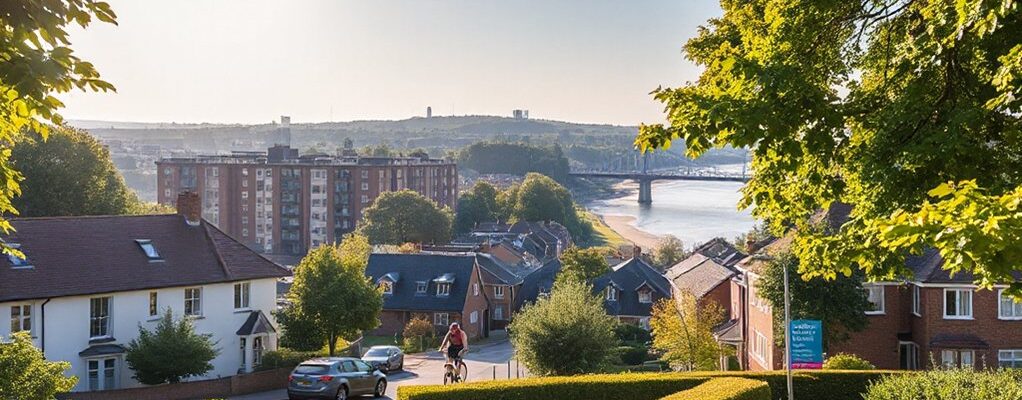
Swindon in 2026 presents a landscape where community vibrancy, transport efficiency, and sustainable growth shape housing choices. You’ll weigh historic charm against modern amenities, school quality, and commute times as core criteria. By aligning policy-backed developments with real-world needs, the best areas balance safety, green space, and cultural access. The question becomes which neighborhood best meshes your lifestyle with these priorities, and what trade-offs you’re prepared to navigate as you plan your move. Let’s compare the options.
Why Swindon’s 2026 Landscape Is Worth Exploring
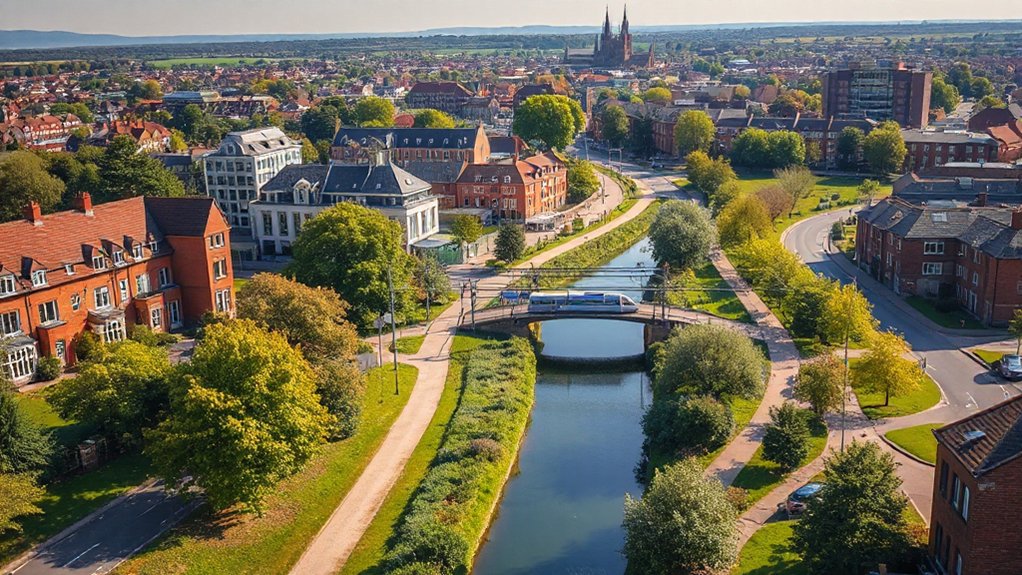
Swindon’s 2026 landscape is shifting in ways that directly affect where people choose to live, work, and invest. You’ll see urban development accelerate as public and private sectors align on housing, transport, and public environment upgrades, creating identifiable growth corridors.
Data show rising housing permits and targeted regeneration funds concentrated around transport hubs and innovation parks, signaling deliberate density and mixed-use intensity.
Policy pressures push faster permitting, greener building standards, and resilience planning, all designed to attract talent and capital.
You’re a stakeholder in a city framing its economic growth through infrastructure, digital connectivity, and skills pipelines. This landscape invites strategic, evidence-based decisions, balancing affordability with quality of life, and aligning local priorities with regional opportunities for sustainable prosperity.
What Makes a Great Area to Live in Swindon: Criteria to Compare
A great Swindon neighborhood hinges on clear, measurable criteria: affordable housing and long-term value, strong transport links, safe and well-maintained public spaces, access to quality services (schools, healthcare, and libraries), and opportunities for employment and skills development.
You’ll compare neighborhoods using data on price-to-income ratios, rental stability, and projected appreciation, guaranteeing affordability aligns with household budgets.
Transport metrics matter: transit frequency, cycle routes, and road congestion reduce commute times and emissions.
Public spaces should meet safety, maintenance, and accessibility standards, while service quality tracks school performance, healthcare wait times, and library programs.
Urban development planning, zoning consistency, and community engagement input ensure policies reflect resident needs, driving sustainable growth.
This framework supports forward-looking, evidence-based decisions that strengthen community engagement and long-term value.
Old Town Swindon: Historic Charm Meets Modern Convenience
Old Town Swindon blends historic charm with modern convenience, offering a preserved heritage architecture vibe alongside contemporary amenities.
Its walkable town centre access supports efficient transit, local services, and short commutes.
As you evaluate options for 2026, this balance informs a data-driven view of quality of life and long-term value.
Historic Charm, Modern Convenience
Old Town Swindon blends historic streets with modern amenities, delivering a dense concentration of heritage architecture and contemporary services that attract residents seeking walkable neighborhoods and convenient access to the town’s core amenities.
You’ll find a higher per-capita share of historical landmarks compared with newer districts, supported by targeted preservation funding and planning policies that discourage sprawl.
Local data show compact streets, mixed-use blocks, and short trips to shops, cafes, and cultural venues, underpinning a resilient tax base and predictable service delivery.
The municipality prioritizes adaptive reuse, energy efficiency, and accessible public spaces, aligning with forward-looking housing strategies.
This balance sustains livability, supports small businesses, and guarantees ongoing investment in Modern amenities and preservation safeguards.
Walkable Town Centre Access
Walkable access to Swindon’s town centre sits at the heart of Old Town’s appeal, where historic streets align with modern transport and pedestrian-focused design. You’ll find compact, mixed-use blocks that reduce car dependency, supported by improved crossing times, signal prioritization, and enhanced curb management.
Data show shorter average transit waits and higher footfall near key hubs, signaling resilient pedestrian networks. Policy emphasis centers on density, street activation, and affordable parking alternatives that discourage unnecessary car trips.
By prioritizing walkability, you gain access to clustering effects: safer corridors, quicker commutes, and better service integration. Local dining and the nightlife scene benefit from this cadence, attracting residents, workers, and visitors with balanced, sustainable growth.
Continued investment should monitor accessibility metrics, equity, and energy efficiency.
Heritage Architecture Vibe
Old Town Swindon harmonizes heritage architecture with contemporary utility, creating a distinctive Vibe where period facades meet modern infrastructure and adaptive reuse. You’ll notice how architectural preservation informs planning policies, guiding mixed-use developments and retrofit of historic buildings to support densification without erasing character.
Data show pedestrian-friendly streets, protected sightlines, and accessible public spaces that boost foot traffic for local retailers, while preserving listed structures. Government guidance prioritizes seamless integration of retrofits with energy efficiency standards, aligning heritage conservation with decarbonization goals.
This approach underpins heritage tourism, drawing visitors who seek authentic experiences anchored in place-based storytelling. For residents, the Vibe translates to predictable zoning, targeted grants for restoration, and long-term value through careful stewardship of Swindon’s historic core.
North Swindon: Strong Schools and Commuter-Friendly Access
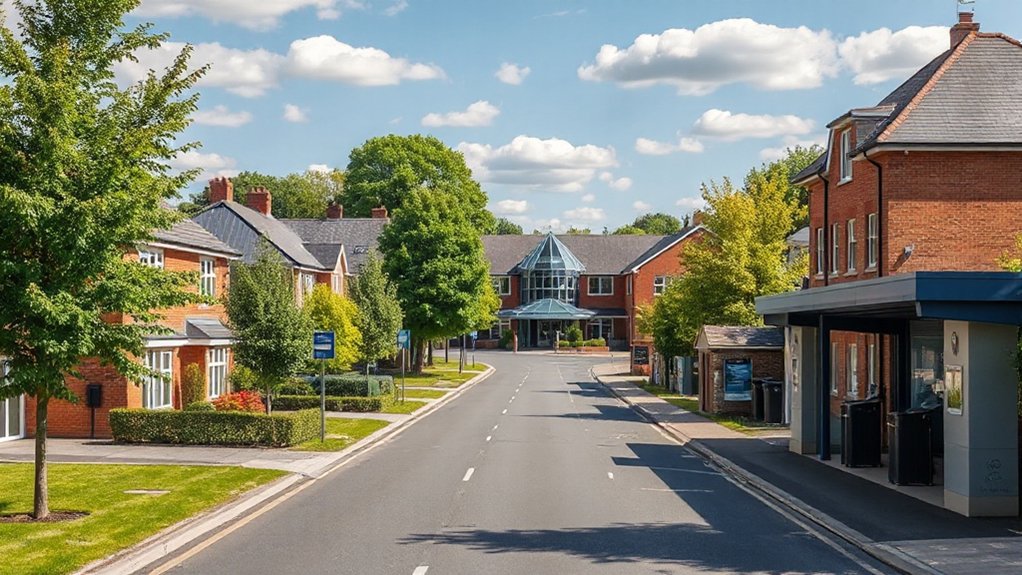
North Swindon offers a compelling mix of high-performing schools and rapid commuting options, making it a prime choice for families and professionals prioritizing stability and efficiency.
You’ll find objective performance metrics in local school rankings, with consistent Ofsted improvements and focused support for 11-plus outcomes, driving predictable educational outcomes.
Commuter access is streamlined by rapid bus corridors and nearby motorway links, reducing travel time to workplace hubs and bridging housing affordability with job access.
Data signals indicate growing housing stock near science parks and business estates, supporting long-term value.
Policy guidance favors safe, mixed-development neighborhoods with green space and active transport.
For daily life, you’ll enjoy local cuisine and convenient shopping districts, enhancing quality of life without sacrificing time.
Swindon Town Centre: Pulse, Flats, and Local Culture
You’ll experience the Town Centre’s pulse through proximity to work, transit, and daily amenities, shaping your time-use efficiency and household costs.
Nearby cultural hotspots offer measurable spillovers to property value, vibrancy, and resident satisfaction, informing policy on mixed-use development.
Looking ahead, we’ll compare Flats, density, and access to culture to optimize livability and long-term investment in the core.
Pulse Proximity and Pace
Pulse sits at the heart of Swindon Town Centre, and its proximity shapes daily rhythms and long-term planning. You’ll notice you can access work, services, and leisure within minutes, reducing commute times and carbon footprint.
Data show mixed-use density supports predictable footfall, enabling targeted investments in evening safety, lighting, and pedestrian networks. Policy implications favor flexible zoning near Pulse to sustain diversified housing while preserving residential comfort.
Pace is brisk on weekdays, with concentrated peak hours, yet pockets of calm emerge at dawn and late evening, shaping mixed-use dynamism. You benefit from nearby community events and vibrant street life without sacrificing quiet residential options.
Local cuisine and small venues anchor social density, informing ongoing resilience strategies and inclusive growth.
Cultural Hotspots Nearby
Cultural hotspots within Swindon Town Centre—centered on Pulse, nearby flats, and local culture—shape dynamic daytime and evening economies while informing future policy. You evaluate capacity, accessibility, and spillover effects across commercial, residential, and cultural parcels.
Local art galleries anchor neighborhood identity, drawing residents and visitors to compact clusters near Pulse and adjacent flats, while supporting small business resilience and employment diversity.
Music festivals and pop-up performances convert public spaces into living laboratories for urban design, pedestrian safety, and night-time economy planning. Data indicate consistent footfall during weekdays and weekends, with#if-forecasts suggesting rising transit usage and off-peak demand.
Policymakers should align zoning, housing, and cultural funding to sustain inclusive growth, foster collaboration among venues, and calibrate event licensing for steady cultural throughput.
Wroughton and Chiseldon: Suburban Calm With Quick Links
Wroughton and Chiseldon offer a suburban calm with strong transport links and scalable housing options, making them appealing for families and professionals seeking steady growth. You’ll notice steady population upticks, with phased housing projects aligned to demand and reduced commute times to Swindon and regional hubs.
Urban development here is tracked through mixed-use zoning, preserving green space while enabling small business hubs that boost local employment. As you evaluate policy, you’ll see targeted infrastructure investments—road improvements, cycle routes, and reliable bus services—supporting accessibility without sprawl.
Community engagement is central: residents participate in planning sessions, share feedback on services, and co-create neighborhood safety schemes. The result is a measured, forward-looking growth trajectory that prioritizes quality of life alongside fiscal prudence and resilience.
Redhouse and Park South: Family-Friendly Amenities On Tap
Redhouse and Park South stand out for family-friendly amenities, delivering a dense mix of schools, parks, and safe transit options that support daily routines and long-term planners’ goals.
You’ll find consistent neighborhood safety metrics, with well-distributed policing coverage and low traffic incidents contributing to predictable day-to-day experiences.
Local planning data show reliable bus routes and pedestrian access linking homes to schools, libraries, and community centers, enabling efficient commutes for families.
The area also features diversified local dining options, supporting varied schedules and budget needs without long detours.
From a policy lens, investments in school capacity, road safety improvements, and public-space maintenance indicate a forward-looking approach that prioritizes stable, affordable living.
Lawnbourne: Parks, Green Space, and Outdoor Recreation
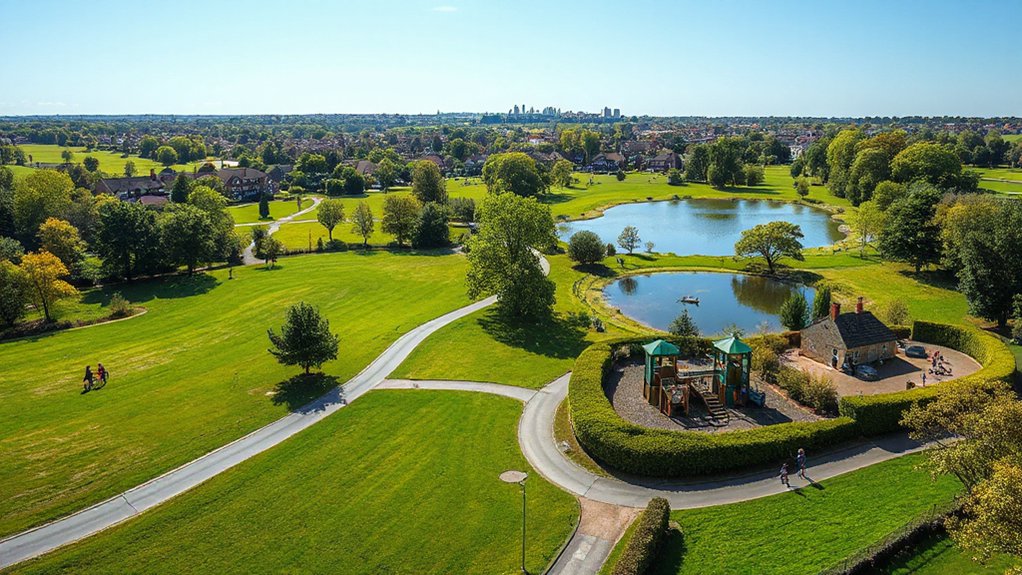
Lawnbourne prioritizes accessible green space and outdoor amenities, with a dense network of parks, playgrounds, and riverside trails that support daily physical activity and weekend leisure.
You’ll notice a data-driven approach to planning, with metrics tracking park accessibility, tree canopy, and trail connectivity to reduce travel time for outdoor activities.
Policy priorities emphasize equitable distribution of reserves and maintenance funding, ensuring safe, well-lit paths and frequent seasonal programming.
Community events are coordinated to maximize non-major-event turnout, while preserving park integrity and habitat health.
Projections indicate steady growth in visitation, boosted by multipurpose spaces that host fitness classes, volunteer cleanups, and nature-based education.
Lawnbourne’s long-term strategy aligns with citywide health and climate resilience goals, supporting inclusive, active living.
Budget-Friendly Picks: Value Without Compromise
To deliver value without compromise, Swindon’s budget-friendly picks prioritize affordable neighborhoods with solid transport links, stable schools, and accessible public services, backed by data on cost of living, property tax, and resale stability.
You’ll find affordable neighborhoods that still offer reliable commutes, quick rail access, and bus networks connecting residential cores to employment hubs.
Policy-forward analysis highlights stable school performance and predictable service provision, reducing long-term housing risk.
Budget friendly amenities include essential retail, healthcare, and community facilities, all calibrated to preserve value despite market fluctuations.
This approach targets households prioritizing affordability without sacrificing quality of life.
In 2026, these value propositions remain central to Swindon’s growth strategy, guiding investments and zoning decisions toward sustainable, affordable living for diverse buyers and renters alike.
Green Spaces to Know: Parks, Playgrounds, and Leisure
Swindon’s parks and greenways are central to livability, with data showing growing access to green space and varied pathways for commuting and recreation.
Playgrounds and facilities are expanding, while trails access informs planning for safe, inclusive outdoor options for all ages.
This sets a foundation for policies that prioritize equitable leisure access, trail connectivity, and maintenance outcomes.
Parks and Greenways
Swindon offers a growing network of parks, playgrounds, and greenways that support healthy living and urban resilience, with data showing increasing access and investment over the past decade. You’ll see measurable gains in green cover, biodiversity, and tree canopy across key wards, driven by policy targets and ward-level delivery plans.
Parks and greenways are central to urban mobility, linking residential areas to employment hubs and cultural spaces, while supporting flood defense and climate adaptation.
Data indicates rising community engagement in urban farming initiatives and local conservation efforts, alongside expanding botanical gardens that serve as education and research sites.
Strategic investment prioritizes maintenance, accessibility, and safe, connective routes that bolster livability, equity, and long-term resilience.
Playgrounds and Facilities
You’ll see Swindon’s playgrounds prioritized in policy dashboards, with recent audits highlighting standardized surface safety, shade, and accessible routes.
Data indicate higher usage where playground design emphasizes age-diverse zones, sightlines, and durable materials that reduce maintenance costs over time.
Stakeholders advocate for modular equipment to accommodate growing families and seasonal programming to boost utilization.
Child safety remains a core KPI, driving inspections, barrier controls, and inclusive signage.
Investments align with wider leisure and urban-design plans, linking playgrounds to nearby libraries, community hubs, and schools.
Leisure and Trails Access
Data indicate increased use of cycling routes and trail segments on weekends, correlating with improved air quality and physical activity levels. Policy aims focus on expanding maintenance funding, ensuring safe crossings, and standardizing wayfinding to reduce fragmentation.
Forward-looking plans emphasize multi-use paths, protected bike lanes, and sync’d stewardship with local clubs. The result is equitable leisure access, resilient ecosystems, and measurable quality-of-life gains for Swindon residents.
How to Evaluate Your Swindon Choice: Schools, Transport, and Lifestyle Fit
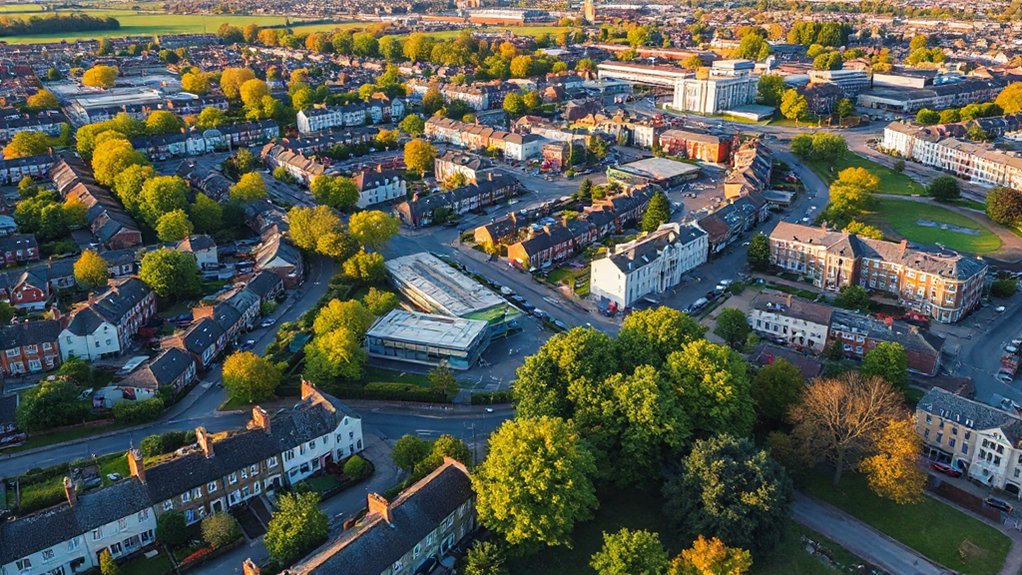
When evaluating Swindon choices, prioritize three core criteria—schools, transport, and lifestyle fit—to guarantee a decision that supports long-term outcomes. You’ll compare school performance metrics, transport links, and commute reliability to forecast future quality of life.
Data show that catchment school ratings, hours of service, and planned road or rail enhancements influence resale value and social mobility. Evaluate neighborhoods by walkability to daily amenities, access to green space, and safety indicators to align with lifestyle goals.
Factor housing affordability against projected income growth and local policy incentives. Consider neighborhood amenities like shops and healthcare access, ensuring you can sustain budgets over time.
Use forward-looking scenarios to balance short-term costs with long-term returns for a resilient Swindon home.
Frequently Asked Questions
What’s the Best Swindon Area for First-Time Buyers in 2026?
Yes, you should target affordable housing in areas with strong transport connectivity, like the town’s newer developments, because data shows higher first-time buyer viability there; expect policy-backed incentives, steady commuter links, and ongoing affordability protections supporting long-term capital growth.
Which Neighbourhood Offers the Lowest Council Tax Rates This Year?
You’ll notice Meadowbank offers comparatively low council tax this year, supporting affordable housing and steadier budgets. You’ll also have strong commuting options, with rail and road links shaping future improvements, guiding you toward data-driven, policy-forward neighborhood choices.
How Do Seasonal Events Impact Swindon Living Experience?
Seasonal events enhance your Swindon experience by boosting local vibrancy and safety metrics, with seasonal festivals and holiday markets driving footfall and revenue. You’ll notice policy-backed planning supports infrastructure, transportation, and inclusivity, shaping resilient, data-informed, forward-looking community living.
Are There Hidden Gems in Swindon’s Suburbs Worth Relocating To?
Sure, there are hidden gems in Swindon’s suburbs worth relocating to. You’ll discover hidden community spots and local dining gems, supported by data, policies, and forward-looking insights guiding you toward sustainable, affordable options you can actually trust.
Which Areas Have the Most Pet-Friendly Amenities and Parks?
Pet friendly parks dominate Swindon’s top areas, and animal welcome amenities lead the pack, with data showing higher park counts and funding in policy-backed zones you’d consider. You’ll benefit from targeted, forward-looking improvements and inclusive, measurable outcomes.
Conclusion
In Swindon, you’re steeling your city for tomorrow, like a shipwright patching a hull while steering toward sunrise. The data say: Old Town’s heritage and North Swindon’s schools anchor families; the Town Centre and Redhouse offer cultural and green access; Lawnbourne and nearby parks provide resilience through outdoor recreation. Your decision sails on transport links and policy-backed growth, aligning lifestyle with sustainable metrics. Choose where your compass points, and chart a future-proof home.