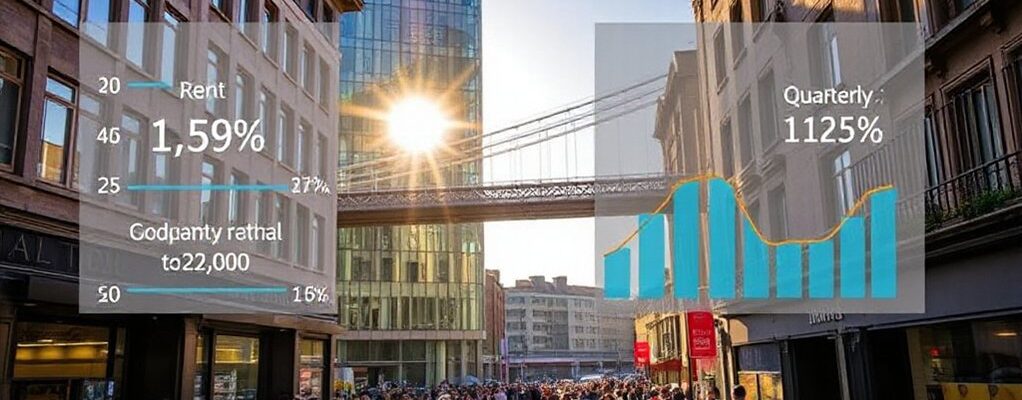
Like a city map that breathes with demand, Newcastle’s rental pattern shows steady growth you can count on. You’ll see city-center rents rising 4–5% annually, with outlying areas pacing about 8% slower each quarter, and peaks tied to university starts in September and January. If you’re considering investment or a move, you’ll want to weigh affordability in Heaton or Fenham against rising transit-linked amenity clustering. There’s more to uncover as trends unfold.
Newcastle’s Rental Market: Quick Snapshot for 2026

Newcastle’s rental market is trending toward steadier prices and modest rent growth in 2026, driven by continued demand from local professionals and students.
You’ll see inventories stabilizing after last year’s fluctuations, with vacancy rates hovering around historical lows for key neighborhoods.
Historical housing prices show gradual, year-over-year gains rather than abrupt spikes, supporting a cautious yet steady rental outlook.
Rents are likely to rise modestly, aligning with income growth and persistent demand from universities and tech employers in the region.
Expect tighter but manageable landlord-tenant dynamics as Rental market regulations normalize, reducing sudden fee changes and improving enforcement.
How Rents in Newcastle City Center Compare This Year
How do rents in Newcastle City Centre stack up this year compared with surrounding neighborhoods? You’ll see a tighter gap between central and fringe areas, with city-center averages rising by about 4–5% year over year, driven by high-demand Luxury apartments and premium corridor amenities.
On a quarter-to-quarter basis, central rents outpace outer districts by roughly 8%, yet new builds in nearby neighborhoods are narrowing that premium as supply expands.
You’ll notice pricing stabilizing around historically strong submarkets tied to Historic architecture and waterfront access, which continue to attract professionals seeking walkable cores.
Expect gradual normalization as households adapt to balanced landlord concessions and longer-tenancy expectations.
Hot Newcastle Neighborhoods for Renters in 2026
As rents trend higher citywide, several Newcastle neighborhoods stand out for 2026 renters seeking value, accessibility, and growth potential. You’ll see strengths in areas with solid transport links, scaled amenities, and redevelopment momentum.
In Heaton and Fenham, affordability persists despite rising demand, supported by ongoing investment in parks and local services, signaling steady rent growth without overheating.
By Gateshead-adjacent teams, city-edge pockets show upside from mixed-use projects that improve daytime footfall and night-time safety.
Cultural neighborhood shifts are evident in pedestrian-oriented streets and small-business clusters that attract diverse renters and contribute to longer tenancies.
Historical housing policies influence density and permit approvals, shaping supply cycles, while targeted improvements in nearby schools bolster desirability for families and long-term stability.
How Student Demand Is Shaping Newcastle Lettings
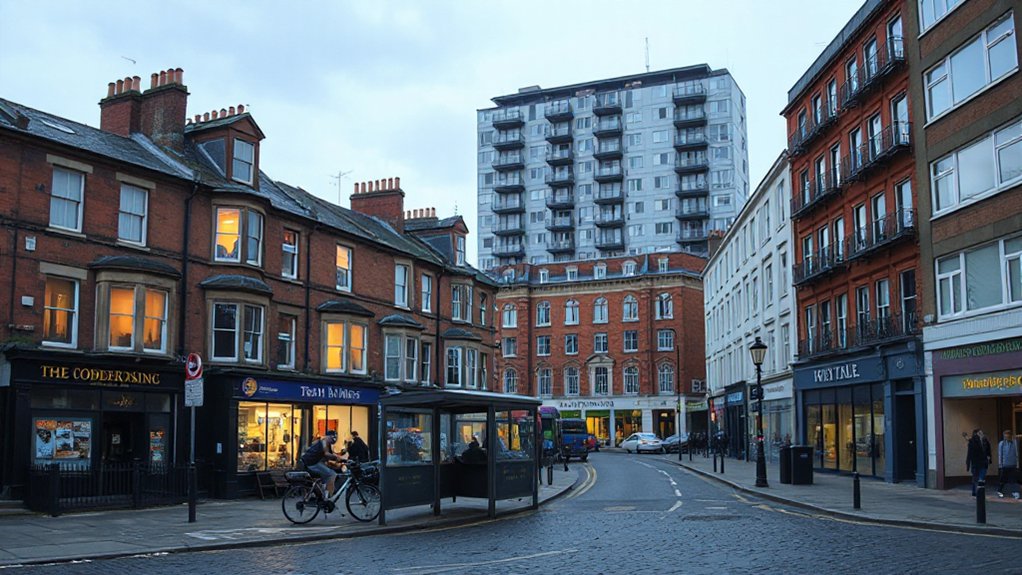
Student demand is driving sharper turnover and smarter pricing across Newcastle lettings, with peak cycles tied to university calendars and accommodation flexibility. You’ll see higher vacancy turnover in September and January, as students enter and graduate, then adjust leases for term-time clusters.
Data shows rental prices compress around fresh term starts, while flexible rents and furnished options attract groups seeking short-notice moves. You’ll benefit from targeted marketing to Student housing cohorts, highlighting proximity to campus, study spaces, and social hubs.
University influence shapes tenancy structures, with shorter lets and mid-year renewals becoming standard practice. By aligning inventories with academic calendars, you reduce void periods and optimize cash flow.
Expect continued demand concentration near campuses, plus premium for verified role-model amenities and reliable maintenance support.
Transport Links That Boost Rental Desirability in Newcastle
Could Newcastle’s transport links be the deciding factor for rental desirability? Yes, and the data backs it up. In central and regenerating districts, residents prioritize quick commutes, reliable schedules, and integrated options.
Public transport usage has risen year over year as bus and metro networks expand service frequency and coverage, reducing average door-to-door times.
Investors note that proximity to transit hubs correlates with higher rent stability and lower vacancy risk, especially near stations like Haymarket and Jesmond.
Forward-looking plans emphasize rapid transit links, improved last-mile connections, and park-and-ride schemes that ease congestion.
Cycling infrastructure also matters: protected lanes, bike parking, and cycle-friendly corridors boost appeal to young professionals and students alike, reinforcing Newcastle’s reputation as a connected, future-ready city.
Property Types Tenants Want Now in Newcastle
Data shows demand rising for pet friendly accommodations, so rental options accommodate dogs and cats without sacrificing common-area quality or safety. In practice, you’ll see more multi-use spaces, such as removable partitions, flexible leases, and built-in storage to reduce clutter.
Locally, tenants prize proximity to transit, parks, and amenities, making mid-rise apartments near amenities highly desirable. You’ll also notice interest in luxury apartment features—high-speed connectivity, premium appliances, sound insulation, and modern lighting—delivering comfort for remote work and social life, while keeping maintenance practical and predictable.
This trend targets longer tenancies and community integration across Newcastle’s evolving neighborhoods.
How Fast Newcastle Properties Rent: Turnover Benchmarks

Turnover in Newcastle properties is tightening as demand sustains momentum across neighborhoods, with many units renting within 15 to 30 days of listing in prime locations. You’ll notice turnover benchmarks pointing to shorter vacancy cycles in central and student-focused wards, while suburban pockets lag slightly but still improve quarter over quarter.
Data shows average days on market compressing to mid-twenties, with premium streams in arterial ports and university corridors driving faster rents and quicker re-lets. For you, Property management systems that automate showings, screenings, and lease pivots matter more than ever, helping you hit targeted turnover windows.
Stay aligned with rental regulations to maintain compliant, predictable cycles. Look ahead to incremental gains as market demand stabilizes and supply adjusts, reducing vacancy risk across Newcastle.
Practical Landlord Tactics to Boost Occupancy and Yield
To boost occupancy and yield in Newcastle, focus on data-driven pricing, targeted marketing, and streamlined tenant experiences that align with local demand peaks in university corridors and central wards.
You’ll optimize rent by leveraging local rental comps, vacancy cycles, and occupancy rates, adjusting offers for short-term students and longer-term professionals alike.
Implement proactive property management routines: rapid maintenance turnarounds, transparent communication, and online portals that simplify payments and document access.
Enhance tenant retention by fostering responsive service, predictable renewal terms, and differentiated incentives for renewals in high-demand blocks.
Align marketing with campus events, commuter patterns, and neighborhood amenities to reduce vacancy risk.
Prioritize compliance, safety audits, and energy efficiency to lower operating costs and boost perceived value for tenants.
This approach strengthens occupancy and yield.
Seasonal Patterns in Newcastle Lettings and What They Mean
Seasonal patterns in Newcastle lettings show distinct peaks and dips linked to the academic calendar, work year rhythms, and local events. Understanding these cycles helps you time marketing and pricing for maximum occupancy.
You can expect higher inquiry volumes in late spring and early autumn, when students and professionals align shifts with lease start dates. Seasonal fluctuations tend to compress during holiday periods, while peaks align with university term starts and major city events.
Data indicates vacancy gaps narrow quickly after September and January releases, suggesting you should front-load pricing and targeted ads before these windows. By tracking local event calendars and housing demand indicators, you’ll forecast demand fluctuations, optimize showings, and protect occupancy through predictable cycles and holiday impact considerations.
The Role of Amenities and Outdoor Space in Newcastle Rentals
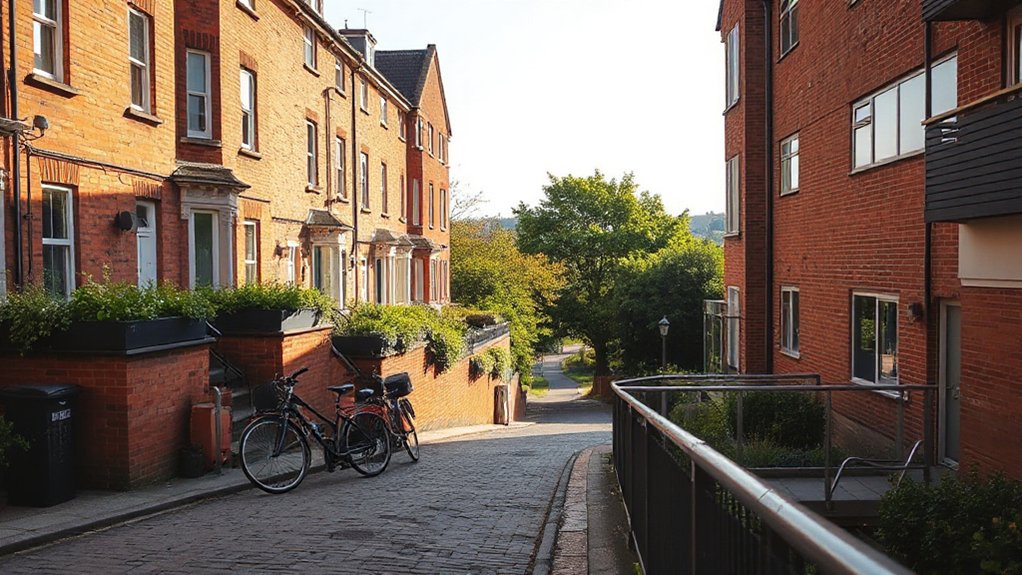
You’ll see that outdoor space value is rising faster in Newcastle than in many peers, with larger balconies and shared gardens commanding premium rents.
Amenity quality matters, as higher-rated facilities correlate with longer tenancies and lower vacancy—especially in city fringe areas.
Access to local parks, including proximity and ease of reach, is a measurable driver of demand at the neighborhood level, guiding future investment and pricing.
Outdoor Space Valuation
Outdoor space can greatly boost Newcastle rentals, because tenants increasingly prioritize accessible courtyards, balconies, and nearby green spaces when choosing a home. In today’s market, we see a clear premium on outdoor space, with data indicating higher rents and faster lease-ups for properties featuring functional balconies and well-tended communal areas.
You’ll notice balcony importance scales with city density, particularly in popular neighborhoods like Jesmond and North Shields, where usable outdoor real estate complements interior square footage. Garden maintenance signals overall property care and can influence long-term tenancy stability.
Investors targeting Newcastle should quantify outdoor amenities as a multi-year value driver, aligning pricing models with observed occupancy trends. Reported maintenance costs, seasonal usability, and proximity to parks further refine valuation and tenant willingness to pay.
Amenity Quality Impact
Amenity quality is a decisive driver in Newcastle rentals, with higher-quality facilities correlating to faster leasing and higher rents across neighborhoods. You’ll notice demand concentrates around properties offering modern gyms, secure entry, and well-designed communal spaces, particularly where perceived maintenance levels exceed city averages.
Data trends show occupancy rising in developments featuring on-site laundry, smart thermostats, and refreshed lobbies, underscoring tenant willingness to pay premium for convenience. In luxury apartments, amenity clustering correlates with longer renewal rates, reducing vacancy cycles during seasonal shifts.
Historic buildings, when paired with thoughtful modernizations, still command strong rental premia, though markets reward careful preservation that preserves character while enabling sustainable upgrades.
Looking ahead, operators that quantify amenity ROI and tailor offerings by district will outpace peers in Newcastle.
Local Park Access
Data show tenants value walkability, with miles of trails and riverside paths supporting longer tenancies and reduced turnover. In upcoming quarters, expect stronger pricing in areas with well-maintained, accessible green buffers and active park programming.
Community engagement initiatives—resident gardens, volunteer park cleanups, and outdoor events—correlate with higher lease renewals and perceived value. Park maintenance quality remains a calculable risk factor; upgrades, safety lighting, and green space restoration yield measurable rent stability and loyalty.
Rental Affordability in Newcastle: What Renters Should Expect
You’ll see how rent burden is shaping choices across Newcastle, with tighter budgets prompting shifts in location and property type.
Local market indicators suggest rents may rise steadily but see pockets of affordability, especially in up-and-coming neighborhoods.
Rent Burden Insights
Rent burden in Newcastle is tightening as rents rise faster than wages, but the picture varies by neighborhood and household type. You’ll notice that overall rent affordability is tightening, yet pockets remain more affordable where new builds and turnover dilute housing costs.
Data show elevated housing affordability stress among single earners and small families, especially in central and outbound corridors with limited supply. In contrast, suburbs with newer stock and higher rental ceilings exhibit modest relief, suggesting targeted affordability improvements are possible.
Forward-looking indicators point to continued pressure if wage growth doesn’t keep pace with rent growth, though policy shifts and development pipelines could ease gaps. You should track neighborhood-level rent trajectories and voucher absorption rates to gauge where relief is most likely.
Local Market Indicators
Newcastle’s rental landscape is tightening on a price-by-price basis, with latest indicators showing rents rising faster than local wage growth and varying by neighborhood. You’ll notice Market stability shifting as occupancy rates steady in central zones while peripheral areas show modest fluctuation.
Local indicators point to tighter supply in popular districts, pressuring affordability even with increasing rental stipulations. You should expect rents to diverge by pocket—higher in university corridors, steadier in suburban belts, and softening only where new stock comes online.
Policy signals, including ongoing rental legislation reforms, aim to balance tenant protections with landlord incentives, potentially stabilizing long-term patterns. Track vacancy duration and renewal rates closely, because these metrics forecast near-term price momentum and the effectiveness of Market stability measures in Newcastle.
Utility Costs and Energy Efficiency in Newcastle Rentals
Concerns around utility costs are rising in Newcastle rentals, and property owners are responding with sharper energy efficiency upgrades. In 2025, average domestic energy consumption in new leases fell by 6% year over year, while retrofit programs targeted heat loss at the fabric level in older stock.
You’ll notice landlords prioritizing double glazing, wall insulation, and efficient boilers to meet tightening energy performance standards. Data from local agents shows a rising share of properties now advertising energy efficiency ratings above C, with higher prompt rent premiums in top-performing districts like Grainger Town and Sandyford.
Expect ongoing incentives for landlords to install smart meters and advanced controls, translating to steadier utility bills for tenants and clearer energy savings projections over the next 12–24 months.
Market Indicators Landlords Should Monitor in Newcastle
Stay ahead by tracking key indicators that signal where Newcastle’s rental market is headed next. As a landlord, you’ll want a tight read on demand shifts, vacancy rates, and turnover times in your area.
Monitoring Historical property values gives you a sense of price momentum and collateral strength, while frequent rent-per-square-foot comparisons reveal district-level pressure points.
Local zoning updates matter for future supply, influencing new-build timelines, conversion potential, and permitted density around your properties.
Track occupancy by property type—central cores vs. fringe neighborhoods—to anticipate cap-rate changes and refinancing windows.
Combine council decisions with market data to forecast risk and opportunity, then adjust rental scopes, amenities, and pricing strategies accordingly.
This proactive approach sharpens resilience amid evolving regulatory and economic dynamics in Newcastle.
Practical Tips for Renters: Securing a Good Deal in Newcastle
To secure a good deal in Newcastle, start by timing your inquiry to align with seasonal dips in demand and recent vacancy data.
Budget smartly for rent by benchmarking local averages and factoring utilities, then keep your monthly costs below the city’s trendline.
When negotiating lease terms, lean on data-driven points—length of tenancy incentives, renewal rates, and upfront payments—to strengthen your position for a fairer deal.
Timing Your Inquiry
Target mid-month lulls for viewings and offers, then move quickly if you find a fair fit. Track rental regulations and any seasonal policy changes that could affect deposits or notice periods, so you’re prepared for negotiations.
Prepare a concise evidence packet: recent comparable rents, tenancy terms, and utility expectations. When you’re ready, request a lease renewal discussion early to lock favorable terms before demand rebounds.
Timely inquiries boost your leverage and shorten vacancy risk.
Budgeting For Rent
Track utility tiers—electricity, gas, water, and council tax—since they vary by property type and occupancy. Use week-by-week price signals from letting agents to adjust your budget as markets shift.
Build a simple forecast showing rent, utilities, and incidentals for 12 months, highlighting months with expected spikes. Prioritize opportunities in lower-cost areas with solid transport links to reduce overall spend.
Practice clear budget planning now to improve rent affordability and resilience against rental market fluctuations.
Negotiating Lease Terms
Start with a rental market snapshot: compare three neighborhoods you’re considering, note current vacancy rates, and identify properties offering move-in perks or reduced deposits. When discussing lease negotiations, present documented comps and a preferred move-in date to anchor the conversation.
Seek rental agreements that include renewal price caps, maintenance responsibilities, and utility allocations. Don’t rush; request written proposals and compare terms side by side.
Prioritize favorable clauses on rent review frequency and notice periods, and secure flexibility for the first six months.
Practical Tips for Landlords: Maximizing Yield in Newcastle
To maximize yield in Newcastle, focus on optimizing rent and occupancy through data-driven pricing, proactive maintenance, and strong tenant sourcing.
You’ll harness local market data, lease expiry cycles, and vacancy gaps to set competitive rents that still protect margins. Prioritize rapid, transparent landlord responsibilities communication to reduce turnover and screening friction.
Implement a proactive property maintenance plan, scheduling quarterly inspections and prioritizing urgent repairs to preserve asset value and tenant satisfaction.
Leverage local demand signals from Newcastle neighborhoods, tailoring listings to features that matter here, like transport links and sustainable energy upgrades.
Streamline renewals with clear incentives and flexible lease terms when appropriate.
Maintain compliance, accuracy, and documentation to support tenancy outcomes and minimize vacancy risk.
This approach sustains occupancy, enhances yield, and builds landlord credibility.
12-Month Outlook: Trends to Watch in Newcastle Lettings
You’ll want to watch Rent Growth Signals and how they align with seasonal shifts in Newcastle lettings.
Early indicators suggest demand is tightening in key neighborhoods, even as unit vacancy nudges lower.
Looking ahead, we expect modest rent gains coupled with stronger tenant competition in parts of the city, guiding your strategy this month.
Rent Growth Signals
In Newcastle’s rental market, rent growth signals are tightening as regional demand shifts and supply adjusts, suggesting modest but sustained increases ahead. You’ll notice market fluctuations beneath the surface, with annualized gains easing into a steadier pace as new stock comes online and occupancy rises.
Local data points show rents incrementing in core neighborhoods by around 2% to 3% year over year, while peripheral areas hover near inflation-neutral levels. We expect continued but measured rent growth supported by limited new-build completions and continued tenant turnover at a steady clip.
Watch for rental inflation easing slightly in mid-year if construction accelerates, yet remaining above pre-pandemic norms in high-demand corridors. Overall, forecasts point to gradual acceleration, not abrupt spikes, shaping prudent leasing strategies.
Tenant Demand Shifts
Tenant demand in Newcastle Lettings is shifting as demographics, salaries, and commuting patterns steer where renters look most. You’ll notice stronger demand near university campuses and transit hubs, with tenants prioritizing access to facilities and green spaces.
Data shows rising interest in properties offering flexible layouts, work-from-home space, and reliable connectivity, especially among young professionals and students.
Demand drivers include increasing average wages in the region, improved job diversification, and ongoing regeneration projects that widen catchment areas.
You’ll also see sustained appetite for sustainable, energy-efficient homes with modern appliances.
Vacancy rates compress in central pockets while suburban pockets experience slower turnover.
Tenant preferences are leaning toward shorter lease flexibility and turn-key readiness.
Monitor annual shifts in migration within Tyne and Wear to anticipate rental-pressure changes.
Frequently Asked Questions
What Factors Most Affect Newcastle Rental Price Growth in 2026?
Factors most affect Newcastle rental price growth in 2026 include wage growth, student demand, and transport improvements, with housing supply and policy shaping rental affordability and property investment prospects across neighborhoods. You’ll see data-driven, localized projections guiding decisions.
How Do Lease Lengths Impact Vacancy Rates in Newcastle?
Locking in longer lease durations tends to curb Vacancy fluctuations, you’ll see steadier occupancy as tenants stay longer and turnover slows. In Newcastle, data suggests shorter rents adapt faster; longer terms stabilize supply and reduce vacancy-driven price swings.
Are There Emerging Rental Hotspots Outside City Center?
You’ll find emerging rental hotspots outside the city center amid suburban expansion and transportation improvements, with data showing steady demand, price upticks, and faster commutes, suggesting sustainable growth as neighborhoods on periphery attract longer-term tenants.
What Impact Do Student Lettings Have on Overall Market Supply?
Student housing tightens overall supply, but you’ll see pockets of relief as new builds hit the market; if demand grows, market saturation rises, yet targeted student blocks could stabilize rents and sustain local investment in Newcastle.
How Do Utility Costs Influence Tenant Demand in Newcastle?
Utility affordability underpins demand; you’ll observe shifting tenant preferences toward energy-efficient options as costs climb. You’ll see Newcastle data show rising interest in fixed-rate plans, insulation, and smart meters, guiding your decisions about future lettings and pricing.
Conclusion
You’ll find Newcastle’s rental landscape quietly elevating, with city-center rents nudging upward while suburbs like Heaton and Fenham stay comparatively accessible. The data foreshadows steady demand cycles—especially as term starts loom—yet vacancy remains stable. If you’re a renter, stay nimble and compare amenities against price; if you’re a landlord, optimize yield through transit-adjacent upgrades and flexible leases. In short, the trendline is favorable, but informed choices will keep you ahead.
One comment on “Rental Market Trends in Newcastle Upon Tyne”
[…] this roadmap is not merely a matter of legal compliance; it is essential for navigating the new realities of the rental market. This article breaks down the roadmap for 2026, providing a detailed guide to the phased changes, […]