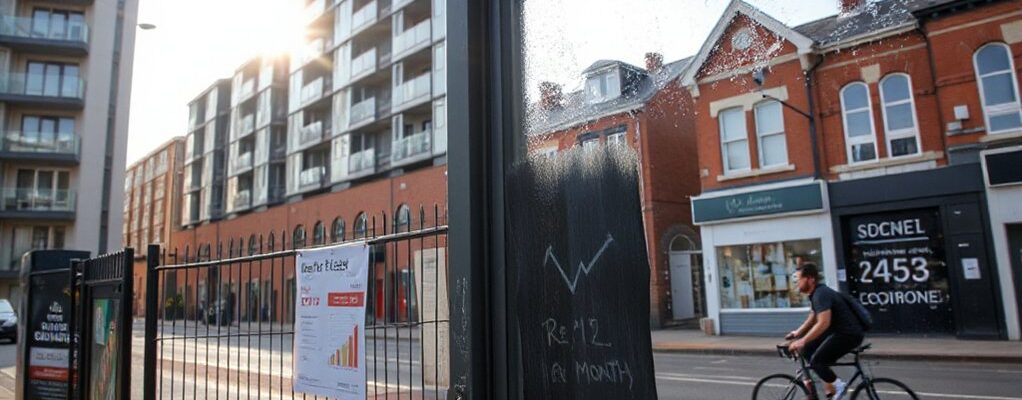
You’ll find Belfast’s rental market tilting upward as demand outpaces supply, with city-center options and transit links leading the way. Rents are edging higher year over year, though gains vary by area—prime zones show resilience, outer districts rise more slowly. With job growth, universities, and limited new stock, vacancy stays tight. If you’re weighing options, a measured plan now could pay off as prices trend higher over the next 12 months.
Belfast Rents Be Affordable? A 2026 Snapshot

Rents in Belfast remain under pressure, but the picture is nuanced. You’ll see a mixed affordability signal across neighborhoods, with slower year-on-year growth in prime areas and steadier gains in peripheral zones.
Data point to a modest gap between income growth and rents, aided by new supply and targeted incentives. However, pockets of volatility persist, particularly where single-family stock or high-demand corridors converge.
You should track median rents, vacancy rates, and time-to-lease to gauge affordability shifts month to month.
In parallel, guard against rental scams by verifying listings, demanding formal contracts, and using secure payment channels.
Knowing your tenant rights helps you negotiate security deposits and repair obligations, while staying prepared for lease changes or rent reviews in the year ahead.
What’s Driving Belfast Rent Trends Right Now
You’re seeing rent trends driven by rising demand from tenants and investors alike, with new supply completing and pricing for newer or renovated units shaping the pace.
Market momentum factors—such as job growth, university activity, and regional economic signals—suggest ongoing pressure or potential pauses as supply catches up.
Looking ahead, we’ll quantify how these demand dynamics and momentum shifts forecast price trajectories and vacancy changes in Belfast.
Demand Drivers Now
Demand for Belfast rentals is shaped by a tight housing supply, rising student and professional inflows, and shifting preferences toward urban cores and amenable commuting. You’ll see demand rising where transit links are solid and financing remains accessible, sustaining occupancy gains even as new builds come online.
Historical trends show cyclical peaks tied to university calendars and tech-sector hiring, with rent growth intensifying during shortlisting periods for furnished stock.
Rental regulations influence landlord behavior, guiding lease terms and inspection standards while shaping supply quality and turnover. Data indicate stronger pricing power in central neighborhoods and near campuses, moderated by seasonal pauses and policy tweaks.
Looking ahead, expect steady demand as migration patterns and remote-work flexibility keep Belfast attractive for renters seeking efficiency, access, and amenities.
Market Momentum Factors
Market momentum in Belfast is being driven by tight housing supply, persistent inflows of students and professionals, and ongoing shifts toward urban living with reliable transit and work options.
You’ll see rent growth fueled by limited units relative to demand, especially near universities and employment hubs. Data show vacancy rates stay tight, price momentum persists, and new-built stock can’t immediately satisfy seasonal demand.
Regulatory changes in rental policies influence expectations, with landlords adjusting terms in response to compliance costs and enforcement clarity. Tenant rights remain a focal point, shaping negotiation dynamics and lease structuring.
Forward indicators point to sustained pressure on rents as migration patterns and remote-work viability keep urban clusters attractive. In the near term, developers, policymakers, and tenants will wrestle over balance, access, and stability.
How Belfast Rents Have Changed Over the Past Year
Over the past year, Belfast rents have climbed modestly as demand for city-center and university-adjacent housing remained resilient, even as seasonality and new-build openings tempered rapid spikes. You’ll notice year-over-year price growth was steadier in prime areas, while outer zones saw smaller gains, reflecting selective demand and supply absorption.
Rents edged up most where transport links support commuting to campuses and tech hubs, with quarterly data showing incremental increases rather than volatility. Forecasts imply continued gradual rises as vacancies stay tight and employment remains solid, though policy levers could modulate momentum.
Rental regulations and tenant rights are shaping negotiations, encouraging transparent pricing and longer-term tenancies. You should monitor disclosure practices and rent caps as safeguards against abrupt shifts in the coming quarters.
Top Belfast Neighborhoods in Demand Right Now
You’ll notice which neighborhoods are topping demand charts and why, with current hotspots anchoring rental activity.
The data points show steady interest in areas with strong transport links, amenities, and sustained price momentum.
Prospects look favorable for neighborhoods aligning with affordability, accessibility, and liveability as demand tightens.
Popular Neighborhood Demand
The neighborhoods in Belfast that are currently in highest demand show a clear pattern: proximity to city amenities, strong transport links, and growing local investment are driving faster rental turnover and tighter vacancy rates.
In the near term, you’ll notice demand concentrated around central and metro-accessible zones, with tenants prioritizing walkability and shorter commute times.
Historical pricing reveals steady, modest upticks as supply tightens, while price dispersion narrows in top districts.
Rental regulations continue to shape choices, with clearer guidance on tenancy terms and renewal expectations affecting month-to-month decisions.
You should expect continued demand resilience in preferred areas, even as new developments emerge.
Monitoring quarterly shifts will help you align rentals, pricing, and lease structures to evolving buyer and renter expectations.
Current Belfast Hotspots
Demand is concentrated in Belfast’s central and metro-accessible neighborhoods, where strong transport links and walkability drive quicker tenant turnover and higher demand now. You’ll see current hotspots centered on the Cathedral Quarter, Belfast City Centre, and South Belfast corridors, where vacancy rates dip and rents trend upward month over month.
Data shows steady inflows from university districts and tech hubs, with renters prioritizing proximity to employment clusters and transit reliability. Historical comparisons reveal sharper price acceleration in these zones during Q4 last year, though rent regulation efforts are tempering volatility.
Expect continued demand growth as regeneration projects finish and new listings optimize price-to-value ratios. Stay alert for policy shifts, as Rental regulations could influence occupancy rates and concessions offered by landlords.
Rents Across Belfast Corridors: City Centre to Shoreline
Across Belfast, rents show clearer directional movement from the City Centre toward the shoreline, driven by proximity to amenities, transport links, and new developments. In this corridor view, you’ll notice higher rent growth near major transit hubs and waterfront districts, with a steadier climb as you approach revitalized harboursides.
Historical rent fluctuations appear more pronounced earlier in the century, but current data signals moderated increases aligned with supply additions and improved tenant services.
You’ll also see pockets of stability where amenities like parks, schools, and cultural venues anchor pricing. Tenant satisfaction metrics correlate with flexibility in lease terms and responsive property management, reinforcing continued demand along the corridor.
Forecasts indicate sustained momentum, with measured gains as projects mature and vacancy rates normalize.
Can Typical Belfast Incomes Cover Rent? Affordability by Salary

You’ll see how typical Belfast salaries stack up against current rents, highlighting any income-to-rent gaps that matter for households.
We’ll baseline affordability by salary, not just headline rent, to map where gaps persist and where policies or market shifts could improve balance.
Looking ahead, the data will guide targeted implications for renters, landlords, and policymakers.
Income vs Rent Gap
In Belfast, typical incomes struggle to keep pace with rental costs, creating a noticeable affordability gap for many households. You’ll see a persistent income disparity reflected in month-to-month housing outlays that exceed a comfortable share of take-home pay.
Data point: median rents often press against 30% to 40% of typical earnings, signaling tighter budgets and reduced disposable income.
Forward-looking trends suggest rent affordability will hinge on wage growth, housing supply, and policy responses that target more affordable units in core neighborhoods. If incomes rise alongside building activity, the gap narrows; if rents slide or lag behind, the gap widens.
You should monitor quarterly rent changes relative to income benchmarks to gauge ongoing market stress and track potential relief.
Salary-Based Affordability
You’ll find that median earnings in Belfast have grown steadily, but rental growth has outpaced wage gains in recent quarters, narrowing affordability windows.
Our data show a rising share of income required for rent, especially in high-demand neighborhoods, signaling tighter budgets for many households.
Looking forward, affordability will hinge on wage momentum, landlord market dynamics, and policy shifts.
Rental regulations and tenant rights frameworks influence how costs are passed to renters and how protections evolve during market swings.
Policymaker and practitioner collaboration can preserve access while sustaining investment in housing supply and quality.
Continuous monitoring will clarify trajectory and impact.
Who’s Renting in Belfast and Why: Tenant Demographics

Across Belfast, renters span students, young professionals, families, and migrant workers, reflecting a city that blends education, industry, and culture. You’ll notice distinct demographic segments driving demand: students seeking affordable, compact homes near campuses; professionals prioritizing commuting efficiency and modern amenities; families needing larger layouts in stable neighborhoods; and migrant workers pursuing cost-effective options with clear safety standards.
Data show steady rental turnover as graduates shift to work, while new arrivals boost demand for shared housing and flexible leases. Tenant preferences lean toward proximity to transit, reliable internet, and utility inclusions, shaping unit configurations.
Rental regulations influence lease terms, deposit norms, and compliance requirements, guiding landlord-tenant interactions. Going forward, expect segmentation to intensify, with product tailoring by size, location, and affordability.
Belfast Supply Dynamics: Available Units and Conversions
You’ll see how available units are shifting, with occupancy pressures shaping what stays on the market.
Conversions are expanding or constraining supply, depending on planning rules and developer activity.
We’ll track these dynamics to forecast short- and mid-term availability and pricing trends.
Available Units Trends
Available units in Belfast show a tightening supply in recent quarters, as new conversions lag demand and vacancy rates drift lower. You’ll see occupancy metrics tighten across core districts, with landlords reporting quicker lease turnovers and modest rent presages.
Data indicates monthly inflows of available stock plateauing, while inflow-to-occupancy gaps shrink, signaling a slower replenishment cycle. Forward projections point to continued pressure on entry-level segments and selective premium segments, unless new supply accelerates.
To preserve market quality, property maintenance emerges as a critical differentiator in listing attractiveness and retention. You should prioritize timely repairs and documented upkeep to reduce vacancy duration.
Tightening dynamics elevate the importance of tenant screening, emphasizing income verification, rental history, and risk flags to sustain steady cash flow.
Conversions Impacted Supply
Conversions are reshaping Belfast’s supply dynamics by diverting housing stock from traditional rentals into owner-occupied, short-term, or large-scale conversion projects. You’ll see indications in historic architecture evolving from single-family and brownstone portions to mixed-use and multi-unit dwellings, changing the available units metric.
Data show a rising share of properties reclassified as HMO or short-let, reducing standard rental stock while increasing temporarily available inventory through permits and planning approvals. Rental regulations are tightening in some zones, affecting conversion timelines and compliance costs, but investment remains robust where returns are forecastable.
Forward-looking indicators suggest continued pressure on new-build availability, with developers prioritizing convert-to-rental efficiency and phased completions. You’ll want to monitor planning activity, occupancy rates, and regulatory updates to anticipate shifts in Belfast’s market supply.
How Seasonal Shifts Affect Belfast Rents
Seasonal shifts shape Belfast rents in predictable ways: demand tightens in spring and early summer as students and professionals relocate, then eases during late summer and winter. You’ll see higher inquiry volumes and modest price upticks during peak rental seasonality, driven by graduates, interns, and year-end relocations.
Data indicate seasonal fluctuations push occupancy rates up in spring, with landlords prioritizing longer leases to lock in stable cash flow. By mid-summer, vacancy rises slightly as moves taper, tempering price growth.
Into autumn and winter, demand softens, creating opportunities for negotiation on rents and move-in dates. Expect landlords to adjust terms, offer incentives, or extend leases to maintain occupancy.
Forward-looking indicators suggest stabilization once school terms reset, with margins narrowing for seasonal entrants and steadier pricing thereafter.
What Features Drive Higher Belfast Rents
Higher rents in Belfast tend to cluster around homes with strong fundamentals: location proximity to universities or business hubs, modern interiors, and high-quality amenities. You’ll see price lift when properties offer luxury amenities like high-speed connectivity, secure access, and gym or concierge services, signaling ongoing maintenance and premium living standards.
Data shows premium rents concentrate in areas with walkable cores, proximity to transit, and dense employment clusters, driving tenant willingness to pay for convenience. Historic buildings can command higher rents when upgraded without losing character, provided sympathetic restoration and modern systems ensure efficiency.
In the near term, developers signaling value through durable materials, tasteful finishes, and smart home integrations tend to outperform peers. Expect continued rent growth where supply aligns with strong demand drivers and well-maintained heritage appeal.
Landlord Perspectives: Factors That Increase Offerings and Prices

Landlords boost offerings and prices when they align capital with clear, data-backed demand signals. You’ll see more listings when you emphasize market gaps, such as neighborhood growth, school quality, and transit access, backed by rental yield data and occupancy trends.
Price discipline follows demonstrated willingness to pay, not just aspiration. Property taxes factor into capex plans, influencing how upgrades translate to higher rents and shorter vacancy periods.
You’ll optimize portfolios by pairing modernized units with efficient management practices, reducing turnover costs and extending tenant tenure.
Tenant rights awareness shapes future-ready leases, balancing profitability with compliance and reputation.
In Belfast, proactive portfolio diversification, real-time market monitoring, and transparent communication position you to capture rising demand while maintaining regulatory alignment.
Navigating Fees and Deposits in Belfast Rentals
Managing fees and deposits in Belfast rentals requires a clear view of what tenants can expect and how landlords justify costs. You’ll see that deposit policies typically align with property value and risk, often equivalent to one month’s rent, with stipulations for preservation against damages.
Fee structures vary by agent and property type, but common charges include application fees, referencing, and administration. Data show that transparency improves trust: landlords detailing exactly what’s refundable and under what conditions reduces disputes.
Look for written breakdowns showing non-refundable versus refundable portions and the timeline for return. Stay attentive to lease clauses on wear and tear, pet-related charges, and early-termination penalties.
In a tightening market, expected improvements include standardized disclosures and clearer cost caps to help you compare options quickly.
Budgeting Belfast: A Practical Rent Calculator and Scenarios
Money tightens as rents rise, so you’ll want a clear calculator that maps monthly costs beyond rent—utilities, council tax, insurance, and potential fees—so you can compare options side by side and forecast six to twelve months ahead.
In budgeting Belfast, you’ll input rent, utilities, and city-specific charges to see total monthly outlays.
A practical model highlights historical fluctuations, showing which periods stress affordability and when discounts appear because of seasonal demand.
Compare scenarios: baseline market rent, small utility usage shifts, and anticipated council tax bands.
Include potential fees and incidental costs to stress-test your plan.
Track Rental regulations changes that affect deposits or landlord duties, then adjust your projections to keep your six-to-twelve month outlook accurate and actionable.
Lease Terms to Watch: Short vs Long Term in Belfast

Short-term leases in Belfast offer flexibility for tenants facing shifting work patterns or uncertain plans, but they often come with higher monthly rents and fewer protections than long-term agreements.
In the data, you’ll see shorter rental durations correlated with premium rates and more frequent renewals. Lease flexibility can help you adapt to job changes, relocations, or seasonal needs, yet you may trade stability for price volatility.
Conversely, longer rental durations typically deliver lower effective rents and stronger landlord protections, enhancing predictability for budgeting.
An informed choice weighs upfront costs, renewal risks, and notice periods. If you expect plans to solidify within a year, short-term terms might suit you; if you anticipate continuity, lock in a longer duration to stabilize costs and terms.
Stay data-driven as you compare offers.
Tips to Score Better Belfast Rents in a Competitive Market
In Belfast’s competitive rental market, you can tilt the odds in your favor by anchoring your strategy to data and timing. You’ll win by acting on timely signals: track weekly price shifts, vacancy rates, and listing velocity to identify windows when rents soften or competition dips.
Prioritize properties with transparent pricing and recent comparable sales in your area to benchmark offers without overpaying. Strengthen your position with a concise, data-backed inquiry that requests recent maintenance records and utility costs, boosting trust.
Be proactive about viewing at off-peak hours to avoid bidding wars. Avoid rental scams by sticking to verified platforms and never paying upfront before a lease.
Check pet policies early; negotiate clear terms if you own a pet.
Expert Predictions: Where Belfast Rents Are Headed
Analysts expect Belfast rents to edge higher over the next 12 months, supported by steady demand and limited new supply. You’ll see gradual increases driven by occupancy rates remaining tight and couple-friendly units staying in demand.
Our projections rely on leasing velocity, vacancy trends, and seasonality patterns observed in recent quarters. Expect rents to respond to modest inflation in operating costs, with landlords adjusting after regulatory and tax shifts stabilize.
Rental regulations may temper abrupt spikes, while property taxes influence capex decisions and unit quality upgrades. You’ll notice differential effects by area: central and commuter belts tightest, suburban markets more price-sensitive yet resilient.
If policy signals tighten, rent growth could slow, but fundamentals still point to cautious, sustained elevation rather than abrupt shifts.
Frequently Asked Questions
How Does Belfast Rent Compare to Other UK Cities?
You’ll find Belfast rents are generally more affordable than London or Manchester, but remain competitive with many UK peers, reflecting ongoing Rental affordability shifts and Market demand that point to steadier, slower price growth ahead.
Are There Hidden Fees Beyond Upfront Deposits?
Yes, there can be hidden costs beyond upfront deposits. You should review deposit policies and tenancy agreements closely; hidden costs vary. You’ll want transparent deposit policies and data-driven estimates to avoid surprises in total housing costs.
What’s the Typical Notice Period for Tenancy Terminations?
Typically, notice periods in tenancy agreements vary, but you usually get 1 month for standard tenancies and longer for fixed terms or specific clauses; always check your notice requirements and any break options in your contract, tenancy agreements.
Do Furnished Rentals Command Higher Monthly Rates?
Furnished apartments typically command higher rental premiums. You’ll see this reflected in monthly rates, with premiums averaging around 10–20% depending on location and amenities. You’ll benefit from convenience, but expect higher upfront and ongoing costs.
How Reliable Are Rent Increase Expectations in Belfast?
Rent increase expectations in Belfast are moderately reliable, but you should watch Rent control policies and landlord negotiations closely. You’ll see a cautious, data-driven trajectory, with adjustments penciled in by year-end and renegotiations influencing volatility.
Conclusion
You’ve seen the trend: rents inch upward, led by city centers and well-connected zones, with demand staying firm. Over the next year, expect gradual rises as operating costs climb and supply remains tight. If you’re renting in Belfast, prioritize locations near transit, negotiate leases, and lock in terms that hedge against inflation. Ready to plan your budget and move strategically? The data says proactive planning today can pay off tomorrow.