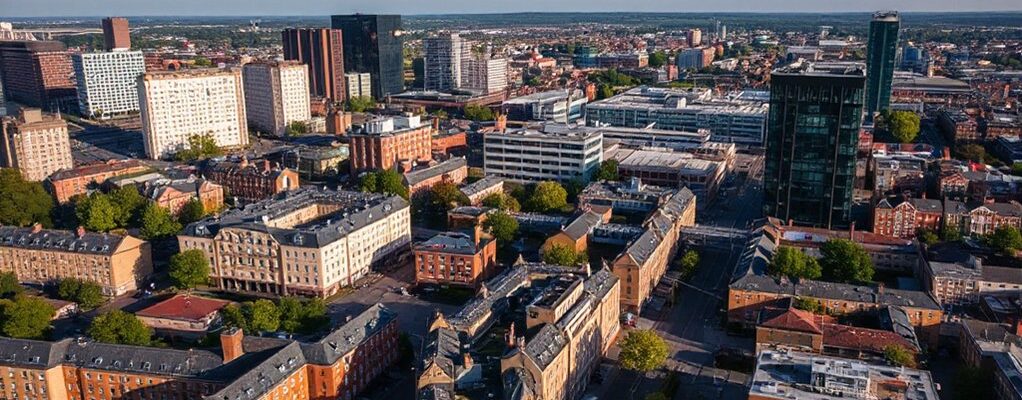
You’re steering a Leeds rental market that’s steady, selective, and increasingly value-driven. Demand centers around students, young professionals, and households seeking flexible living, with core districts near universities and transport hubs posting faster leases and higher rents for modern, energy-efficient units. As infrastructure and regeneration boost appeal, incentives shift toward quality and amenities, while policies push transparency and safety. The question now: how will you position your properties to capture this evolving balance of speed, location, and value?
Leeds Rental Market 2026: What’s Driving Demand

The Leeds rental market in 2026 is driven by a mix of sustained demand from graduates and young professionals, tight supply, and households prioritizing flexible living arrangements.
You’ll see demand concentrated in core campuses and business hubs, with a steady flow of new entrants entering the private rental sector.
Property investment remains a key engine, channeling capital into purpose-built units and refurbished stock that boost quality and predictability for tenants and landlords alike.
Rental regulations continue tightening, pushing transparency on pricing, deposits, and tenancy terms, while safeguarding affordability.
You’ll notice landlords prioritizing longer tenancies and professional property management to reduce turnover costs.
In aggregate, indicators point to stable occupancy, modest rent growth, and improved market efficiency through standardized practices and clearer compliance targets.
How Fast Do Leeds Rentals Lease? Speed by Area
Leeds rentals move quickly, but speed varies by area. In the core districts, you’ll see listings convert in 12 to 24 days on average, while outer zones trend closer to 30 to 40 days.
Demand accelerates when properties offer modern Rental decor and flexible lease duration options, especially near transport links and universities.
Tenant turnover is highest in areas with newer stock and competitive pricing, which compresses underwriting timelines for landlords and speeds showings to final offers.
By contrast, older stock or atypical layouts lengthen average lease cycles, even if rents are attractive.
Looking ahead, areas investing in turnkey interiors and clear asset frameworks should maintain faster pipelines, reducing vacancy risk and stabilizing rental yields across Leeds.
City Centre vs Suburbs: Where Renters Want to Live in Leeds
City Centre attracts higher rents and tighter supply, while suburbs offer space and value. Your mix of choices will shape Leeds’s rental dynamics over the next few years.
Data shows strong city centre demand coexisting with growing suburban appeal as affordability shifts and transport links improve.
Expect renters to weigh proximity to work and amenities against cost and space, driving a continued city-suburb trade-off.
City Centre Appeal
If you’re weighing where to rent in Leeds, the city centre’s appeal comes down to proximity, amenities, and turnover, with rents rising where demand tightens and vacancies shrink.
Data shows faster lease cycles and higher goodwill in central districts, driven by walkability, transit access, and a dense concentration of services.
Historical architecture blends with modern builds, creating a varied stock that attracts young professionals and students alike.
Cultural festivals and nightlife clusters reinforce turnover spikes in peak seasons, while year-round demand remains robust for compact, well-connected units.
Forecasts indicate continued strength in central rents as new developments add supply without eroding desirability.
If you value convenience and ongoing activity, city centre living remains the most resilient option in Leeds.
Suburban Living Preference
Suburban living is gaining traction as renters seek more space, lower rents, and quieter street scenes while still staying within easy reach of central amenities.
In Leeds, data shows a clear shift toward suburb belts with steady demand for gardens and outdoor space. Year over year, rents in outer wards rise moderately, while vacancy rates tighten in city cores, reinforcing suburban appeal for families and remote workers.
You’ll notice a premium placed on garden maintenance expectations and practical layouts that accommodate home offices. Pet-friendly policies influence choice, with suburbs offering larger properties and ease of access to parks.
Looking ahead, developers are likely to emphasize low-maintenance gardens, integrated green spaces, and clear pet policies to capture this growing segment.
Suburban demand appears durable through 2026.
Job Growth in Leeds and Its Rent Implications
Job growth in Leeds is accelerating, and that momentum is shaping rental demand. You’ll see more firms expanding in tech, finance, and professional services, lifting local income and attracting a broader renter pool.
Data indicate vacancies tighten in central and growing outlying hubs, with occupancy rising faster than supply in the past year. As employment climbs, you’ll notice steadier household formation and longer tenancies, influencing lease renewal cycles and housing choices.
Developers respond with mixed-use schemes, but delivery lags demand, pressuring rents in core neighborhoods. Policy conversations around rent control surface as a consideration for stabilizing affordability, while market signals encourage proactive planning and longer-term leases from renters seeking price certainty.
Expect continued sensitivity to wage growth, corporate relocations, and infrastructure upgrades driving moves across Leeds.
Student Housing in Leeds: What’s Changing This Year
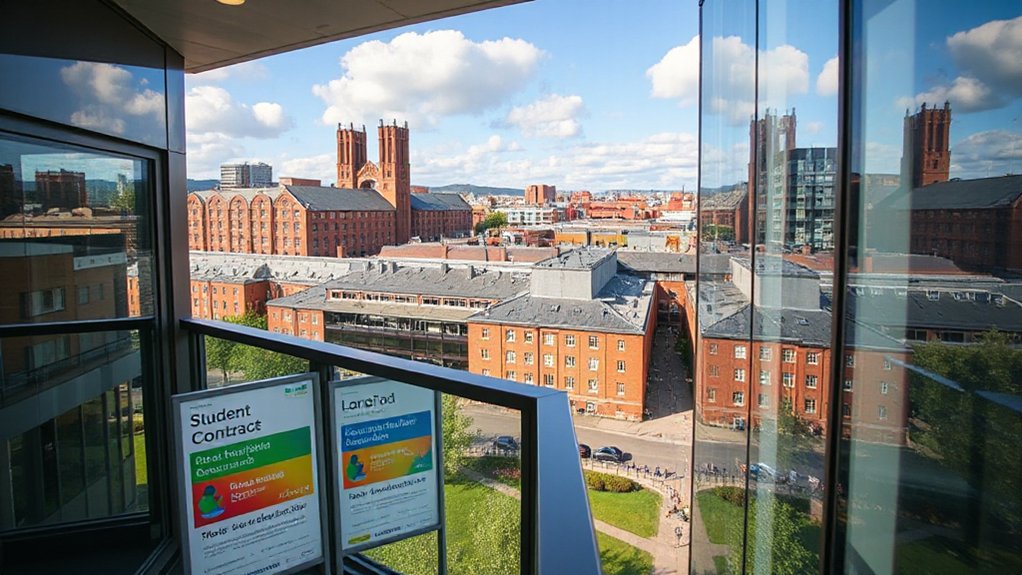
Student housing in Leeds is evolving this year as demand shifts with new student intakes and cost pressures. You’ll see tighter vacancy rates around core campuses, with landlords prioritizing longer lease terms to stabilize income.
Average weekly rents are edging up modestly, yet discounted bundles and short-term deals appeal to international cohorts timing their arrivals. Leeds amenities influence choices; properties near study spaces, libraries, and affordable dining options outperform distant equivalents.
Demand signals rise for purpose-built student accommodation that offers social spaces, high-speed internet, and security features, aligning with hybrid study patterns.
You’ll benefit from clearer price bands by area, with central zones commanding premium but offering shorter commutes. Expect continued investment in energy efficiency to trim costs and attract value-conscious renters.
How Transport Links Shape Leeds Rentals and Access
Transport links are a core driver of Leeds rental value and accessibility, shaping where tenants want to live and what they’re willing to pay. In our data, areas with rapid public transport access command premium rents and higher occupancy, while proximity to hubs correlates with faster lease cycles.
You’ll see rising demand around tram corridors, major rail stations, and bus rapid transit routes, reflecting time savings and reliability. Accessibility improvements, such as upgraded stations, dedicated cycle lanes, and feeder services, consistently translate to price resilience even as overall market conditions shift.
Looking ahead, expect further valuation differentials as new lines activate and service frequencies rise. You benefit from targeting neighborhoods with clear transit upgrades, balanced with local amenity access and walkable cores.
Leeds Rent Affordability: By Neighborhood
You’ll see how Neighborhood Rent Levels shape overall affordability at a city scale, with pockets of high spend and more affordable corners.
By Area, affordability varies as price growth outpaces or lags wages, highlighting where households gain or lose purchasing power.
We’ll compare Price Growth Variances across neighborhoods to identify trends and target policy or investment gaps.
Neighborhood Rent Levels
Across Leeds, neighborhood rent levels vary considerably, with central and student-dense areas commanding higher prices while outer districts remain relatively affordable. You’ll see this reflected in year-over-year shifts: higher-capital locations push average rents up, while corridor neighborhoods near universities absorb demand with steadier growth.
Historical trends show spikes tied to academic calendars and landlord turnover, then stabilization as new stock enters the market. By next year, expect modest upticks in central wards driven by continued amenity upgrades and improved transport links.
Rental regulations influence pace and ceiling effects, limiting steep increases in protected zones while allowing targeted inflows elsewhere. Data-driven monitoring will be essential to anticipate pressure points, inform investment timing, and guide lease strategy across neighborhoods with divergent demand profiles.
Affordability by Area
In this section, you’ll see how rent affordability shifts across pockets of the city, driven by proximity to universities, transport links, and local amenities. Data shows two distinct trajectories: core areas exhibit elevated rent affordability challenges despite strong demand, while outer neighborhoods maintain more favorable price-to-value ratios and longer-term prospects.
You can expect continued improvement in affordable housing initiatives and targeted incentives that ease entry for renters in slower markets. Short- to medium-term projections suggest stable occupancy with selective price moderation in saturated zones.
Price Growth Variances
Price growth varies markedly by Leeds neighborhood, underscoring how location drives rent trajectories. You’ll see distinct patterns across districts as market fluctuations push rents higher in tech hubs and university corridors, while more residential peripheries lag.
In central neighborhoods, price growth outpaces city averages, reflecting dense demand and limited supply, with monthly indicators showing steadier trajectory despite seasonal dips.
Suburban pockets exhibit slower acceleration, offering relative affordability even as overall costs rise.
Price disparities widen between high- and mid-demand zones, underscoring the importance of targeted strategies for renters and landlords.
Looking ahead, you can expect continued divergence driven by employment density, amenity access, and transport links.
Staying informed on neighborhood-specific data will help you navigate risk and identify opportunities in a shifting market.
New Developments and Their Impact on Leases in Leeds

New developments in Leeds are reshaping lease dynamics, with ongoing projects driving new supply and higher-quality options that attract a broader mix of tenants. You’ll notice demand shifting toward modern, energy-efficient units and flexible leases as developers integrate smart-home tech and amenity-rich schemes.
Data show rising occupancy rates in newly completed blocks, while rent trajectories for these properties outpace older stock, yet still remain competitive in overall market comparisons.
Historical trends indicate a cyclical uplift following large-scale launches, followed by stabilization as supply matures. In Leeds, projected delivery pipelines suggest continued pressure on rents, but with improved quality and inclusivity across price bands.
You should monitor market comparisons by submarket to anticipate tenant preferences, capex needs, and lease-renewal timelines.
Occupancy by Type: Studios, 1-Beds, and Family Homes in Leeds
Occupancy by property type in Leeds reveals distinct patterns across studios, 1-bedroom units, and family homes, with demand concentrated in compact and flexible layouts. You’ll notice studios and 1-beds lead in central districts, driven by affordability and mobility.
Meanwhile, family homes cluster on the outskirts where space and schools matter more. Vacancy rates tighten fastest for luxury apartments, signaling premium segments gaining traction as construction completes and amenity packages evolve.
Renovation trends influence occupancy, as updated interiors attract short- and mid-term tenants seeking modern comfort without long-term commitments.
Looking ahead, demand is likely to polarize further: compact, adaptable units in core areas and larger family-friendly homes tied to improving transport links. Data suggests developers should balance high-end finishes with durable, scalable layouts to sustain occupancy.
Landlord Insights: What Demand Means for Yields in Leeds
Demand trends and yields in Leeds are tightening as occupancy remains resilient across property types, signaling steadier cash flow for landlords.
With market signals pointing to modest rent growth and improving occupancy, you can expect yields to compress slightly but stay attractive relative to peers.
Look ahead to data-driven updates on demand drivers—employment, student demand, and new supply—to gauge future profitability.
Demand and Yields
What does current demand mean for yields in Leeds? You’re seeing demand stabilize at higher occupancy than a year ago, with occupancy rates nudging toward 95% in core areas. That steadiness supports modest rent growth, translating into improved yields for selective properties.
Market saturation shows pockets where competition keeps gross yields closer to 4–5%, while well-positioned assets in sought-after streets push toward 6% or higher after fees.
You should expect rental incentives to be used strategically, not broadly, helping fill vacancies quickly without eroding long-term value. Look for landlords who align pricing with target demographics and leverage data-driven marketing.
In short, current demand favors calibrated pricing, timely renewals, and asset stewardship that sustains reliable, forward-looking returns.
Leeds Market Signals
Data indicates robust tenant turnover in central and university-adjacent areas, while peripheral zones exhibit slower but stable absorption. Yields hinge on attrition risk and maintenance efficiency; tighten lease terms, optimize renewals, and leverage digital marketing to reduce vacancy days.
In parallel, landlord strategies should emphasize value-add updates that reflect local preferences, including design touches that nod to Leeds art and the city’s evolving local cuisine scene. Look for price realism, diversified portfolios, and proactive risk management as core signals for durable performance.
Drivers of Rent Growth in Leeds: Regions and Segments
Across regions and segments, rent growth in Leeds is being propelled by a mix of supply constraints, shifting employer demand, and changing tenant priorities. You’ll see regional variances driven by job clusters near the city core and rising activity in outer districts, where new developments tighten available stock.
Segments tied to student and professional housing exhibit faster momentum, while family-friendly markets show steadier but slower gains. Data indicate occupier turnover remains high, sustaining rental competition and price resilience.
Leeds heritage elements, like preserved historic streets, and local festivals, remain magnets for demand in specific blocks, reinforcing price support in those pockets.
Forward indicators point to continued tightening demand-supply balance through next year, with larger units moderating price pressure in oversupplied zones.
Lease Trends in 2026: What to Expect in Leeds
You’ll see 2026 from a rental lens, with vacancy dynamics in Leeds shaping early supply signals.
Projected rent growth and tenant demand shifts point to tighter markets in core areas, tempered by new supply and regional nuances.
We’ll map how these factors interact to set lease terms, renewal rates, and time-on-market across Leeds.
Leeds Vacancy Dynamics 2026
What’ll the 2026 vacancy dynamics look like in Leeds, given tight rents, new supply, and shifting demand? You’ll see vacancy rates stabilize due to steady new builds offsetting demand.
Expect a modest uptick in short-term voids around seasonal turnover, then rapid absorption as occupiers reposition portfolios. Data point: supply additions align with pre-letting cycles, reducing time-on-market for vacancies beyond typical seasonal spikes.
You’ll notice tenant turnover concentrating in core districts, while fringe areas offer better value and quicker uptake.
Market resilience hinges on price discipline; landlords avoid aggressive reductions, maintaining rent integrity while benefiting from longer tenancy terms.
Leeds nightlife and local festivals drive demand pockets that compress vacancy during event periods, then normalize.
Rent Growth Projections Leeds
Rent growth in Leeds is set to tighten as the supply pipeline meets steady demand, with rents advancing at a controlled pace rather than accelerating aggressively. You’ll see projections reflect a modest uptick in annual rent indices through 2026, driven by new completions and stabilized occupancy.
Data signals a balanced trajectory: rent growth converges with regional inflation, avoiding sharp bursts seen in hotter markets. Luxury apartments contribute a measurable portion of new supply, tempering overall rate pressures as high-end units enter the mix.
Short term leases remain a segment with selective demand, supporting higher turnover yet preserving occupancy discipline in core corridors. By mid-2026, expect headline rents to inch up modestly, supported by diversified housing stock, durable wage growth, and ongoing demand from established neighborhoods.
Tenant Demand Shifts 2026
How will tenant demand evolve in 2026 as Leeds shifts toward a more balanced rental cycle? You’ll see demand become more selective, driven by improved affordability and clearer expectations around tenant satisfaction.
Data indicates rising stability in occupancy rates as landlords align pricing with local performance, reducing extreme rent spikes.
In growth corridors, demand may outpace supply, prompting longer renewal horizons and focused marketing to high-quality properties.
Across the city, tenants expect transparent lease negotiations, faster response times, and predictable maintenance support, influencing choice beyond price alone.
Landlords who document performance metrics and offer flexible lease terms will attract durable tenancies.
Student Letting Agencies and Uni Partnerships in Leeds
Student letting agencies and university partnerships in Leeds are expanding to streamline housing options for students, with data showing rising demand for managed student accommodations near campus and in key transport corridors.
You’ll see a growing footprint of on-campus partners and private operators offering standardized leases, flexible durations, and all-inclusive rents.
Market data indicates occupancy rates in university hubs exceeding 95% during term starts, driven by predictable move-in timelines and proximity to faculties.
Partnership programs are accelerating, aligning academic calendars with housing supply and campus shuttle routes, reducing commute times for daily class attendance.
You benefit from clearer eligibility criteria, centralized maintenance, and student-centric service levels.
Forward-looking projections suggest continued diversification of inventory, enhanced safety standards, and measurable improvements in tenant retention within Student accommodation networks.
Regeneration Projects in Leeds That Move the Market
Leeds is reshaping its economic backbone through high-impact regeneration projects that are altering property demand and investor confidence. You’ll see regeneration initiatives accelerating mixed-use development, transport upgrades, and housing supply in key districts, driving tighter yields for investors and steadier rental growth for landlords.
Data indicates ongoing urban development is translating into shorter vacancy periods, higher rent benchmarks, and diversified demand from professionals and students relocating to accessible cores. Infrastructure enhancements, including station upgrades and green corridors, are expanding catchment areas and improving asset liquidity.
You can expect faster planning approvals and clearer public-private collaboration signals, all contributing to a more resilient market. In short, regeneration initiatives and urban development are sharpening Leeds’s rental advantage and market velocity.
Seasonal Demand in Leeds: Peak Periods Across the Year

Seasonal demand in Leeds follows a clear annual rhythm: peaks align with returning students and the academic calendar, plus traditional vacation and visa cycles that pull in professionals and interns. You’ll notice pronounced seasonal fluctuations driven by term dates, with enrollment surges in autumn and recruitment pockets in spring.
Occupancy fills earlier in September and January, then eases during off-peak months, creating predictable, albeit nuanced, demand cycles. Data show renting activity concentrates around university sessions, conference periods, and internship seasons, while relocation waves respond to visa timelines and housing supply adjustments.
Weather influence also plays a role: milder winters sustain steady turnover, whereas severe winters dampen move activity and compress leasing windows. Anticipate tighter summer moves as students vacation, demanding proactive sourcing and flexible lease options.
Renter Must-Haves: Features Landlords Should Offer in Leeds
To attract and retain tenants in Leeds, landlords should prioritize a core set of must-have features backed by data on renter preferences and market trends. You’ll drive desirability by reliable property maintenance, rapid repairs, and proactive upkeep that minimizes downtime and enhances reviews.
Clear tenant communication is essential, with transparent leasing terms, predictable processes, and timely updates on maintenance or safety concerns.
Modern conveniences matter, including energy efficiency, smart thermostats, and high-speed connectivity, which appeal to professionals and students alike.
Flexible lease options and secure online payments boost satisfaction and renewal odds.
Prioritizing safety features, such as updated locks and carbon monoxide detectors, complements long-term occupancy.
In short, combine dependable maintenance with responsive communication to meet Leeds renters’ expectations and sustain occupancy.
Leeds Rental Policy Updates: Rules Shaping the Market
Recent policy changes are reshaping compliance requirements, penalties, and reporting timelines for landlords in Leeds. You’ll see clearer enforcement signals and cost implications as these rules tighten.
Making data-driven steps essential for staying ahead. Look for measurable impacts on occupancy, renewals, and operating margins as the market adapts to new standards.
Recent Policy Changes
Policy changes are reshaping Leeds rental rules, and landlords, tenants, and agents should adapt quickly as new standards take effect. You’ll see tighter enforcement on safety standards, higher transparency around rent levels, and clearer timelines for property upgrades.
Data indicate a rising share of tenancies governed by updated rental regulations, with compliance driving shorter vacancy cycles and steadier income streams for responsible owners. Local authorities are standardizing inspection cadences, while tools for tracking energy efficiency and decarbonization disclosures become mandatory.
For tenants, you’ll gain clearer benchmarks on fair charges and service expectations. For developers, this signals a continuing push toward affordable housing without compromising quality.
Compliance and Penalties
Recent data show a steady rise in quarterly inspections and targeted audits across rental properties, with compliance regulations expanding to cover energy efficiency, safety standards, and tenancy documentation.
Penalty enforcement is escalating, reflecting a shift from warnings to fines and license suspensions where gaps persist.
You should anticipate standardized reporting requirements, faster notice cycles, and explicit consequences tied to non-compliant practices.
Forward-looking indicators suggest tighter registration oversight and more rigorous verification of mandatory disclosures.
Align operations now with evolving criteria to minimize exposure and sustain compliant, market-ready housing supply.
Impact on Landlords
What’ll the Leeds rental landscape look like for you as a landlord as policies tighten? You’ll face tighter regulation, with compliance costs rising and oversight sharper, pushing operating margins to focus on efficiency.
Vacancy rates remain a key margin driver, so you’ll want precise tenant screening and targeted marketing to minimize downtime between tenancies.
Data indicates shorter renewal windows and higher turnover costs in stricter regimes, making proactive maintenance and predictable rent cycles essential.
Rent control chatter signals potential price pressure; you should model scenarios and set flexible pricing strategies that meet legal caps while preserving yield.
Embrace transparent reporting, energy-efficiency upgrades, and digital lease management to reduce administrative frictions.
In short, adaptability and data-driven decisions will define success under evolving rules.
Practical Playbook for Landlords and Agents: Getting Ahead in Leeds
If you want to stay ahead in Leeds, start with a tight, data-driven playbook that translates market signals into actionable steps for landlords and agents. You’ll prioritize rental yield metrics, vacancy rates, and time-to-let trends to forecast demand shifts.
Segment properties by price band and location, then tailor marketing and product upgrades accordingly. Implement dynamic pricing informed by occupancy data and local school catchments, transport links, and employer activity.
For property features, emphasize Luxury amenities where demand shows premium appetite, and establish clear, compliant Pet policies to widen eligible tenant pools without compromising property care.
Streamline tenant screening, automate renewal workflows, and monitor compliance dashboards weekly.
Stay agile: test, measure, and adjust incentives, leases, and service levels to sustain occupancy and cash flow.
Frequently Asked Questions
How Has Leeds’ Tenant Turnover Changed Recently?
Your tenant turnover has declined recently, signaling stronger tenant retention. You’ll likely see improved stability as rental affordability pressures ease slightly, supporting longer tenancies. This trend supports proactive management, budgeting, and forecasting for steady occupancy and revenue growth.
Which Lease Lengths Are Most Common Now?
Most common lease lengths today are 12 months or shorter renewals. You’ll notice increasing flexibility, enabling shorter commitments. This shift supports lease flexibility and rental affordability, signaling steadier occupancy and predictable revenue while you plan for future housing needs.
Do Rental Deposits Vary by Area in Leeds?
Deposit variations do exist, and they’re area specific rentals. You’ll notice higher deposits in central zones and pricier neighborhoods, while outer districts typically show lower amounts, guiding your budgeting and expectations with data-driven projections.
What Credit Checks Are Most Common in Leeds?
Like a snapshot from a satellite, you’ll mostly see credit check types focusing on credit score, income verification, and eviction history. You assess tenant screening processes, prioritizing affordability, consistency, and compliance for a data-driven, forward-looking view.
How Do Utility Costs Impact Leeds Rents?
Utility costs influence rents in Leeds by shaping affordability; higher bills push rents up, while energy-efficient homes command premium. You’ll see landlords invest in efficiency, and tenants prioritise Energy efficiency and Utility affordability in decision-making and budgeting.
Conclusion
Here’s the bottom line: Leeds’ rental market is poised for steady, data-driven growth, driven by student demand, job expansion, and vibrant regeneration. Rents will rise gradually as tenants seek higher-quality, amenity-rich units, especially near hubs. If you’re a landlord or agent, lean into energy efficiency, transparency, and flexible leases. Objection: “Prices will explode.” Instead, expect controlled increases supported by strong occupancy and ongoing infrastructure, keeping rental yields resilient and market fundamentals solid.