
You step under the glow of Cheltenham’s streetlights and sense the market humming with steady occupancy. You’ll find tight vacancies, modest turnover, and demand clustered near universities, transit hubs, and amenities, all supported by limited new housing. Yields stay stable, but affordability pressures bite for entry-level tenants. As submarkets diverge and seasonal shifts bite, you’ll want to weigh strategies that protect occupancy and cash flow—and the next move could hinge on choosing the right targets.
What’s Driving Cheltenham’s Rental Demand Today

Cheltenham’s rental demand is driven by a mix of strong job access, limited housing supply, and shifting demographics. You’ll see that access to transportation and nearby employment hubs keeps occupancy high, while supply constraints push rents and reduce turnover.
In student-centered neighborhoods, student housing consistently absorbs units during term cycles, stabilizing local rents even as other sectors soften. Short term rentals add a flexible demand layer, nudging price signals upward during peak tourism or events, though they’re episodic and geographically concentrated.
Demographic shifts—young professionals, carers, and graduates—favor compact, amenity-rich dwellings with digital connectivity.
When you model demand, weigh these factors against seasonal patterns and policy constraints, since regulatory changes can recalibrate appetite for high-density or purpose-built options.
Cheltenham Rental Supply in 2026: Vacancies, New Builds, and Turnover
Vacancies in Cheltenham are tightening as 2026 unfolds, with occupancy hovering near peak levels amid constrained new supply. You’ll see limited new-build completions offsetting demand from returning renters, keeping vacancy rates at historically low levels for the market.
Turnover remains modest but elevated relative to pre-pandemic norms, as households reconfigure and short-term leases convert to longer tenancies.
Net absorption signals a tight market, supported by steady renter demand from local employers and university-related housing needs.
Rental price fluctuations creep upward in pockets of high-demand corridors, while stock additions mainly enter via conversions rather than greenfield builds.
For property management, you should prioritize lease renewal analytics, proactive maintenance, and targeted tenant outreach to sustain occupancy and control churn costs amid this tighter supply environment.
Rents, Yields, and Affordability in Cheltenham: What the Numbers Say
Rents in Cheltenham are edging higher as demand tightens and stock remains constrained, though growth is uneven across neighborhoods. You’ll see rental price fluctuations driven by neighborhood mix, with central pockets outperforming outskirts in annual comparisons.
Yields have softened slightly where prices surged, yet solid gross returns persist where rents align with local demand and property condition. Affordability metrics suggest income-to-rent ratios remain stretched for entry buyers, while professional and corporate renters sustain steady occupancy in strengthened micro-markets.
When evaluating, focus on cash-flow sensitivity to vacancy risk and maintenance costs, not just headline rent. Your property investment strategies should prioritize neighborhoods with resilient demand, audited rent histories, and efficient management.
Use trend data, occupancy duration, and capex needs to forecast hold periods and interim rent adjustments.
Who’s Renting Cheltenham: And Why It Matters for Tenants and Landlords
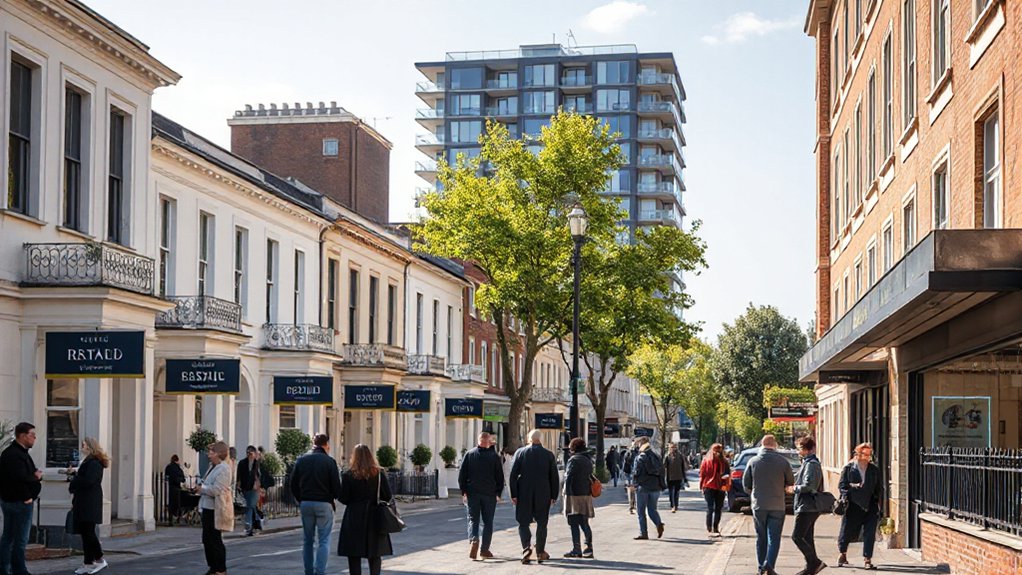
Demand for Cheltenham rentals is shaping who lives there and why it matters for tenants and landlords: professionals, students, and families cluster in areas with strong transit links, school catchments, and amenity access.
While corporate relocations push demand for well-maintained, management-ready stock. You’ll see distinct renter profiles influence value, turnover, and investment risk.
Tenant preferences skew toward flexible lease terms, parking, and modern, energy-efficient homes near services, affecting vacancy duration and rent resilience.
Landlord strategies must align with demographic shifts, targeting properties that minimize maintenance costs while maximizing appeal through curb appeal and smart upgrades.
Data shows concentration near rail corridors and universities correlates with higher renewal rates and price stability, guiding portfolio decisions and risk management for you as a landlord or prospective tenant.
Navigating Cheltenham’s Market in 2026: A Practical Guide for Tenants and Landlords
Cheltenham’s 2026 market blends ongoing demand trends with post-pandemic normalization, so tenants and landlords should start by quantifying local vacancy signals, rent trajectories, and turnover patterns across transit hubs, schools, and amenities.
You’ll compare luxury apartments versus standard units, prioritizing vacancy duration, lease renewal rates, and price rigidity across Cheltenham’s core districts. Track rental yields and time-to-let to forecast cash flow and risk exposure for portfolios containing Student housing and premium properties.
Assess submarket variation, noting shifts near universities, hospital corridors, and retail concentrations. Use this data to set transparent lease terms, appropriate security deposits, and renewal incentives.
Develop a contingency plan for seasonal demand fluctuations, ensuring responsiveness to price signals without sacrificing occupancy.
Frequently Asked Questions
How Do Seasonal Trends Affect Cheltenham Rental Rates?
Seasonal trends push rents up during peak tourist and student intake periods, and you’ll feel Holiday fluctuations spike demand while Student housing dominates leases between terms; you’ll notice price corrections afterward as occupancy stabilizes and market activity cools.
What Impact Will Major Employers Have on Future Demand?
Major employers will boost demand through workforce relocation and corporate expansion, you’ll see steady occupancy gains as talent relocates to Cheltenham; data shows concentration in tech and services, with spillovers driving intermediate rental growth and tighter supply.
Which Neighborhoods Offer the Best Value for Renters?
You’ll find affordable neighborhoods offering solid value, while luxury rentals cluster in premium corridors; don’t ignore hidden gems where recent data shows lower price-per-square-foot, higher vacancy dips, and growing amenity access, aligning with your budget and lifestyle goals.
How Are Alternative Housing Options Shaping the Market?
Alternative housing options are reshaping the market: you’ll see higher occupancy in shared accommodations and steady demand for tiny homes, driven by price sensitivity and flexibility, with data showing shorter leases and regional variance in availability.
What Policy Changes Could Influence Rents and Supply?
Policy changes could curb volatility: you should expect rent control policies and targeted zoning regulation to influence rents and supply, potentially slowing rises while expanding affordable units, yet risking reduced new-build incentives if over-cautious or poorly designed.
Conclusion
You’ve seen the pattern: demand stays hot, supply tight, and rents inch up. Think of Cheltenham as a chessboard where students, professionals, and families control key squares near transit and amenities. The data says stability in yields, tempered by affordability pressures and seasonal shifts. Move with precision—optimize occupancy, wield selective investments, and align leases to submarket nuances. In this market, resilience comes from proactive, evidence-based decisions that anticipate change—like a quiet lighthouse amid busy tides.