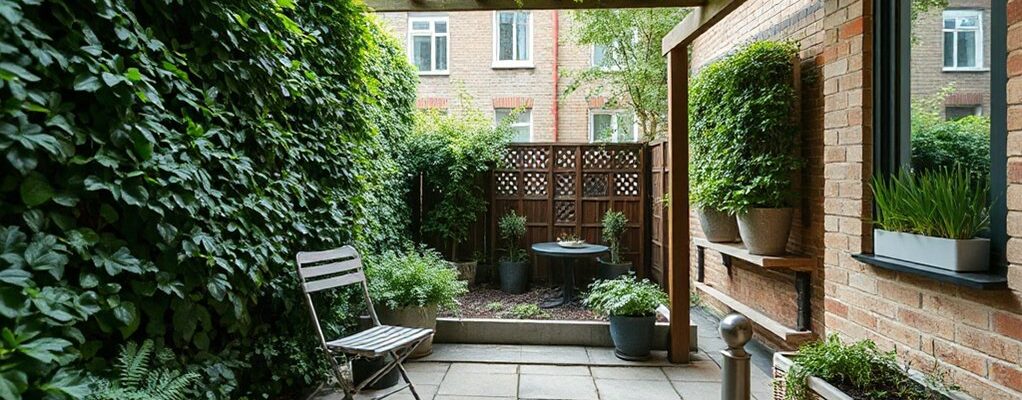
Your London balcony is EVRYTHING you’ll ever need—if you squeeze a little genius into every inch. Start with smart layering, vertical greens, and compact furniture that runs double duty. You’ll craft a courtyard that feels larger, year-round, and quietly luxurious. But there’s more to it than looks: the right plan, budget tricks, and low-maintenance tech will keep your tiny space vibrant without the endless upkeep. Curious how to pull it off?
Measure, Budget, and Prioritize Your London Balcony
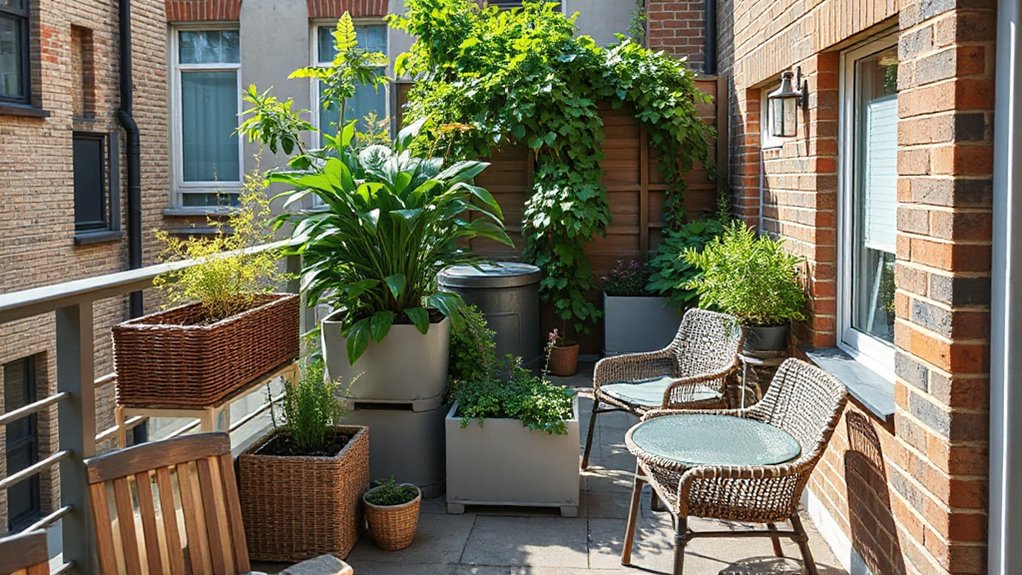
Before you buy a thing, measure your balcony: length, width, and any odd corners, railings, or drainage runs that could crack the plan. You’ll set a clear baseline, then map a lean budget that keeps essentials frontline.
Prioritize items that transform function into form, like vertical planters or foldable seating, so you gain square footage without crowding the air. Think in layers: base resilience, then charming décor, finally practical touches that last.
Keep a running list of must-haves versus nice-to-haves, and assign costs to each. Garden décor should feel tactile, inviting touch and texture, while pest control stays discreet and effective.
Choose units that store cleanly, resist weather, and align with your weathered London vibe. Your balcony becomes a controlled, stylish retreat you actually use.
Plan Your Mini Oasis: Step-by-Step Square Footage, Light, and Layout
Ready your mini oasis with a crisp blueprint: map out square footage, note how you’ll use every inch, and plan light to sculpt mood. Think about the layout as a stage for textures—greenery, furniture, and color—so each piece earns its place.
We’ll start here, shaping the flow and focal points to fit your London space with calm, tactile polish.
Mini Oasis Blueprint
A mini oasis can transform a tight London plot into a living green retreat, so map it out in precise steps: square footage, light, and layout. You’ll measure a compact footprint, then zone for three zones: seating, planting, and service.
Prioritize south or west-facing light; group sun-loving herbs and blooms where they’ll catch max rays, and tuck shade-tolerant greens in the cooler nook. Keep paths narrow for a tactile stroll, using timber or gravel that invites you to pause.
Consider micro-conditions, like wind breaks and reflected heat, to sustain color year-round. Urban wildlife visits reward smart plant choices, while garden pests prompt compact, breathable containers and resilient varieties.
Finish with a simple, scalable layout you can expand without crowding.
Light, Layout, Square Footage
How will you map your mini oasis to fit a tiny London plot? Start with square footage first, then layer in intention. Measure every inch; narrow plots benefit from vertical ideas and folding furniture. Outline pathways that double as planting beds to maximize usable space.
Consider sunlight patterns: place seating where light shifts softly in the afternoon, not in the harsh noon glare. Use compact, modular pieces you can reconfigure by season. Garden orientation matters—face the sun for warmth and grow-friendly microclimates, then shield lounge zones with trellises or screening.
Choose a focal point that doesn’t dominate, like a slender tree or water feature. Keep a light touch: reflective surfaces, pale planters, and smart storage prevent clutter and invite effortless, stylish moments outdoors.
Create Vertical Gardens for City Light and Shade
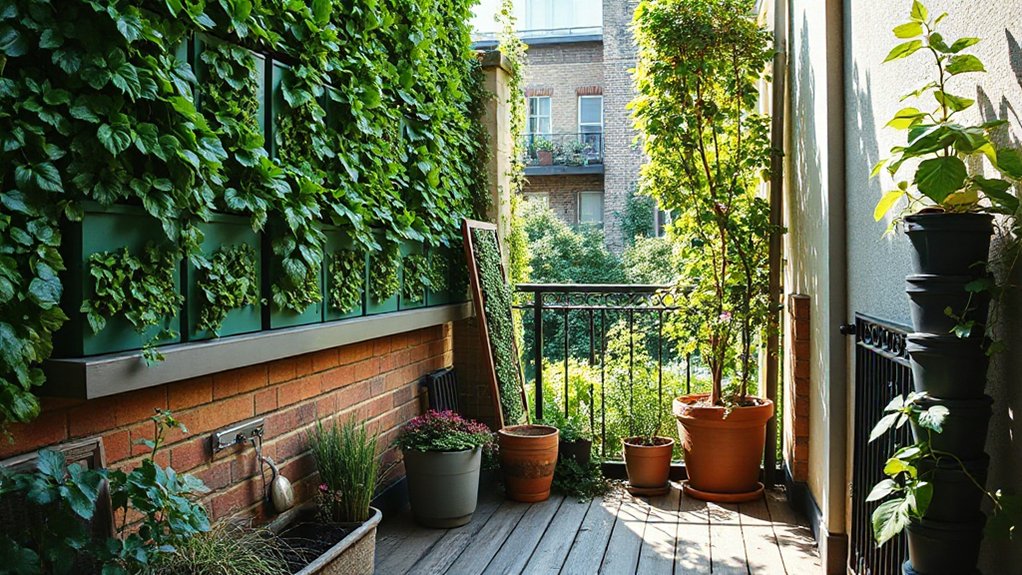
Vertical gardens thrive where light and shade meet city life; with clever placement and compact species, you can sculpt a living wall that performs in London’s light spectrum. You’ll choose hardy, sun-loving climbers for bright panels and shade-tolerant varieties where light wanes, creating a balanced vertical tapestry.
Start small with modular panels that snap together, so you can adapt as seasons shift. Use a drip irrigation loop to maintain even moisture without waste, and choose lightweight substrates to keep walls pristine.
Urban greenery becomes a tactile feature you glimpse from indoors, inviting touch and scent. For shade solutions, layer foliage with trailing blooms at eye level and crisp, structural greens above.
You’ll enjoy year-round texture, color, and a city-friendly, vertical flourish.
Space-Saving Furniture and Multiuse Zones for Tiny Outdoors
Even in a compact London courtyard, you can design with intention by pairing space-saving furniture with smart, multiuse zones. You’ll optimize every square inch with compact seating that folds, stacks, or tucks under a rail. Choose benches that double as planters, stools that work as side tables, and a small dining set that collapses after sunset.
Create zones that serve two purposes: a seating nook that also hosts storage, a dining area that becomes a sunlit reading corner. Use modular pieces you can rearrange in minutes, so conversation flows without crowding.
Material and finish matter: warm woods, powder-coated metals, and woven textures feel tactile yet durable. Prioritize clean lines, hidden hardware, and a cohesive palette to unify compact seating with multiuse zones.
Planting Schemes for Four-Season Color in Small Spaces
With smart planter choices and careful timing, small London spaces can glow through all four seasons. You’ll craft planting schemes that deliver continuous interest without crowding, prioritizing compact, high-impact varieties.
Emphasize Seasonal planting by selecting early-spring bulbs beside evergreen cushions that carry through winter. In containers, layer color schemes from cool tones to bright accents, then repeat textures to unify the display.
Choose dwarf varieties and annuals that rebloom or reappear in successive seasons, keeping soil and drainage immaculate to sustain energy.
Use verticals—trellises, shelves, and tall grasses—to add depth without footprint. Think in groups rather than singles, rotating additions as light shifts.
Your scheme should feel cohesive, tactile, and effortless, transforming limited space into a year-round, stylish garden.
Smart Storage Hacks and Easy Maintenance for Tiny Outdoor Spaces
Maximize every inch with smart storage that looks as good as it works, so your tiny outdoor space stays tidy without shouting for attention.
Think modular benches, wall-mounted hooks, and weatherproof boxes that blend into the vibe of London greenery. You’ll cut clutter while keeping essentials within reach, making maintenance feel almost effortless.
Smart Storage Solutions
Smart storage for tiny London gardens means clever, compact solutions you can trust. You’ll maximize every inch with modular benches that hide crates, stackable planters, and slim-wall shelves that keep tools in reach without crowding space.
Use a coffee-table-style chest for seating and storage, so you get dual purpose surfaces and a tidy edge. Hooks under eaves or railings free up floor area, while magnetic strips secure small items neatly.
Choose weatherproof materials with a tactile finish—think teak, powder-coated steel, or rattan—to blend with garden décor and stay durable. For visual calm, store seasonal bits in labeled, clear containers that slide out smoothly.
A small, discreet water features element can be integrated as a focal point, not a clutter trap.
Low-Maintenance Tips
Even in tiny London spaces, simple hacks cut upkeep without sacrificing style. You’ll design for effortless care, choosing durable, multiuse pieces that store neatly away after use.
Opt for vertical planters and modular shelves to keep surfaces clear and invite touch. For maintenance, group tasks into quick rounds—water, prune, wipe down—so nothing drags on.
Smart storage means tools within arm’s reach, yet out of sight, reducing clutter and temptation. Address garden pests with preventive habits—pre-seed, clean edges, and seal gaps—to minimize damage.
Consider composting techniques that fit small spaces: a compact bin, weekly turning, and a discreet location. This approach keeps soil nourished, plants thriving, and your outdoor space looking polished with minimal effort.
Grow Micro-Greenhouses for Home Harvests on Narrow Walkways
Micro-greenhouses are a smart way to turn narrow London walkways into productive growing spaces. You’ll transform a slim strip into a high-yield, tidy staging area for fresh greens. Choose compact frames with clear covers to trap heat and boost growth without crowding your path.
Shelves or tiered racks maximize vertical space, letting you grow lettuce, herbs, and mustard greens in a small footprint. Use adjustable vents for airflow and a simple irrigation drip line to keep cycles minimal.
Label plants to track succession and harvest cycles, so your walkway stays organized and stylish. Embrace urban microgreenhouses as a practical, chic solution for narrow walkway gardening, delivering consistent harvests while preserving curb appeal.
Lighting, Privacy, and Ambience for Small London Patios
Let there be a glow that defines your small London patio: thoughtful lighting, clever privacy, and a mood that feels truly you. You shape the scene with garden lighting that’s subtle yet decisive: string lights overhead, warm lanterns on side tables, and solar stakes along pathways.
Keep outdoor privacy tactile, using timber screens, climbing plants, and frosted glass panels that soften sightlines without closing you in. Layered lighting creates depth—accent a plant, highlight a seating nook, cue a twilight moment.
Choose dimmable sources, so you control mood with the same ease you control volume. Secluded corners invite intimate chats; open sightlines keep the space airy.
The result is a polished, livable patio that feels personal, safe, and effortlessly stylish.
Materials, Permits, and Local Resources for London Gardens
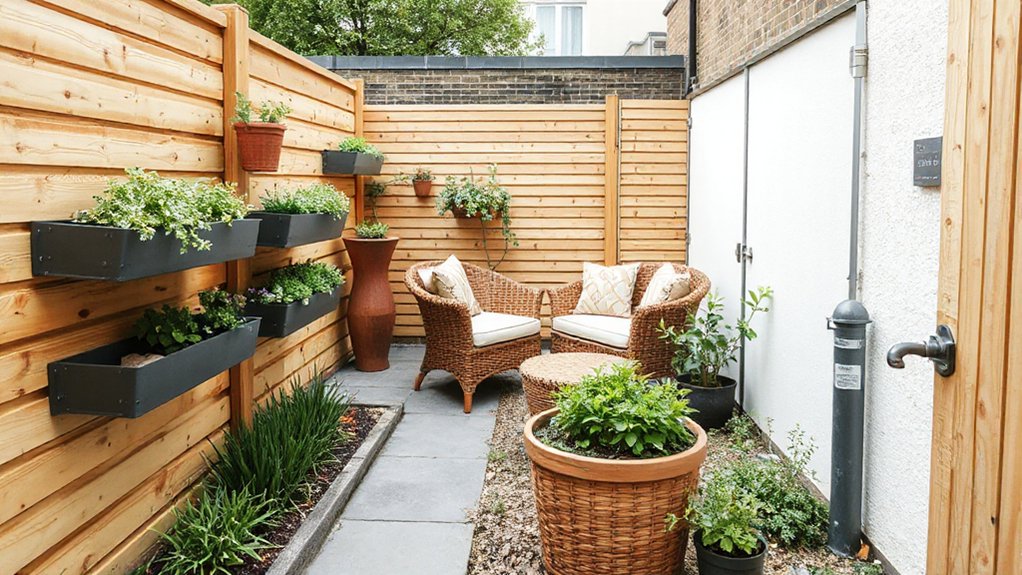
With a clear plan from your mood board, you’ll pin down the materials, permits, and local resources that keep a London garden both beautiful and practical.
Start by choosing durable, weather-ready materials like treated timber, composite decking, and light, permeable pavers.
Check planning rules for any permanent structures—fences, sheds, or enclosures—so you stay compliant without surprises.
Research local suppliers offering reclaimed or sustainable options; they cut costs and carbon.
For permits, consult the council’s planning portal and your local authority’s guidance on minor works and basements, if relevant.
Tap garden decor retailers for finish ideas and samples.
When it comes to outdoor furniture, prioritize compact, modular pieces that fold or stack.
Leverage community groups for tool sharing and seasonal plant swaps.
Frequently Asked Questions
How Much Can I Realistically Grow on a Balcony?
You can realistically grow a lush balcony garden, up to several herbs and compact vegetables. Try indoor herb trays and vertical gardening to maximize space, boosting flavor. You’ll enjoy fresh picks daily, with tactile textures and stylish greenery.
Which Plants Thrive in London’s Micro-Climates Year-Round?
You’ll find that native plant varieties and urban wildlife flourish year-round in London’s micro-climates; you’ll thrive by choosing hardy perennials, and you’ll savor textures, scents, and clever shelter—satirically noting climate quirks while you nurture resilient greenery.
What Are Affordable, Space-Saving Irrigation Options?
You can choose affordable, space-saving options like drip irrigation and compact sprinklers, which minimize water waste. Install drip lines along pots and planter edges, and stack compact sprinklers for layered coverage—stylish, tactile efficiency that fits London micro-gardens.
Can I Use Recycled Materials for Balcony Furniture Safely?
Yes, you can use recycled materials safely for balcony furniture. Recycling furniture reduces environmental impact while giving you tactile, stylish pieces; just seal, treat, and test stability, then enjoy durable comfort without harming the planet.
How Do I Access Local Planning or Permit Requirements Quickly?
You grab the map, navigate swiftly; planning permissions open like gates when you check online, local council sites, and zoning FAQs first. You’ll spot urban wildlife hints and garden lighting rules guiding your, “permit-ready” path.
Conclusion
You’ve got the blueprint for a stylish, workable London garden in a tiny space. Measure once, buy smart, and layer beauty from ground to sky with verticals, compact furniture, and multiuse zones. With seasonal planting, smart storage, and low-maintenance routines, your outdoor room stays fresh year-round. Think modular, sustainable, and tactile—you’ll feel the difference as you step outside. It’s a small space, big impact, and you’ll be rolling with it in no time. Don’t spill the beans on this plan, just plunge in.