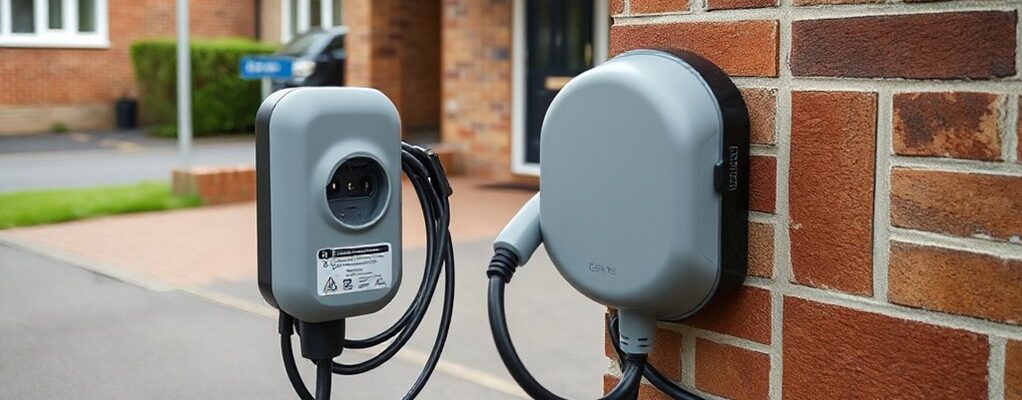
Choosing the right UK EV charger starts with your vehicle’s needs and your home’s electrical capacity. You’ll assess load, headroom, and cable routing, then compare charger features like max current, smart functions, and installation complexity. Plan for future-proofing while staying within regulations and safety margins. A precise, compliant install hinges on accurate site assessment and qualified trades. There’s more to cover—from permits and DNO notifications to warranties and post‑install support—so consider what factors matter most as you proceed.
Choose the Right UK EV Charger: Size, Features, and Compatibility
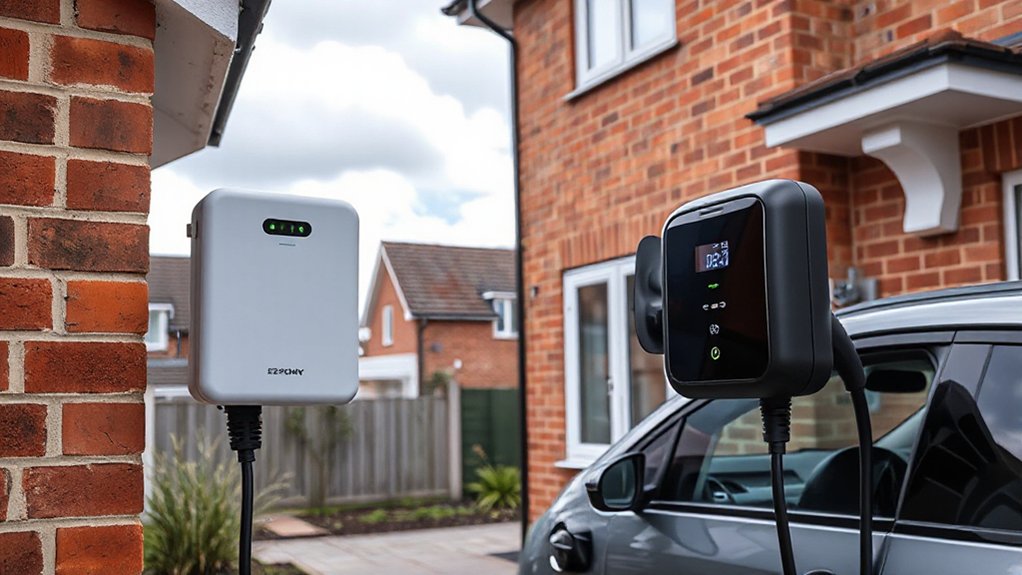
Choosing the right UK EV charger starts with matching output, flexibility, and compatibility to your home electrical system and vehicle. You assess your daily driving needs, then select a charger with appropriate output, charge rate, and futureproofing. Focus on charger features that impact operation: interface simplicity, app control, load management, and safety protections. Evaluate compatibility considerations, including connector type, plug standards, and vehicle communication protocols. Guarantee the unit supports your fuse rating and wiring condition, with clear derating guidelines for multi‑unit circuits. Consider vehicle integration, possible timing schedules, and smart-grid compatibility. Verify enclosure protections, mounting options, and cable length to reduce standby loss and energy waste. Document installation constraints, such as proximity to kitchens, gardens, or garages, to minimize trenching or rerouting.
What a Domestic Electrical Assessment Checks in Your UK Home
A domestic electrical assessment in a UK home builds on selecting the right charger by verifying the site’s electrical readiness. You’ll receive a structured evaluation of the existing installation and its capacity to handle EV load. The assessment includes a professional review of the consumer unit, circuits, and protective devices to confirm correct ratings and compliance. It also covers cable routes, accessibility, and labeling to guarantee safe operation. A key component is the home electrical safety inspection, focusing on wiring integrity, insulation resistance, earth bonding, and protective measures. Any deficiencies are documented with recommended remediation, sized for future EV charging demands. The results determine whether upgrades are needed, and they guide the charger installation plan, ensuring compliance with current UK electrical standards.
Plan Space, Wiring Routes, and Safety for UK Installations
Plan your charger location with adjacent, unobstructed access and consider the required clearance around the unit for heat dissipation and maintenance. Identify wiring routes that minimize bends, use protected conduits, and align with the consumer unit for a clean, code-compliant feed. Prioritize safety by avoiding wet areas, ensuring proper earthing, and planning fault-paths that keep live parts accessible only to trained personnel.
Plan Space Layout
Efficient plan-space layout hinges on locating the charger where both supply and user access are ideal: place the unit near a mains feed, away from heat sources, and within easy reach for daily use. Begin by defining a compact footprint in the chosen space, prioritizing low clutter and clear pathways. Plan wiring routes to minimize bends and avoid sharp corners; route through stud cavities or existing conduits where possible, using conduit or trunking to protect cables. Confirm the charger is mounted at a height comfortable for operation and inspection. For Garage organization, allocate a defined zone that keeps tools and materials separate from the charging area. Wall mounting should be level, secured to structural members, and tested for screw pull-out. Maintain ventilation and prevent overheating while preserving future accessibility.
Safe Wiring Routes
Safe wiring routes begin with identifying a direct, protected path from the mains supply to the charger, minimizing bends and avoiding sharp corners that can trap heat. Plan routes to align with existing circuits, ensuring sufficient clearance from moisture, heat sources, and high‑traffic areas. Choose conduit or trunking that supports fire resistance and mechanical protection, and document the route for future maintenance. Maintain consistent cable fill, avoiding overloading, and use appropriate cable sizing per UK regulations. Install dedicated circuits where required, with suitable protective devices and clear labelling at the consumer unit. Prioritize accessible junctions, clean cable runs, and secure fixings to prevent movement. Emphasize Wiring safety and Cable management during installation, and verify with a final inspection to confirm compliance and safe operation.
UK Incentives, Grants, and True Costs for Home EV Charging
UK incentives and grant options vary by scheme and installer, so you’ll assess availability, eligibility limits, and claim processes upfront. We quantify true installation costs by listing equipment, labour, and admin fees, then separate subsidized elements from self-funded portions to calculate net outlay. We also estimate payback timing by comparing annual savings from charging efficiency and off-peak tariffs against the total cost, guiding your budgeting and decision timeline.
Grants Availability And Limits
Are there grants available to offset EV charger installation costs in the UK, and what are their limits? You’ll find that grants, when offered, cover partial installation costs and equipment upgrades under specific schemes. Availability depends on location, household type, and eligibility windows, and funding often rotates with policy changes. You should verify current terms before planning, as funding limits apply per project and per year, with caps governing both supply and installation activities. This section emphasizes the relationship between Government incentives and project budgeting, helping you compare potential subsidies against total costs.
- Funding is time-bound and cap-limited per household
- Eligibility hinges on property type, occupancy, and charger specs
- Availability varies by scheme and regional administration
True Installation Costs
True installation costs for home EV charging in the UK reflect the actual expense beyond any incentives. You’ll assess baseline hardware, labor, and integration, excluding grant offsets. Plan for a dedicated circuit, suitable consumer unit, and protection measures (RCDs, MCBs) to meet installed capacity. Hardware choices influence price: basic single-phase units are cheaper, while smart features and load management add cost. Labour varies by property type, access, and existing cabling, with higher estimates for retrofit work. Permit or inspection fees may apply, alongside possible trenching or external routing. Budget for ancillary items such as cabling, mounting hardware, and cable management solutions to keep routes tidy and safe. A detailed bill of quantities ensures you compare true costs for a standard charging station setup.
Time Of Payback
Despite incentives, the time to recoup your EV charger investment hinges on upfront costs, ongoing electricity savings, and installed capacity. A precise cost analysis reveals payback is driven by charger price, installation complexity, and tariff changes. Your ROI calculation should account for annual savings versus capital expenditure, plus potential maintenance and warranty costs. Consider device interoperability and future-proofing, which can shorten payback if future electricity rates rise.
- Upfront expenditure vs. grant coverage and VAT relief
- Annual savings from cheaper charging, demand charges, and possible time‑of‑use tariffs
- Installation complexity, upgrade needs, and market inflation impact
Hire a UK EV Charger Installer: Questions to Ask and Red Flags
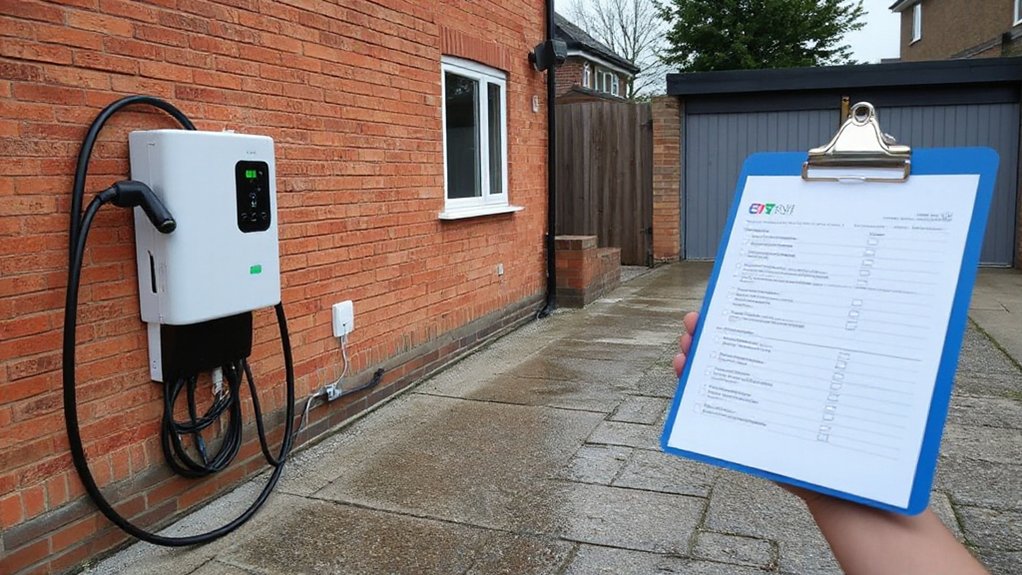
Choosing a UK EV charger installer requires clear criteria: ask about qualifications, insurance, and compliance with UK electrical standards, then flag any red flags that could indicate risky workmanship. You should verify G99/1, NICEIC orNAPIT accreditation, and Parts P compliance as baseline evidence of competence, and request a formal quotation with scope, milestones, and liability coverage. In your questions, probe for installation warranties, post-install support, and a documented process for defect remediation. Assess customer support responsiveness, clear terms for follow-up visits, and how outages are handled. Demand transparent project timelines, and confirm compatibility with your vehicle and electrical panel capacity. Look for written safety protocols, testing procedures, and issued certification upon completion; beware vague language, uninsured subcontractors, or inability to provide references.
Top Pitfalls in UK Home EV Charger Installations and How to Avoid Them
One common pitfall is underestimating electrical capacity, which can lead to insufficient breaker space or overloaded circuits; verify your consumer unit (fuse box) and panel ratings before selecting and scheduling an installation. You may encounter DIY mistakes when attempting improvised wiring or charging point mounting without schematics. permit issues can delay work if your project lacks the correct permissions or notifications to local authority or the DNO.
- Verify compatibility of the charger with your current supply and existing breakers.
- Obtain required permits or notifications to avoid delays and non-compliance.
- Schedule professional wiring, routing, and earth bonding to prevent overloads and future maintenance problems.
Frequently Asked Questions
How Long Does a Typical Home EV Charger Installation Take?
An installation typically takes half a day to a full day, depending on your electrical setup. You’ll review charging speed options during the Installation process, confirm circuit capacity, and verify proper wiring, protection, and testing before charging starts.
Can I Move or Upgrade My Charger Later Easily?
Yes, you can relocate or upgrade later, but consider charger relocation logistics and upgrade challenges—repositioning may require new wiring, permit checks, and potentially a different supply circuit; upgrades can demand panel capacity and updated EVSE compatibility.
Will a Wall Box Affect My Home Insurance Premium?
You should verify that a wall box’s insurance impact is minimal if installation follows policy guidelines; insurers typically consider upgraded home systems. Policy considerations include equipment coverage, wiring integrity, and compliance, which can influence premiums modestly if documented properly.
Do Chargers Require Planning Permission in the UK?
No, you typically don’t need planning permission for home EV chargers, but you must comply with electricity regulations and Building permissions where applicable. You’ll need to verify local exemptions, and guarantee safe installation and adherence to regulations.
Are There Potential Hidden Costs After Installation?
Hidden fees can appear after installation, and warranty coverage matters; you’ll want clarity. You’ll monitor costs, compare service plans, and verify ongoing maintenance. You’ll avoid surprises by documenting terms, exclusions, and response times in writing, upfront.
Conclusion
Choosing the right charger is about matching your vehicle, home wiring, and daily use. A thorough domestic electrical assessment, proper routing, and safe installation practices prevent faults and delays. Guarantee the installer handles DNO notifications, permits, and certification. Plan space, cable management, and future upgrades to avoid rework. The goal is a reliable, compliant system with transparent costs and solid warranties. Think of it as building a bridge to convenient, safe charging—solid foundations prevent future traffic jams.