
Liverpool’s property scene isn’t just about brick and mortar; the numbers point to steady growth driven by affordable rentals, family homes on the outskirts, and renewed demand for city-center flats. You’ll see low vacancy and solid yields, supported by upgrades to transport, regeneration zones, and waterfront development. Yet affordability pressures and ongoing infrastructure plans mean careful risk assessment is essential as you map long-term opportunities—a balance that keeps the market resilient and worth watching closely.
Liverpool Property Market Today: Current State and Signals

Liverpool’s property market is steady but evolving, with demand focused on affordable rents and family-friendly homes in outer boroughs.
City-center flats see renewed activity as investment yields improve. You’ll notice a data-driven rhythm: rents in affordable segments hold steady, while vacancy rates compress in family zones, signaling stronger tenant loyalty.
Luxury apartments attract selective interest in new-build pockets and upscale corridors, yet price sensitivity remains high among first-time buyers.
Historic conversions continue to shape supply, offering character-led options with updated fittings that appeal to investors and renters alike.
Signals point to tighter cap rates in central districts and stabilizing yields in peripheral markets, supported by ongoing regeneration, transport upgrades, and targeted planning policies that preserve value without dampening demand.
What’s Driving Demand in Liverpool Now: Jobs, Rents, and Demographics
Across Liverpool, demand is increasingly tethered to a mix of steady job growth, affordable rents, and shifting demographics, with several catalysts converging to shape the market this year. You’ll notice payrolls expanding in health, logistics, and tech clusters, supporting steady household incomes.
Rents remain competitive in housing markets outside the central core, sustaining attractors for both renters and investors. Demographic shifts—students aging into early career roles, plus inward migration from nearby regions—bolster demand in suburban and renewed city-fringe locales.
Housing affordability remains a key driver, influencing tenant retention and turnover, while tenant satisfaction signals help gauge long-term viability of portfolios.
Taken together, these dynamics suggest a resilient demand curve, with selective opportunities by area, type, and price tier.
Liverpool Price Trends: Past, Present, and Near-Term Outlook
You’ll see how the price trajectory stacks up against recent momentum signals, using local data to gauge where buyer activity is headed next.
With near-term forecasts, we’ll weigh risks to prices against continued demand and supply shifts in Liverpool’s markets.
This sets up a clear view of what to watch over the coming quarters and where investment opportunities may tighten or broaden.
Price Trajectory Overview
Prices in Liverpool have risen steadily over the past few years, but the pace has slowed as affordability pressures bite and mortgage costs rise. You’ll see that price trajectories show tighter gains in the city core, with outer districts outperforming during steady demand periods.
Market fluctuations reflect seasonal buying patterns, altered lender criteria, and evolving investor interest, yet overall momentum remains constructive. In the near term, price stability appears linked to local rental yields and regeneration confidence, not speculative spikes.
You should track annualized change by submarket to identify pockets of resilience and risk. Real-time data suggest slower but persistent price growth, supported by strong domestic demand and growing commuter options.
This trajectory remains favorable for calibrated investors focusing on long horizon gains.
Market Momentum Signals
Market momentum in Liverpool is being shaped by tighter lending criteria, steady rental demand, and ongoing regeneration that supports pricing resilience. You see persistent buyer activity at key price bands, helped by a steady flow of rental data and planning-led upgrades downtown.
Market sentiment remains cautiously optimistic, with housing stock rotating through traditional channels faster than buyers enter, signaling a resilient bidding floor. Investor confidence is strongest where infrastructure projects align with community needs, helping cap dips during seasonal lull periods.
In this landscape, price momentum is less about abrupt surges and more about sustained, incremental gains supported by occupancy rates and occupancy-weighted yields. You should monitor local transaction velocity and mortgage approval trends for near-term reliability.
Near-Term Forecasts and Risks
So, with momentum pointing to steady, incremental gains rather than sudden spikes, Liverpool’s near-term price path hinges on the balance between mortgage lending conditions, rental demand, and ongoing regeneration activity.
You’ll see market sentiment guided by steady transactions, with buyers cautious yet active in well-rated areas. Price volatility remains contained, but pockets of turbulence appear where financing tightens or completion timelines slip.
Local regeneration initiatives, such as waterfront and brownfield projects, should sustain modest price appreciation, particularly in commuter-friendly districts.
A repeatable pattern emerges: gradual increases when rents hold firm and vacancies stay low, tempered by global rate shifts.
Liverpool Neighborhoods Where Buyers and Renters Are Active
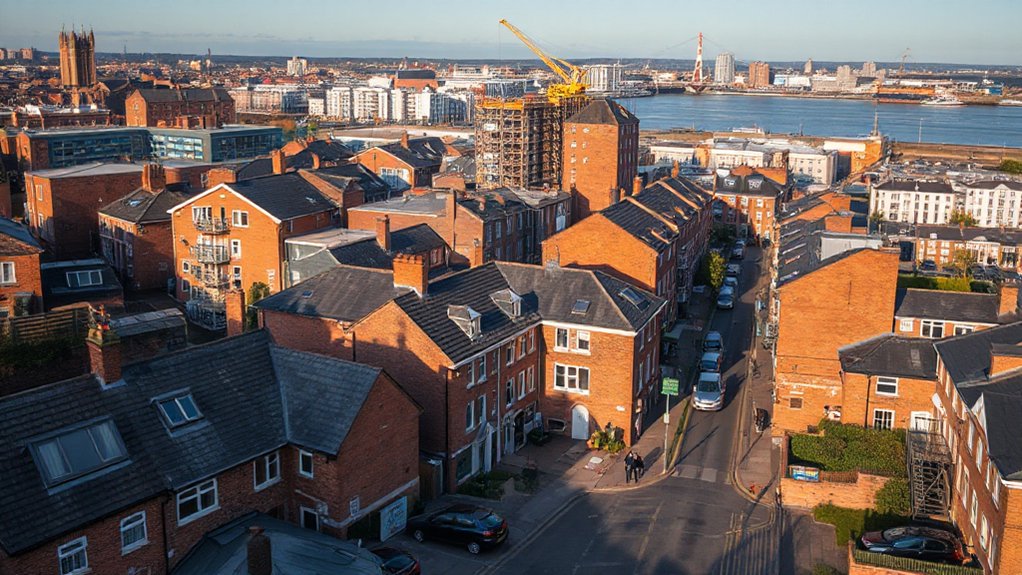
Liverpool’s buyer and renter activity centers on zones with strong employment access, transport links, and ongoing development. You’ll notice sustained demand in areas surrounding major universities, hospitals, and tech parks, where job growth fuels steady rental turnover and price resilience.
In the north, you’ll find pockets near rail hubs and redevelopment corridors attracting young professionals and families seeking shorter commutes and refreshed amenities.
The south end shows growing activity around campus corridors and historic districts, balancing investment in student housing with longer-term lets.
Historical architecture underpins value in several conserved streets, while newer projects near waterfront gateways attract professionals seeking lifestyle upgrades.
Expect continued interest in luxury apartments along key corridors, paired with targeted refurbishments to preserve rental yields and occupancy.
Riverside and City Center: Opportunities, Risk, and Strategies
Riverside signals point to steady demand from both rental and owner-occupier buyers, supported by ongoing infrastructure upgrades and increasing city-center employment.
In the City Centre, we’re watching risk indicators like vacancy stabilization and cap rate compression, which call for disciplined pricing and portfolio diversification.
You can seize opportunities by prioritizing assets with scalable value add potential and robust tenant demand, while applying proactive risk mitigation strategies.
Riverside Investment Signals
Investors eyeing Riverside and the City Centre should note a tight supply of prime riverside flats and new-builds amid steady demand from professionals and returning students. This signals reliable rent growth and capital appreciation over the next 12–24 months.
In this signal set, vacancy rates remain sub-2% in key Riverside zones, while average rents advance 4–6% annually, outpacing broader city averages.
New developments target compact, high-spec units near transport hubs, boosting rental yield potential for seasoned landlords and lenders.
Riverside aesthetics drive tenant choice, with design emphasis on daylight, outdoor access, and walkability.
Waterfront amenities—pubs, gyms, coworking spaces, and green corridors—translate into premium pricing and reduced vacancy.
You should monitor planning cautions, completion timelines, and infrastructure upgrades shaping absorption rates.
City Center Risk Mitigation
Data shows steady occupation in core zones, even as interest rates shift, so you focus on mix: premium residences near transport nodes, mid-market conversions near cultural anchors, and flexible spaces for short-term demand.
Prioritise risk controls: phased development, price sensitivity analyses, and contingency leases to cushion vacancies.
You should monitor riverfront corridors for flood resilience, insulation upgrades, and energy efficiency to reduce operating costs.
Leverage local incentives for retrofit projects that preserve heritage while expanding usable floor area.
The goal: durable cash flow, resilient rents, and preserved character that attracts long-term investment.
How Ofsted and Schools Shape Liverpool Property Value
Ofsted ratings and local school performance directly influence Liverpool property values, guiding buyers toward areas with strong educational outcomes and tighter housing demand. You’ll notice higher prices clustering around well-regarded schools and stable catchment boundaries, where demand remains resilient even in slower markets.
Data shows Ofsted inspections correlate with longer-term price growth in adjacent streets, not just school runs, signaling broader neighborhood desirability. In practice, families prioritize school catchment maps, shifting weights toward campuses with improving trajectories and consistent Ofsted ratings.
For investors, districts with diverse school options and open enrollment paths tend to sustain rental demand and occupancy. Looking ahead, emerging performance trends and transparent Ofsted reporting will continue shaping buyer confidence, pricing, and neighborhood selection across Liverpool.
Regeneration Projects in Liverpool to Watch This Year
Regeneration areas are expanding, driven by targeted investments and measurable progress across key districts.
You’ll see rising opportunity as infrastructure upgrades and new developments unleash land value and housing supply, supported by transparent project timelines and budgets.
With data-backed momentum, this year’s regeneration plan signals stronger returns for investors who monitor delivery metrics and local demand signals.
Regeneration Areas Expanding
Liverpool’s regeneration areas are accelerating this year, with major schemes in the dockside, Baltic Triangle, and Anfield corridors delivering new housing, improved public sphere, and job-ready spaces. You’ll see evidence in mixed-use blocks that pair homes with workspace and public realm upgrades that invite pedestrians into active streets.
Data indicates substantial investment anchored by phased delivery—early completions pushing rent stability and mixed-income tenure. Urban greenery is expanding with pocket parks and tree-lined boulevards shaping microclimates and heat mitigation.
Historical landmarks are integrated into masterplans, preserving identity while upgrading accessibility. Transport-linked ambitions boost daily flows, supporting local businesses and attracting apprenticeships.
Looking ahead, monitoring occupancy, footfall, and vacancy will reveal areas most aligned with long-term demand and community resilience.
Investment Opportunities Rising
This year, regeneration projects across Liverpool’re poised to release strong investment opportunities as delivery ramps up in the Dockside, Baltic Triangle, and Anfield corridors. You’ll see demand signals align with targeted schemes, translating into measurable yields and faster rent cycles.
In Dockside, new waterfront development sites attract premium tenants, with luxury apartments driving cap rate resilience despite market volatility.
The Baltic Triangle concentrates on mixed‑use clusters, blending creative spaces with high‑end residences and student-focused amenities, boosting occupancy and turnover.
Across Anfield, lifecycle refurbishments open underutilised assets, expanding city-centre capture and amenity access.
Student housing remains a critical anchor, supported by rising enlistment trends and local institutions expanding intake.
Infrastructure Upgrades Planned
Infrastructure upgrades are set to accelerate regeneration this year, with targeted enhancements across transport, flood protection, and public domain that strengthen Liverpool’s investment case. You’ll see coordinated projects tying into city-wide renewal, from new bus corridors to flood defenses that reduce risk for waterfront assets.
Data shows projected capital spend focused on reliability and resilience, with measurable gains in commute times and lower insurance costs for property owners. Smart technology will underpin smarter street lighting, sensors, and energy efficiency across newly upgraded public spaces, boosting tenant appeal.
Visual improvements aim to elevate property aesthetics, supporting higher rental viability and boundary-pushing valuations. As these upgrades complete, expect sharper demand for well-located, tech-enabled units that attract both local and institutional capital.
Buy-To-Let in Liverpool: Viability, Yields, and Risk
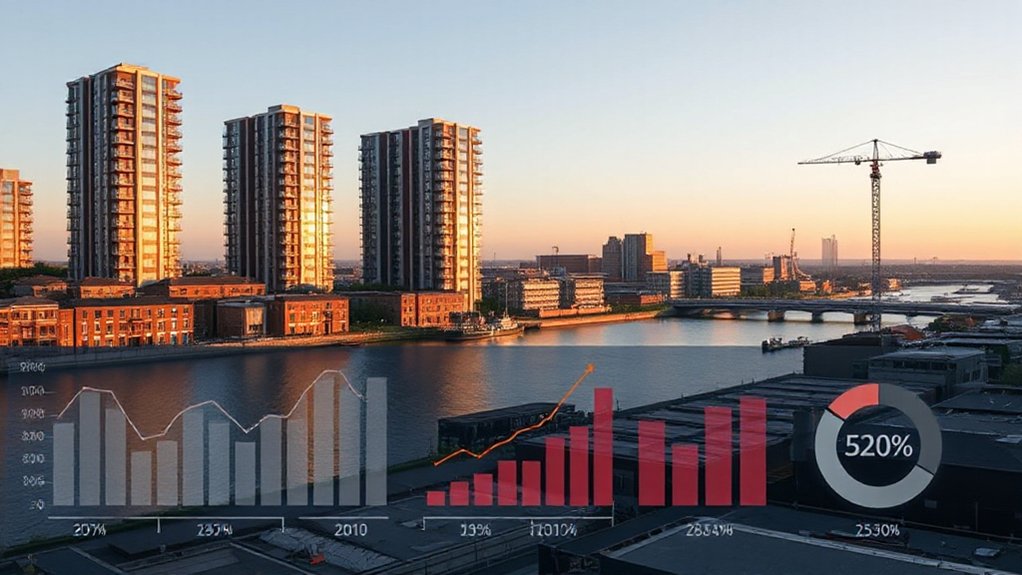
Despite steady rent growth and a reshaping of demand across parts of the city, Buy-To-Let in Liverpool remains viable for investors who target areas with strong occupancy and improving transport links. Yields are solid in several neighborhoods, though they vary by micro-area and property type.
Data indicates occupancy sits above regional averages in core corridors, supporting stable cash flow even after financing costs. However, you’ll encounter tighter underwriting due to Property taxation changes and evolving rental regulations, which shape net returns.
Focus on properties near transport hubs and growing employment clusters to mitigate vacancy risk and sustain velocity of lettings. Look for value-add opportunities in mid-market flats and small houses, where refurbishments can lift rents without overpaying at purchase.
Stay current on policy shifts to preserve risk-adjusted performance.
Downsizers and First-Time Buyers: Opportunities in Liverpool
Downsizers and first-time buyers are increasingly converging on Liverpool’s core districts, where growing transport links, affordable period homes, and targeted incentives create credible paths to equity and homeowner stability.
You’ll notice demand patterns align with compact, well-connected assets that minimize upkeep while maximizing access to rail, bus routes, and city amenities. Data shows mid-market price momentum is driven by refurbished historic conversions and well-designed luxury apartments that balance size, cost, and lifestyle.
Local incentives, including stamp-duty relief windows and redevelopment grants, tilt decisions toward city-center living rather than out-of-town expansion. Prospective buyers gain confidence from transparent yield comparisons, rental demand indicators, and planned regenerator projects.
In short, Liverpool offers scalable routes to ownership, with diversified options across historic conversions and contemporary luxury living.
Investment Playbooks for Liverpool: Strategies That Fit the Market
Liverpool’s investment playbooks blend tight market data with practical, locally informed tactics to seize early wins and protect downside. You’ll align entry points with Historical trends, watching demand shifts across renter and owner-occupier segments.
In practice, you’ll prioritize assets in areas with strong rental yields and steady appreciation, reducing exposure to cyclical shocks. Market cycles inform timing: deploy capital into value-add opportunities during slower phases and harvest gains when growth accelerates.
You’ll favor robust fundamentals—location, transport links, and amenity access—over flashy upgrades. Use local data to stress-test rent assumptions, vacancy rates, and refurbishment costs, then calibrate risk accordingly.
This playbook emphasizes disciplined underwriting, scenario planning, and ongoing market rebalancing as Liverpool evolves, ensuring resilience and repeatable outcomes.
Financing Liverpool Purchases: Options and Rate Considerations

Financing Liverpool purchases hinges on pairing clear market signals with accessible funding options, so you can lock in favorable terms before competition heats up. You’ll see mortgage options widen as lenders compete for a resilient local demand, with fixed-rate tends to stabilize upfront costs while trackers mirror rate shifts.
In practice, map recent Liverpool-origin data: average loan-to-value ranges, down‑payment bands, and eligibility thresholds across major lenders. You’ll want to compare total costs, not just headline rates, since fees and payback schedules change your breakeven point.
Expect rate considerations to tilt toward longer fixed periods amid modest regional volatility. Stay alert to policy tweaks from the Bank of England and local appetite for residential versus buy-to-let financing, and align terms with your planned horizon.
Mortgage options, interest rates influence timing as much as property quality.
Due Diligence for Liverpool Investments: A Practical Checklist
You’ll start by verifying your property sources to guarantee accuracy and local relevance. Then run a concise financial due diligence checklist to map risks and returns.
In Liverpool’s current market, this data-driven approach helps you spot price signals, vacancy trends, and financing implications before you commit.
Use a practical, starter checklist to align sources with vetted financial metrics and set a clear path for next steps.
Property Sources Confirmation
What sources underpin your Liverpool investment decision, and how reliable are they in the current market? You pull data from local estate agents, council housing stats, and MLS-style databases, then cross-check with independent research on price trajectories and rental yields.
You verify consistency across quarterly market reports, planning notices, and local economic indicators like employment trends and wage growth. You prioritize sources with transparent methodologies and timely updates, noting any revisions to past figures.
You complement hard data with on-the-ground signals: rental turnover, tenant demand, and major development pipelines in Anfield, Baltic Triangle, and the Waterfront. Be mindful of Property tax implications and rental regulations as you triangulate signals, ensuring your conviction rests on verifiable, locally-grounded evidence.
Financial Due Diligence Checklist
To build on the sourcing discipline from our Liverpool market review, the Financial Due Diligence Checklist focuses on verifiable numbers and local realities that drive investment viability. You’ll verify cash flow assumptions against current rents, vacancy rates, and lease structures, then stress-test with conservative scenarios.
Examine title deeds, planning permissions, and recent development activity to confirm resilience and appreciation potential. Assess Property taxes and operating costs to establish accurate net income, and benchmark against Liverpool peers to gauge competitive standing.
*Guarantee* legal compliance by reviewing licencing, HMO regulations, safety certificates, and tenancy rights. Validate debt service coverage and lender requirements, and document contingencies for regulatory changes.
Compile a concise risk matrix, highlighting mitigations, exposure, and remediation timelines for informed decision-making.
Planning Permissions and Development Risk in Liverpool
You’ll see approvals clustered around growth corridors, with zoning decisions signaling where density can rise. Zoning regulations shape feasibility, so you’ll compare site classifications against viability models before you commit capital.
Expect development delays to reflect community consultations, infrastructure sequencing, and environmental assessments; these can shift cashflow and extend hold periods.
Data shows Liverpool’s planning pipeline increasingly prioritizes brownfield reuse, which can shorten timelines if precedents exist.
Use real-time planning portal updates, engage early with planning officers, and build contingency buffers into budgets to navigate regulatory friction confidently.
Managing Risk in Liverpool: Tenant Demand, Vacancy, and Macro Shocks
Tenant demand in Liverpool is shaping up to be uneven across submarkets, so you should align appetite for rental growth with local employment trends, housing completions, and transport access. You’ll monitor vacancy cycles closely, targeting pockets with stronger year‑on‑year occupier demand and bounded new supply to reduce exposure to spikes in turnover.
Data show tenant stability varies by sector, commuting reach, and university activity, so diversify by submarket to smooth performance. Expect macroeconomic shocks to transmit through income, borrowing costs, and migration; stress tests should assume higher service costs and delayed relocations.
Build resilience with flexible lease structures and responsive maintenance. Track occupancy, retention, and move‑out reasons weekly to refine pricing and cap exposure to downturns.
Frequently Asked Questions
What Future Indicators Signal Liverpool Market Turning Points?
You’ll spot turning points when Market cycle signals align with leading economic indicators, such as price momentum, rental yields, vacancy rates, and local employment trends; you can anticipate shifts by tracking these economic indicators against Liverpool’s market cycle.
How Do Student Populations Impact Rental Yields Long-Term?
Like a compass, you’ll see student populations lift rental demand and stabilize yields, especially in core campuses. You’ll notice student housing demand shapes long-term returns, guiding you to targeted blocks and resilient, data-driven investment in Liverpool.
Which Micro-Areas Show Best Capital Appreciation Recently?
You’re targeting property hotspots like renovated districts showing sharp capital gains, with micro-areas delivering rapid appreciation. You’ll spot Renovation districts outperforming peers, driven by infrastructure and demand, and you’ll shift investments toward these data-backed, locally informed opportunities.
What Lender Criteria Are Unique to Liverpool Investments?
Ever wondered what lender criteria in Liverpool look like today? Lender policies vary, but you’ll see stricter affordability checks and higher stress tests; lending restrictions emphasize local income, rents, and asset-backed security, guiding smarter, data-driven investment decisions.
How Will Liverpool’s Infrastructure Affect Property Demand?
You’ll see property demand rise as urban regeneration accelerates and transportation expansion unlocks new commutes, making neighborhoods more attractive. Data suggests faster appreciation, locally informed projections indicate sustained growth, and you’ll position investments to benefit from ongoing momentum.
Conclusion
Liverpool’s market emits a steady, scalable signal: solid demand, lean vacancy, and sustainable yields. With thriving tech and healthcare hubs, family-friendlier outskirts, and ongoing waterfront revitalization, opportunities crop up in response to infrastructure boosts. You’ll want disciplined due diligence, diversified financing, and vigilant risk tracking as rates shift and schemes unfold. Stay data-driven, stay locally informed, and stay forward-looking to seize reliable rents, resilient capital, and returns that keep rising in lockstep with Liverpool’s lively, layered landscape.