
Bristol’s property market isn’t without its bumps, yet you’ll notice steady price momentum underpinned by demand, limited supply, and ongoing infrastructure upgrades. As prices show selective growth in walkable, transit-connected pockets, you’ll want to track how tech-driven arrivals and remote work are shaping demand alongside regenerative projects. If you’re positioning yourself for the next quarter, the clues point to high-demand districts with growth catalysts—but the nuance you’ll need to navigate isn’t far behind.
What’s Driving Bristol’s Property Market Right Now
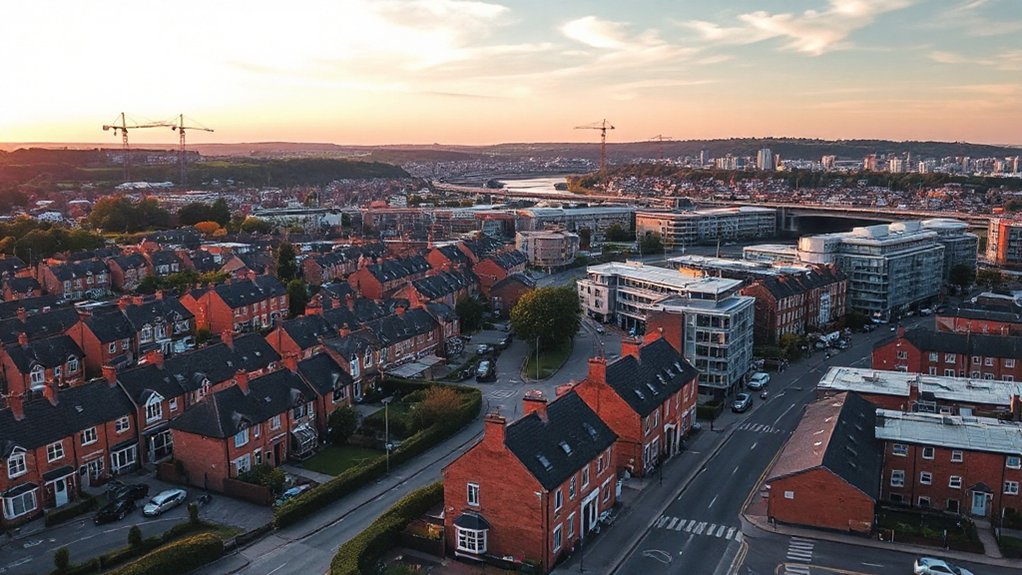
Demand for Bristol homes remains strong, anchored by inexpensive borrowing costs, a growing tech and professional services sector, and continued domestic migration within the UK. You’re looking at a market propelled by steady demand from both renters and buyers, underpinned by historical affordability relative to other regional hubs.
Demographic shifts are reshaping housing needs, with younger workers prioritizing flexible layouts and commuting options while longer-tenured residents seek stability in well-connected neighborhoods.
Supply is adjusting, but planning cycles and land use constraints temper new builds, keeping price support intact. Vacancy rates remain low, and affordability pressures persist where wage growth lags home-price gains.
You should monitor infrastructure investments, talent spillovers, and policy signals, which will influence pricing, time-on-market, and neighborhood desirability over the next 12–24 months.
Bristol Price Trends: What Happened Over the Last 12 Months
Over the last year, you’ll see price movement unfold with clear monthly signals, helping you gauge when to act.
We’ll map volume and tempo shifts alongside price, so you understand how buyer activity has shaped the trend.
Looking ahead, these data points point to where prices may head next, informing your next steps with precision.
Price Movement Insights
Despite fluctuations, Bristol’s 12-month price trajectory shows steady resilience: after a trough early in the period, prices climbed month over month, with selective gains in central and peripheral zones driven by demand for compact family homes and starter flats.
You’ll see a clear pattern of gradual acceleration in late spring and sustained, though modest, momentum into autumn, reflecting market fluctuations without derailing overall price stability.
Across neighborhoods, price growth remained selective: affordable loans and yield optimism supported first-time buyer pockets, while premier districts tempered by tighter supply showed slower gains.
The data indicate resilience amid seasonal cooling and policy shifts, suggesting continued price stability next quarter as demand aligns with supply.
Monitoring micro-trends will sharpen timing for entry and renegotiation.
Volume and Tempo Shifts
Market fluctuations surfaced as bid-ask spreads narrowed briefly, then widened with policy chatter and lending changes, shaping near-term momentum. You can expect price trajectories to reflect these tempo shifts, with faster turnover when demand exceeds supply and slower cycles when inventory rises.
Investment cycles now appear to tilt toward selective purchases, as buyers time entry around data releases and seasonal catalysts. Going forward, monitoring weekly volume alongside price direction will sharpen forecasts and support disciplined decision-making.
How Tech, Transport, and the Local Economy Fuel Demand
Tech-driven demand, strong transit links, and a resilient local economy are shaping where people want to live in Bristol, with data showing upticks in new listings near employment hubs and improved commute times.
You’ll see how tech clusters attract skilled workers, how transit investments correlate with price stability, and how economic diversification supports steady occupancy.
Looking ahead, we expect these forces to keep guiding demand toward neighborhoods offering practical access to jobs, services, and growth potential.
Tech-Driven Demand
Tech, transport links, and the local economy are shaping Bristol’s property demand in real time. You’ll see tech-driven buyers prioritizing connectivity, automation, and future-proofing as core value adds.
Survey data show rising interest in smart homes, with energy efficiency and remote management features translating into premium pricing and quicker sales cycles. Virtual tours are accelerating engagement, shortening decision windows for out-of-area buyers and machinery-heavy city workers alike.
In contemporary inventories, developers increasingly bundle fibre-ready shells, smart thermostats, and adaptable layouts to attract tech-centric tenants and owners.
Price momentum tracks these features, especially in compact flats near innovation hubs and university campuses. Expect vendors to highlight automation, sustainability, and responsive design in listings as demand remains laser-focused on efficiency and smart living ecosystems.
Transit and Local Economy
Transit access and the local economy are driving demand in real time, as better transport links attract commuters and upgrade the city’s business ecosystem.
You’ll see sustained price resilience where public transit improvements connect neighborhoods to core employment hubs and education campuses.
Data indicates ridership growth tracks closely with office leasing activity and new tech hubs, suggesting a direct linkage between transport investments and property performance.
In Bristol, recent station upgrades and bus rapid transit corridors correlate with higher sale offers and quicker market turnover in adjacent zones.
The local economy benefits from a diversified mix of tech, logistics, and creative industries, amplifying demand beyond traditional commuters.
Looking forward, planned infrastructure funding and smarter mobility pilots should further strengthen public transit’s role in property value and regional growth.
Bristol’s Hot Spots: Neighborhoods to Watch and Why
Bristol’s neighborhoods are tightening their competitive edge as demand concentrates around areas with walkable amenities, strong transport links, and ongoing regeneration. You’ll see pockets around Clifton, Redland, and St. Paul’s gaining traction as mixed-use cores attract both buyers and renters seeking efficiency and lifestyle parity.
The data show rising sale velocity in zones with historic architecture, preserved streetscapes, and proximity to green space, while new developments add flexible layouts and sustainable features.
Local amenities—cafés, markets, schools, medical facilities—predict longer hold periods and resilient prices, even in slower macro cycles.
Regeneration schemes near Temple Meads and Bedminster contribute to expected price normalization, not just short-term spikes.
Looking ahead, you’ll benefit from targeted investments in walkability, transit access, and community hubs that compound value.
If You’re Buying: A Quick Guide to Prices, Mortgages, and Timelines
As demand tightens around walkable hubs and strong transport links, buying in Bristol now means anchoring your plan to prices, mortgage options, and realistic timelines. You’ll see price ranges shift by area, with data suggesting steady growth in commuter belts and stable but selective increases within inner cores.
Compare fixed-rate vs. tracker mortgages, factoring stress tests and affordability caps, then map monthly payments to your budget over 15- to 30-year horizons.
Expect timelines from offer to completion to span 8–12 weeks under typical conditions; faster routes exist for cash buyers or experienced conveyancers.
Track Property tax changes and any exemptions, and stay aligned with Market regulations that influence valuation and mortgage eligibility.
Build a phased timeline, including survey, mortgage approval, and contract exchange, to minimize delays.
If You’re Selling: Timing, Pricing, and Market Tactics

If you’re selling, timing your listing around price momentum and demand signals can maximize exposure and offers, so start with a data-backed plan. You’ll align market timing with current momentum, analyzing weekly price trajectories, days-on-market, and inquiry spikes to pinpoint ideal windows.
Pair this with pricing strategies that reflect real-time comps, seasonal patterns, and seller concessions to attract competitive bids without underselling. Set an initial price range anchored by trend lines, then adjust in small increments as momentum shifts, not after overpricing stalls.
Leverage staged showings, flexible viewing times, and transparent disclosures to convert interest into solid offers faster. Monitor competitor activity daily and recalibrate quickly, keeping your strategy precise, evidence-based, and forward-looking to maximize net proceeds.
Bristol Investment Signals: Best Areas and Asset Types for Growth
Investing in Bristol hinges on identifying areas with sustained demand, strong rental yields, and area’s growth catalysts. You should focus on neighborhoods with multi-year occupancy stability, infrastructure upgrades, and clear planning approvals that boost capital appreciation.
Data indicates higher returns when you target submarkets with diverse demand drivers, such as proximity to universities, tech hubs, and transit corridors.
For asset choice, luxury apartments near amenity clusters offer premium rents and resilience to short-term vacancy, while student housing near campuses delivers steady occupancy and cyclical demand during term times.
Analyze rent per square foot, maintenance costs, and turnover rates to refine IROI projections.
Favor assets with scalable management platforms, long-term leases, and regulatory alignment to maximize predictable cash flow and expansion potential.
Near-Term Trends: Supply, Policy, and Demand Shifts You Should Monitor
Near-term forces shaping Bristol’s property landscape center on evolving supply dynamics, policy adjustments, and shifting demand patterns. You’ll see supply constraints easing in select corridors as small- and mid-scale builders respond to higher land costs, while planning permissions bend toward brownfield reuse and faster approvals.
Market fluctuations become more data-driven, with monthly price momentum diverging by submarket as rental yields stabilize in core zones and thin in peripheral districts. Policy impacts appear through tighter underwriting standards and targeted incentives, nudging investor mix toward cash-flow resilient assets and energy-efficient stock.
Demand shifts reflect remote-work persistence and commuter tradeoffs, boosting demand for well-connected, amenity-rich neighborhoods. Track occupancy rates, inventory turnover, and policy briefings to anticipate price sensitivity and risk exposure across Bristol’s evolving market segments.
Bristol Areas at a Glance: A Practical Property Atlas
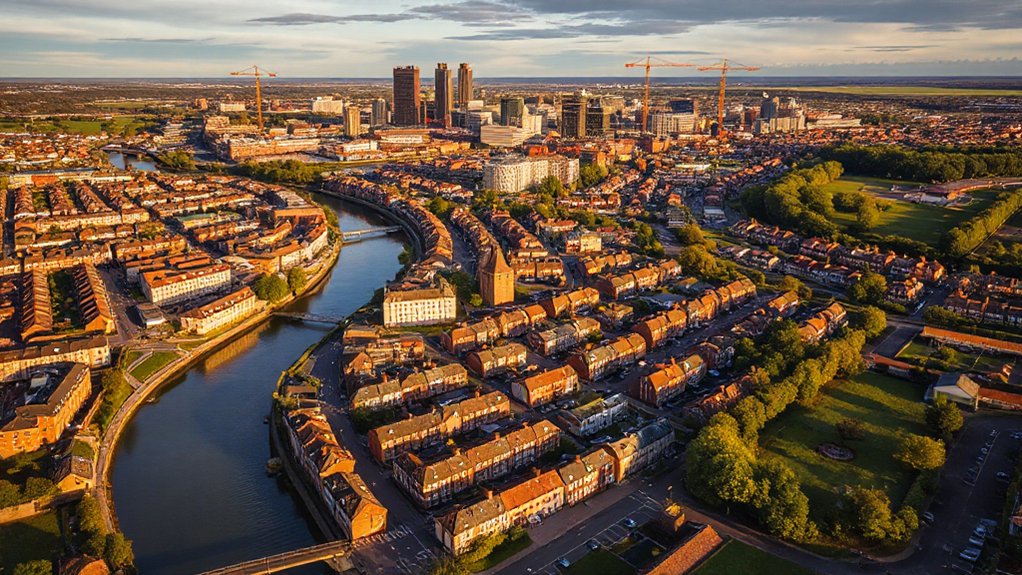
Bristol’s neighborhoods map a broad property spectrum, from transit-rich cores to evolving corridors that blend affordability with growth potential. You’ll see micro-trends by district: dockside zones driving demand through mixed-use refurbishments, suburban belts expanding with new bus corridors, and university-adjacent pockets stabilizing via student-friendly supply.
Historical property values provide a baseline for risk assessment, illustrating cyclical rhythms and resilience during downturns. Urban development data highlights planned rail and housing density increases, signaling faster value capture where infrastructure aligns with demand.
You should prioritize areas with transparent planning pipelines, where building approvals, green space provisions, and flood-plain management are actively published. In forecasting, expect gradual uplift in high-amenity zones, tempered by cost-to-income constraints in mid-market neighborhoods.
Frequently Asked Questions
How Do Interest Rate Changes Impact Bristol Housing Monthly Payments?
Interest rate changes directly raise or lower your monthly payments; when rates rise, mortgage affordability tightens and payments climb, while declines ease budgeting. Expect ongoing volatility from interest rate fluctuations, influencing Bristol housing affordability and payment projections.
What Lender Requirements Are Unique to Bristol First-Time Buyers?
You’ll encounter Bristol-first-time-buyer lender nuances, including stricter mortgage options and local credit criteria adjustments. Expect data-driven progress: lenders favor stable income, elevated deposits, and verified affordability; you’ll optimize options with precise income, debt ratios, and future-proofed plans.
Which Areas Show Best Rental Yields by Property Type?
You’ll find rental hotspots in central/Bristol Bath corridor and university quarters, with high yields from flats and HMOs. Expect property diversity, steady demand, and future growth as infrastructure improves, boosting occupancy and long-term rental performance.
How Does Seasonality Affect Bristol Property Demand?
Like a tide chart, seasonality steers Bristol demand. You’ll see Seasonal fluctuations and buyer activity rise in spring and dip in winter, shaping cycles, enabling you to plan pricing, viewings, and inventory with data-driven foresight.
What Infrastructure Projects Most Influence Future Prices?
Infrastructural upgrades like improved public transport and expanded green spaces predictably lift future prices, you’ll benefit as accessibility rises and livability improves, with data showing price pressure easing near hubs and parks while demand clusters around these enhancements.
Conclusion
You sense Bristol’s pulse in the numbers: steady prices, selective gains, and demand fed by tech, transit, and upgrades. Like a city with a lighthouse, the data points to predictable horizons—slower, steady climbs in high-demand districts, guarded by supply limits and ambitious regeneration. If you chart the trendlines, you’ll see prudent opportunities in walkable cores and capital-light assets. Stay data-driven, stay patient, and position ahead of policy shifts and infrastructure catalysts.