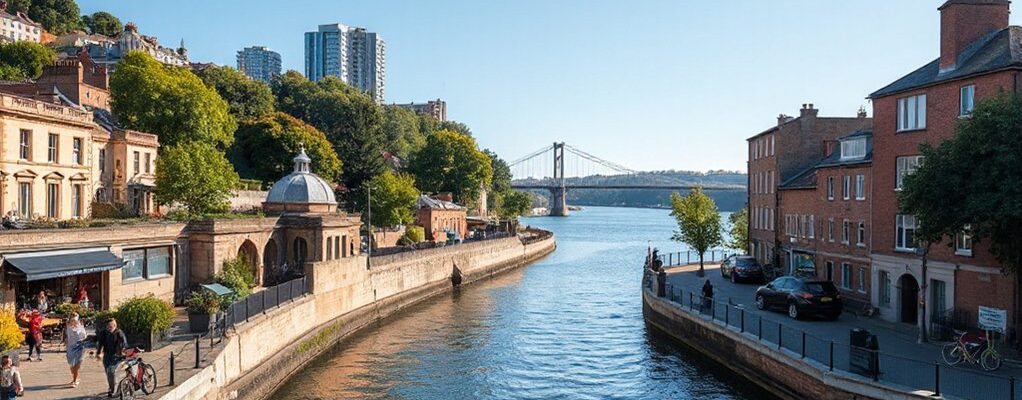
Think of Bristol as a mosaic of neighborhoods where families and professionals converge. You’ll weigh top schools, green spaces, and swift transit against housing options and safety. In North Bristol and near the Harbourside, you’ll find balance between quiet streets and quick commutes. Yet the pace of Clifton and the West End might lure you with city-life perks. What mix of amenities and access matters most to you as you decide where to settle?
How to Choose a Bristol Neighborhood: Family vs Professional Priorities
Choosing a Bristol neighborhood boils down to prioritizing what matters most to you—family stability or career opportunities. You’ll evaluate trade-offs with a data-driven lens: affordable housing, commute times, and school quality factor alongside office proximity.
If family stability is your priority, you’ll weigh Neighborhood safety metrics, crime trends, and access to parks and after-school programs.
If career opportunities drive you, assess proximity to major employers, transit links, and growth sectors, then align with communities offering robust networking and coworking spaces.
Local healthcare access matters too—proximity to reliable clinics and hospitals reduces stress and improves continuity of care.
Balance personal routines with neighborhood vibes, ensuring you can maintain daily life while pursuing professional growth and long-term well-being.
Bristol as a Family Hub: Key Benefits and Considerations
Bristol stands out as a family hub because it blends affordable housing options, strong schooling, and abundant green space with a city’s breadth of services. You’ll find steady school performance, varied housing types, and accessible public facilities that support daily routines and long-term planning.
Key benefits include safe, walkable neighborhoods, dose-appropriate leisure options, and community-led programs that encourage involvement. In practice, families benefit from well-maintained parks, reliable local services, and near-year-round activities that balance cost with quality of life.
Considerations focus on sustaining affordability, maintaining school capacity, and coordinating with councils on safety and inclusivity. For you, the priority is predictable access to education, healthcare, and recreation, all while preserving strong family safety and the option to enjoy child friendly parks.
How Bristol’s Transport Links Benefit Professionals
Bristol’s commuter rail connectivity links you to key hubs, cutting travel times and widening job opportunities.
With City Centre proximity, you’re within reach of meetings, clients, and shared workspaces without long commutes.
Accessibility options for all guarantee dependable transit choices for teams, managers, and remote workers alike.
Commuter Rail Connectivity
Commuter rail links make Bristol a practical hub for professionals who juggle work and family life. You’ll notice quick access from residential areas to major employment districts, with peak-time trains reducing city-center congestion.
In Bristol, rail stations function as anchors, connecting suburban living with urban opportunity while supporting predictable commutes. Travel times into key hubs are reliable, backed by schedule adherence and service frequency that suits early starts and late finishes.
These patterns shape daily routines, enabling you to plan around school runs and meetings without sacrificing productivity. Rail stations also position you near broader networks, enhancing weekend trips and regional collaborations.
City Centre Proximity
Data shows Bristol’s core pulse: quick connections to Temple Meads, Cabot Circus, and the university campuses. You gain reliability on peak days and more productive mornings, with fewer detours.
Urban art enlivens daily routes, giving brief inspiration without leaving the core district. Nightlife scenes nearby support after-hours networking, while still keeping early starts feasible.
The concentration of services means lower car reliance and predictable costs, strengthening budget planning for families and professionals alike. In short, proximity boosts efficiency, community access, and job satisfaction.
Accessibility Options For All
Accessible transport in Bristol translates to real-world time and cost savings for professionals. You’ll notice how bus rapid routes and cycling corridors shorten commutes, freeing hours for families and teams.
Local data show frequent services across central and northern zones, with reduced wait times during peak periods.
Accessibility improvements, like low-floor buses and improved pedestrian crossings, open collaborative spaces for remote workers and clients alike.
Inclusive design decisions at stations and bus stops help you navigate confidently, even with luggage or mobility aids.
Employers benefit from broader talent pools and reliable schedules, while residents report lower stress and better work–life balance.
This community-focused approach guarantees transport links support diverse professional needs.
Inner-City Living for Professionals: Quick Access to Work
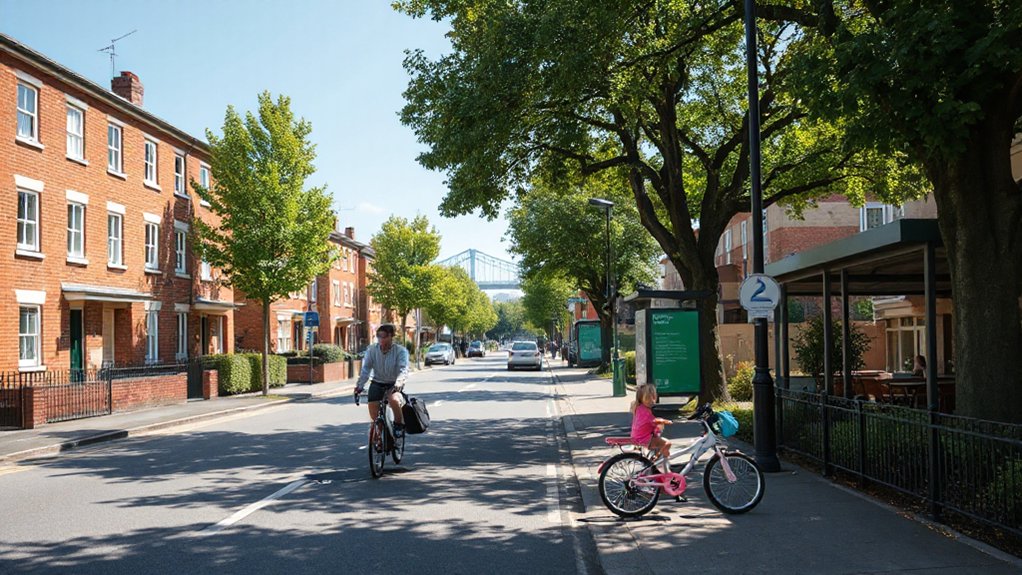
Living closer to your office cuts commute time and stress, with many Bristol hotspots placing you within a short walk or a swift bus ride.
You’ll notice higher daily efficiency when proximity to offices and clear routes mean you can start earlier and end on time.
Let’s explore concrete data on which neighborhoods offer the fastest access and the most reliable paths, so you can weigh options that fit your schedule and community needs.
Proximity To Offices
Even in a city renowned for its maritime history, professionals prioritize quick, predictable commutes, and Bristol’s inner-city zones deliver just that. Proximity to offices shapes daily routines: shorter travel times, reliable public transport, and fewer transfers mean you reclaim evenings for family or study.
In central districts, peak-hour delays drop, while bike lanes and pedestrian routes offer flexible options. The payoff isn’t just speed; it’s predictable schedules that support client meetings, collaboration sprints, and after-work commitments.
You’ll notice a practical rhythm: firms cluster near rails and bus hubs, enabling smoother cross-town visits. Community events and Local markets cluster nearby, reinforcing time-efficient social engagement without expanding your commute.
This balance sustains consistent productivity while maintaining neighborhood significance.
Easy Commute Routes
Because inner-city professionals prize predictable schedules, Bristol’s quickest commutes hinge on direct routes, reliable transit, and bike-friendly corridors. You’ll notice that West End and Harbourside offer frequent bus routes, rapid tram links, and bike lanes that cut travel times by up to 15 minutes during peak hours.
Data shows peak-time averages: under 25 minutes door-to-destination from central neighborhoods to business hubs, with walking segments under 10 minutes to stations.
Local planning supports car-lite living, supplemented by park-and-ride options and late-night services for flexibility. In practice, easy routes align with work hours and after-work routines, including access to Local cuisine and nearby nightlife hotspots for post-work unwind.
Choose areas near transit nodes to maximize reliability, consistency, and daily predictability.
Suburban Hubs for Families: Top Neighborhoods to Consider
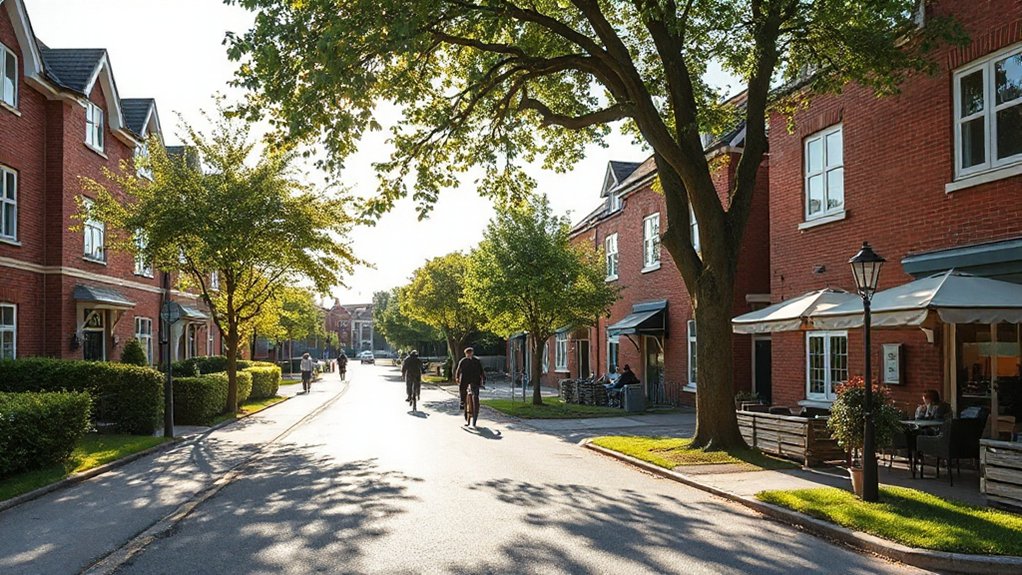
Suburban hubs offer family-friendly balance, with solid schools, safe neighborhoods, and quick access to parks and amenities. You’ll find North Bristol and surrounding towns delivering reliable commute times, strong primary and secondary results, and active youth programs.
In these neighborhoods, parks and green spaces anchor daily life, while local shops and libraries reinforce convenience without sacrificing quiet streets. Data shows high homeownership rates, stable property values, and growing after-school offerings that support working parents.
Community engagement is evident through volunteer initiatives, neighborhood associations, and regular town meetings, which help tailor services to families’ needs. For families seeking balance, these hubs deliver predictable routines, measurable safety metrics, and opportunities to participate in a connected, supportive fabric.
Suburban tranquility remains a key plus, with practical, livable environments.
Waterfront and Riverside Living for Families
You’ll notice that Riverside Parks give families quick green space within easy reach of home, with maps showing typical walk times and age-friendly amenities.
Schools and commutes cluster around key riverside corridors, helping you estimate daily schedules and travel stress.
Local eateries near the water offer kid-friendly options that stay open hours align with family routines, making weekend outings practical.
Riverside Parks Access
Riverside parks give families quick access to open space, safe routes, and waterfront recreation within Bristol’s most walkable zones. You’ll notice that river access is a common thread across prime Riverside areas, with paths linking homes to cycleways and riverfront cafés.
Park proximity translates to frequent, short trips for playdates and picnics, not long drives. Data show higher daytime footfall near the harborside and Cumberland Basin, underscoring reliable green space usage.
Residents benefit from well-maintained facilities, seasonal events, and visibility to local volunteers who sustain the parks. For families, these spots balance active recreation with quiet sits, creating predictable routines.
In practice, you’ll experience safer routes, generous gradients for strollers, and a sense of community around public spaces that catalyze weekend get-togethers.
Schools And Commutes
Across Bristol’s waterfront districts, schooling and commute patterns shape daily routines for families. You’ll find strong primary and secondary options within cycle-friendly zones, with several academies and state schools rated highly by local authorities.
Commute times cluster around key bridges and waterfront hubs, keeping peak trips predictable and manageable for weekday mornings.
You benefit from multi-modal access: buses along the Avon Gorge corridor, ferries during warmer months, and regional trains linking you to Bath, Bath and Bristol stations, and beyond.
Community involvement is active, with school parent groups and neighborhood associations shaping transport sharing and after-school initiatives.
Local amenities cluster near riverside campuses, strengthening walkable routines and drop-off efficiency while supporting balanced family life.
Family Friendly Eats
Bright, family-friendly dining along Bristol’s waterfront and riverside streets centers on quick, affordable options with kid-friendly menus and relaxed atmospheres. You’ll find family dining anchored by placid views, efficient service, and predictable kids’ choices near Harbourside, Clifton, and the Cumberland Basin.
Data shows high-customer satisfaction for venues offering early-bird or weeknight deals, plus visible safety rhythms and stroller-friendly layouts. Parents value venues with easy parking or walkable access, concise menus, and kid zones or activity sheets that reduce wait times.
Community feedback highlights Kid friendly cafes as anchors of social connection, hosting pop-ups and family mornings. For professionals, these spots double as quick, reliable lunch hubs with healthy options and transparent pricing.
Parks, Play Areas, and Green Networks in Bristol
Bristol’s parks, play areas, and green networks offer accessible, well-maintained spaces that support healthy, active lifestyles for families and professionals alike. You’ll find extensive urban parks and water-edge walks that encourage daily movement, with measured maintenance schedules and clear signage.
Green corridors connect neighborhoods, supporting biodiversity while providing safe routes for walking and cycling. Community events and local markets often spill into these spaces, strengthening civic ties and offering low-cost recreation for all ages.
Play areas are typically age-segregated, with modern equipment kept to safety standards and regular inspections documented for residents. Accessibility features and transit links improve inclusion, making it easy to reach green spaces from diverse parts of the city.
Strong Schools in Bristol: Primary and Secondary Options
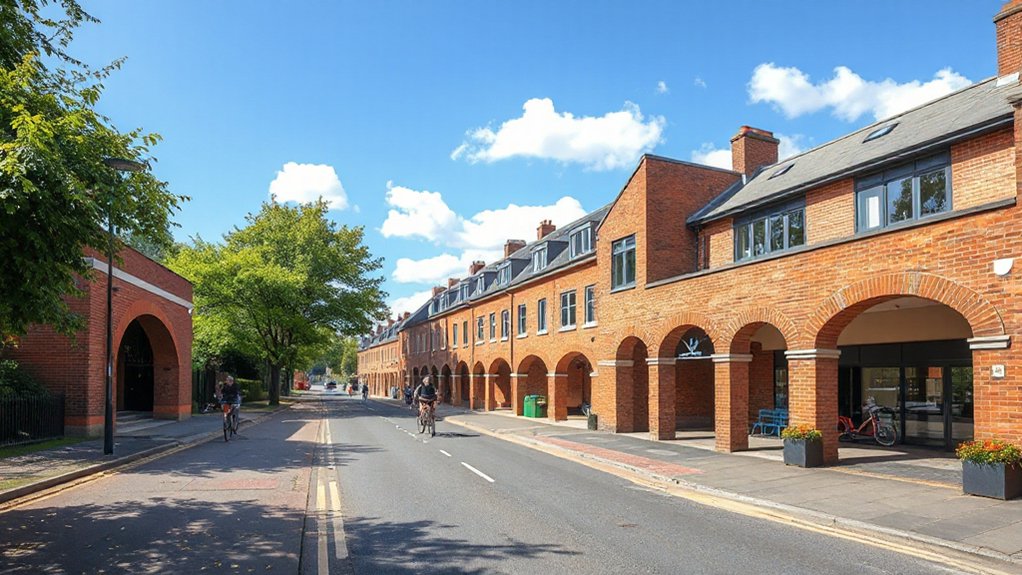
You’ll want to compare Primary School Quality, Secondary School Options, and Local School Performance to gauge what fits your family.
Data on test results, Ofsted/Inspections, and proximity helps you weigh options across Bristol neighborhoods.
This discussion sets the baseline for choosing strong, community-aligned schools that match your needs.
Primary School Quality
How strong are Bristol’s primary schools, and how does that translate to daily life for families? You’ll notice consistent Ofsted ratings and rising test scores across central and outer neighborhoods, with many schools achieving “good” or better ratings and steady improvements in reading and math attainment.
This quality translates to shorter commutes and more predictable drop-offs, giving you reliable morning routines and calmer evenings. In practice, you’ll find strong early years provision nearby, with wraparound care often linked to community hubs.
Neighborhood safety remains a priority for schools and residents, reinforcing trust in local routes and after‑school activities. Alongside quality teaching, access to local amenities—libraries, parks, and community centers—supports balanced family life and ongoing engagement.
Secondary School Options
Secondary schools in Bristol align with strong primary options, offering a clear link between early-year achievement and secondary outcomes. You’ll find a range of secondary education pathways that support varied interests, from academic to technical routes, with catchment policies shaping access.
In Bristol’s neighborhoods, school rankings and inspection outcomes provide practical signals for families prioritizing consistency and progress over time. Performance data frequently show clusters where students sustain steady progress through GCSEs and A-levels, aligning with local university and apprenticeship opportunities.
When evaluating options, you’ll benefit from district-level dashboards, open evenings, and feeder patterns from primary schools you know well. Use current, reputable metrics to compare facilities, pastoral support, and subject breadth, ensuring your choice matches your child’s strengths and future plans.
Local School Performance
School rankings consistently highlight high GCSE scores and sustained Ofsted performance, offering a practical benchmark for choosing neighborhoods. In practice, you’ll find pockets where extracurricular activities flourish alongside core academics, with clubs and sports supporting broader development.
For families prioritizing continuity, proximity to feeder schools matters as much as transit links. Parents benefit from local dashboards that track year-on-year improvements, making your decision data-driven rather than reactive.
Focus on sustained performance, community feedback, and opportunities beyond test results.
Safe Streets and a Community Vibe in Bristol Neighborhoods
Safe streets and a strong community vibe are hallmarks of Bristol neighborhoods, where well-lit routes, visible policing, and traffic-calmed streets reduce risk for families and commuters alike. You’ll notice lower collision rates in well-patrolled areas and clearer pedestrian crossings near schools and parks.
Data show steady declines in crime during evening hours when neighborhoods collaborate with local officers and wardens. Neighborhood safety improves as residents participate in block watches, neighborhood forums, and local safety audits, highlighting proactive, preventive approaches.
Community engagement drives visibility, faster issue reporting, and trust between residents and services. In practice, inclusive events and regular updates keep residents informed, empowered, and connected, reinforcing a shared responsibility for safe streets and a welcoming, cohesive vibe across Bristol communities.
Family-Friendly Amenities: Shops, Libraries, and Community Centers
You’ll see why family-friendly amenities—shops, libraries, and community centers—matter when you map daily routines and kid-friendly options. The data point to higher use of local libraries, larger share of family-oriented shops, and more community programs in neighborhoods with strong resident engagement.
Let’s explore how these resources shape daily life, compared across Bristol’s districts, to identify where families gain the most value.
Family-Friendly Amenities
What makes Bristol’s family life work? You’ll find that shops, libraries, and community centers fuel everyday routines with reliable access, affordability, and safe spaces.
Local data show dense catchment areas for family-friendly retail, while library branches offer extended hours and children’s programs that boost literacy and exploration.
Community centers host affordable classes, drop-ins, and youth activities, reducing friction for busy households.
You benefit from well-connected precincts with walkable amenities, parking near schools, and friendly staff who know families by name.
Community engagement and Local events shape predictable rhythms—story hours, craft mornings, and after-school clubs.
The result is a balanced ecosystem where errands, learning, and social life reinforce one another, creating predictable, nurturing environments for children and caregivers alike.
Community-Centric Resources
How do Bristol’s family-friendly resources come together to support daily life? You’ll see this in shops, libraries, and community centers that align services with local needs.
Data shows clustered amenities reduce travel time for families and boost daytime footfall for small businesses.
Libraries offer free workshops, reading programs, and tech access, while neighborhood centers host after-school clubs and fitness classes, strengthening daily routines.
Community engagement drives volunteer-led initiatives, from food banks to mentorship schemes, expanding safety nets without duplicating effort.
Local events—markets, screenings, craft fairs—create touchpoints that knit neighborhoods together and boost cross-generational interaction.
When resources coordinate, families spend less time steering through services and more time building ties, trust, and resilience.
Quick Commutes: Bristol Neighborhoods With Easy City Access
Bristol’s quickest commutes cluster around well-connected neighborhoods where transit links and road networks converge, letting you reach the city center in minutes. You’ll notice that areas with frequent bus routes, rapid transit access, and walkable cores shorten daily travel and free up time for family life.
Data shows average door-to-door commute times under 20 minutes in several central-adjacent districts, with peak-hour reliability improving as density grows. In these neighborhoods, you’ll also find ready access to Community events and Local markets, reinforcing social ties without extending your commute.
Prioritize zones with planned upgrades to cycling corridors and park-and-ride facilities to sustain quick, predictable journeys. Choose a location that balances fast access with green space and neighborhood services.
Heritage and Character: Historic Bristol Neighbourhoods for Families
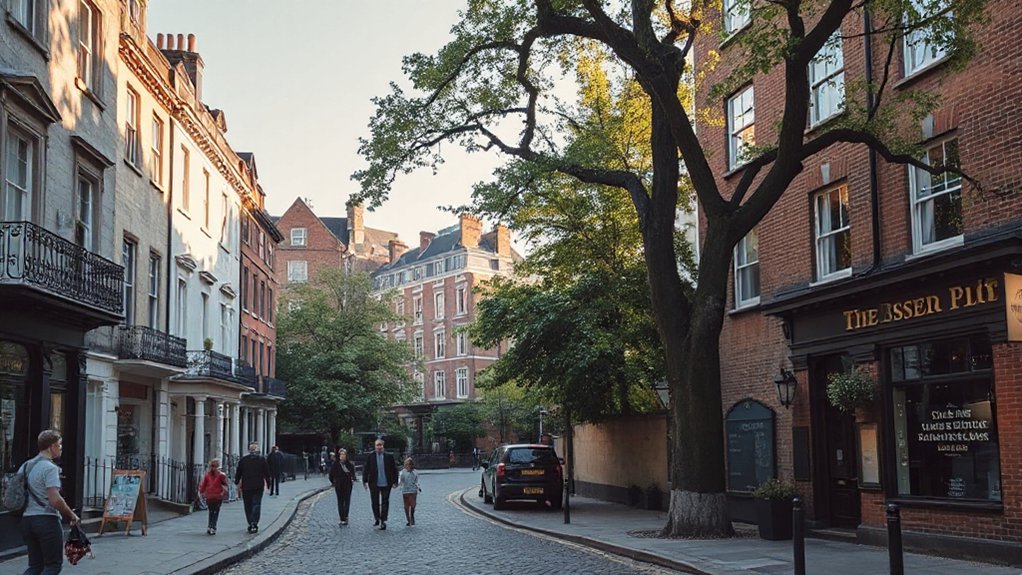
Historic Bristol neighborhoods offer families a sense of place, with preserved façades, tree-lined streets, and schools that anchor community life. You’ll notice historic architecture shaping daily routines, from porch-front homes to well-maintained terraces that invite doorstep chat.
In practice, data shows these areas sustain higher walkability scores and stronger rental demand, driven by proximity to parks, libraries, and active civic life. Neighborhood charm translates into reliable school catchments and enduring community networks, where local associations organize seasonal events and safe routes to school.
For families seeking stability, heritage districts deliver consistent property silhouettes, mature landscaping, and storied streetscapes that reinforce identity. By prioritizing these districts, you balance character with practical access to services, transport links, and long-term value.
New Builds and Modern Living in Bristol
Housing developments across We The City’s corridors and outlying suburbs push high-density, walkable neighborhoods without sacrificing green space. You’ll notice contemporary materials, modular construction, and adaptable floor plans that grow with you.
Data shows quicker occupancy rates in new builds and higher energy ratings, translating to lower utility costs. Community benefits include improved cycle routes, nearby amenities, and shared spaces that support social ties.
This focus on targeted density, transit access, and durable design makes Bristol’s new builds resilient and forward-thinking without losing local character.
Green Living: Sustainability-Focused Bristol Areas
Green living in Bristol centers on neighborhoods that prioritize low-energy homes, efficient transport, and local stewardship. You’ll find districts leaning on retrofit schemes, district heating trials, and microgrids that cut reliance on imported energy.
In practice, expect high-performance builds, improved insulation, and smart controls that slash bills and emissions. Local councils publish data on cycling uptake, bus reliability, and walkability scores to help you compare areas quickly.
Community-led groups coordinate urban gardening plots, tree stewardship, and zero-waste initiatives, strengthening social ties while boosting local biodiversity.
Renewable energy projects—solar farms, rooftop arrays, and shared storage—often pair with voltage optimization to reduce peak demand.
If you want transparent metrics, you’ll see neighborhood energy dashboards, monthly updates, and citizen-led sustainability reports guiding informed choices.
Budget Guide: Affordable to Upscale Bristol Neighborhoods
If you’re balancing cost with quality of life in Bristol, this Budget Guide highlights neighborhoods that range from affordable family-friendly hotspots to upscale enclaves with strong commuter appeal.
You’ll find affordable housing in outer districts where schools perform well and commute times stay reasonable. In central pockets, mixed-use zones offer better value and shorter trips to work centers, helping offset higher prices with convenient services.
For luxury neighborhoods, you’ll notice established streets, top-rated أمس schools, and villa-style homes, often with tighter security and curated amenities.
Data shows rental and purchase trends shift by proximity to the harbor, parks, and rail lines, underscoring the trade-offs between price and access.
Use this guide to align budget, lifestyle, and neighborhood fit in Bristol.
Cultural Hotspots With Kid-Friendly Appeal in Bristol
Bristol’s cultural scene offers plenty for families, where museums, theaters, and outdoor events spark curiosity without breaking the bank. You’ll find Cultural hotspots across central districts and leafy suburbs, with many venues offering family-friendly programs, free days, and rotating exhibitions.
Key benefits include consistent calendar activity, strong public transit access, and affordable ticketing options for kid-friendly venues. Data shows improved attendance at interactive exhibits, hands-on workshops, and storytelling sessions, making culture approachable for early learners and school-age kids alike.
Community partners collaborate with libraries and schools to extend programming, maximizing reach while containing costs. When planning outings, prioritize venues with hybrid schedules (afternoon/early evening) and stroller-friendly layouts to keep trips smooth and engaging.
Sports, Clubs, and After-School Networks in the City
Sports facilities in city centers host badminton, football, swimming, and martial arts, often sponsoring junior programs that align with school schedules. Club memberships provide structured training, access to coaches, and social ties that support consistency and motivation.
Community leagues frequently partner with schools, creating seamless progressions from lessons to practice. Data shows higher participation where transport links and after-school adapters exist, underscoring the need for affordable, nearby options.
Prioritize facilities with transparent pricing, proven safety records, and responsive administration to maximize value.
Fresh Air and Open Space: Best Bristol Areas for Outdoor Families
Bright air and ample green space define Bristol’s best outdoor-friendly neighborhoods, where parks, river paths, and urban greenscapes invite families to explore close to home. You’ll notice urban parks like Castle Park and Ashton Court’s grounds offering safe, graded play areas, plus bike-friendly paths along the Avon.
For outdoor activities, you’ll find riverside walks, open fields, and woodland trails that connect schools, libraries, and community centers within minutes. Neighborhoods with council-managed green space report higher daytime air quality and lower noise impact, supporting year-round outdoor play.
You benefit from easy access to fenced playgrounds, seasonal outdoor events, and maintained gardens that host family-friendly programs. These factors translate to daily, measurable improvements in well-being, mobility, and neighborhood cohesion.
What to Consider for Work-Life Balance in a Bristol Area
Balancing work and life in Bristol hinges on practical access to commuting options, flexible workplaces, and local amenities that support daily routines. You’ll want areas with reliable public transit, bike paths, and reasonable drive times to major employment hubs.
Compare work-life dynamic factors like after-work activities, childcare availability, and school pickup windows to your schedules. Prioritize affordable housing near transit, plus safe parks and libraries for midday breaks.
Assess local coworking spaces that offer flexible terms, and check whether employers support hybrid or remote options—these shape your work life stability.
Look for communities with predictable service levels, strong neighborhood networks, and responsive councils. Your balance priorities should align with commute reality, family needs, and the rhythm of weekly responsibilities.
Frequently Asked Questions
What Makes a Bristol Neighborhood Truly Family-Friendly?
A Bristol neighborhood is truly family-friendly when you access safe streets, reliable schools, and close proximity to urban parks and local amenities; you’ll rely on data, feel community support, and enjoy practical, walkable daily routines.
Which Areas Offer the Best Value for Families?
Affordable housing offers, affordable housing options, and affordable housing accessibility—areas with strong schools, safe streets, and active neighborhoods. You’ll value local parks, reasonable rents, good transport links, and data-driven insights guiding family-friendly decisions in Bristol.
How Do Transport Options Affect Daily Commutes for Professionals?
Public transit speeds your commute and road connectivity shapes door-to-door reliability for professionals. You’ll notice shorter overall durations, fewer delays, and clearer timetables when transit coverage and road links are optimized in Bristol’s key corridors.
Where Are the Top Schools and Extracurriculars in Bristol?
Top schools thrive in Bristol’s top-tier districts, delivering strong scores and steady growth. You’ll access local sports programs and art and music classes, plus community-centered clubs, superb staff, and solid extracurriculars supporting family-focused, data-driven decisions.
Which Neighborhoods Balance Safety, Amenities, and Community Vibe?
You’ll find neighborhoods balancing safety, amenities, and community vibe, with Local parks and Shopping districts shaping daily life. You’ll note consistent crime and school data trends, walkability, and resident surveys guiding choices for family-friendly, resource-rich areas.
Conclusion
In Bristol, you don’t have to choose between good schools and quick commutes—you can have both. Data shows families gravitate to areas where double-digit greenspace per resident and near-station access cut school runs by up to 15 minutes. Communities in North Bristol and near Harbourside blend safety, parks, and transit, while Clifton-area living keeps professionals close to jobs. Prioritize balance: strong schools, easy transit, and open space, and your daily routine becomes a win for all.