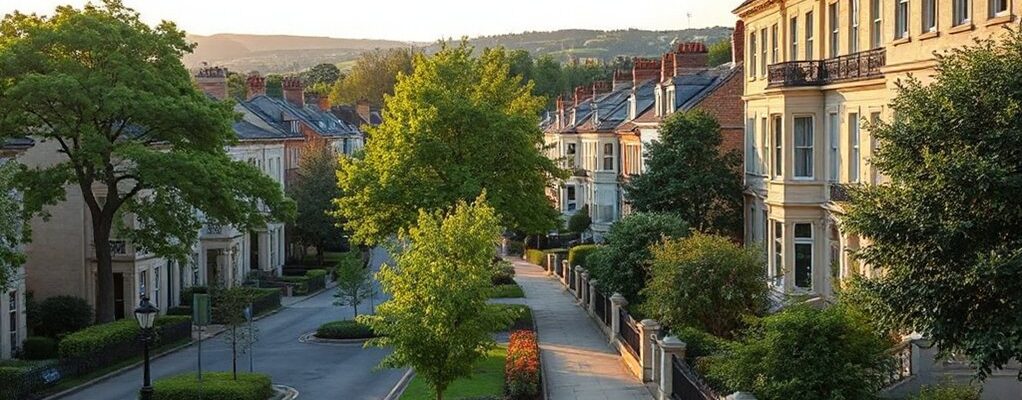
There’s a theory that Cheltenham’s best areas balance value, access, and vibe, but does that hold across 2026 forecasts? You’ll see central districts near culture and transport rank high for convenience, while developing outskirts offer price momentum and new amenities. Family zones emphasize safety and schools, yet still keep you connected to green spaces. If you want a clear comparison of returns, commute times, and lifestyle perks, you’ll want to weigh these patterns against your goals.
Why Cheltenham Shines in 2026
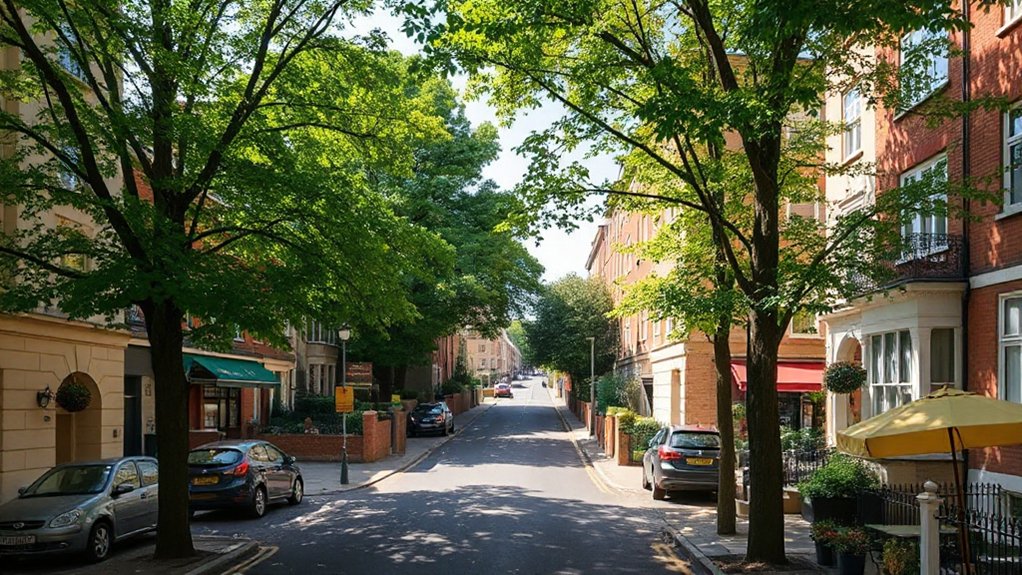
Cheltenham shines in 2026 because its housing market, amenities, and connectivity outpace many peers, delivering a balanced mix of value and quality. You’ll notice a tighter spread between entry prices and rental yields versus regional rivals, with luxury apartments offering premium finishes in well-connected districts.
Public transport and cycle routes boost daily convenience, translating into higher occupancy stability for investors and homes that stay productive over time. Among benchmarks, historic landmarks anchor higher-than-average tourist footfall and steady demand from professionals seeking character-driven living.
Comparative data show resale values tracking inflation-adjusted growth, while new-build schemes avoid steep premium penalties seen in other markets. You gain a diversified, resilient profile where cultural assets and modern housing align with practical cost efficiency and long-term desirability.
Family-Friendly Cheltenham Neighbourhoods on the Rise
If you’re evaluating Cheltenham’s growth, you’ll notice several family-friendly neighborhoods rising in prominence due to better schools, safer streets, and expanded green space, all backed by recent planning outcomes and rental stability data.
In this rising cohort, you’ll compare districts by school catchments, commute times, and affordable housing stock, targeting areas with consistent updates to zoning and public services.
The data point to calmer streets near mixed-use corridors and green buffers that support everyday family routines.
Relative performance shows higher school attainment in select catchment zones, while rental yields remain stable or improving, signaling long-term affordability.
Strategically, prioritize neighborhoods with transparent planning notes, ongoing park redevelopment, and robust community engagement to balance growth with livability.
Best-Value Cheltenham Areas for First-Time Buyers and Investors
Here are the best-value Cheltenham areas for first-time buyers and investors, based on recent price trajectories, rental yields, and development momentum. You’ll notice affordable housing creeping into emerging neighborhoods, where entry costs and rent returns align with growth forecasts.
In year-over-year pricing, certain outskirts show steadier gains and shorter pressurized cycles, suggesting lower downside risk. Compare cap rates: midtown-adjacent zones deliver stronger yields for buy-to-let, while refurbished pockets eastward release value through improved infrastructure.
For first-time buyers, look for neighborhoods with upfront discounts and planned amenity upgrades, not just cooling prices. Investors should track development momentum—new schools, parks, and retail hubs correlate with rental demand.
Cheltenham Neighbourhoods With Easy Commutes to Town Centre
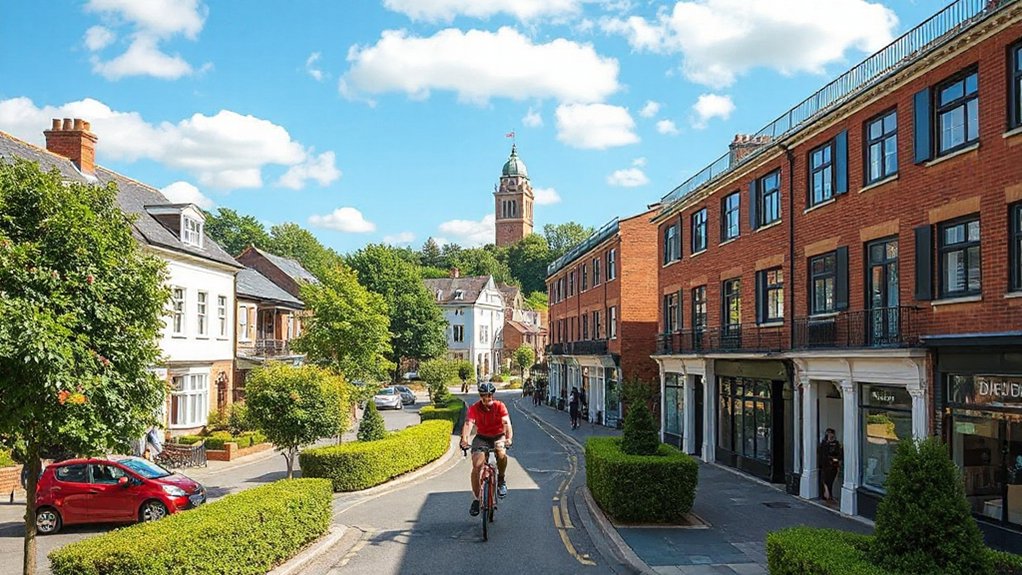
Accessible commutes make certain Cheltenham neighborhoods stand out for town-centre access. You’ll compare travel times, rail and bus frequencies, and walking distances to the High Street. Shorter door-to-door commutes correlate with higher daily productivity and better evening flexibility.
In data terms, areas within roughly 20 minutes of the town centre via public transport links consistently outperform slower corridors, especially when paired with reliable services on weekdays. You’ll weigh residential amenities—local shops, gyms, and childcare—as multipliers for value and convenience.
Consider housing stock mix, timetable reliability, and interchange options to reduce transfer delays. The strategic takeaway: prioritize neighborhoods with robust transit reliability, frequent service windows, and accessible public spaces that support quick centre access.
Best Spots for Culture, Green Space, and Local Amenities
Cheltenham isn’t just about easy commutes; it also rewards you with culture, green space, and robust local amenities. You’ll compare neighborhoods by access to Local art venues, outdoor parks, and shopping clusters, then decide where culture and nature converge best.
In the central to east corridor, you’ll find higher per-capita cultural events and a denser array of Historic landmarks, suggesting stronger walking access to heritage sites.
The stratified data shows Cheltenham Spa and Charlton Kings outperform on green space per resident, with Hyde Park-like parks and tree-lined avenues supporting health metrics.
For amenities, you’ll note mixed-use precincts deliver practical density, while village pockets offer boutique services.
Frequently Asked Questions
How Do Housing Costs Vary by Cheltenham District in 2026?
Housing costs vary by district: Luxury apartments command higher rents in Historic districts, while newer or suburban zones offer more affordable options. You’ll pay a premium in historic districts, with contrastive, data-driven increases versus mixed-use and luxury developments.
Which Areas Balance Safety With Rapid Property Appreciation?
Areas balancing safety with rapid appreciation: you’ll want luxury apartments in historic districts, outperforming peers—yet stabilizing crime and price trends. You compare districts, hedge risk, and choose hotspots where safety and rapid growth collide.
What Are Average School Catchment Boundaries in Top Areas?
School zoning boundaries vary by district; catchment zones shift with upgrades. You’ll compare top areas by radius, noting average catchment spans, grade sizes, and pupil flow, then weigh implications for your choice and long-term property value.
How Has Public Transport Access Changed in the Last Year?
Public transport upgrades boosted service frequency and routes, and commuter accessibility improvements reduced transfer times. You’ll notice faster buses and trains, plus better evening coverage; compared year over year, you gain more predictable travel times and broader reach.
Which Neighborhoods Retain Character While Offering Modern Amenities?
You’ll find neighborhoods that retain historic architecture while offering modern amenities, and you’ll compare data on walkability, schools, and safety, noting which areas balance historic charm with new development, local cultural spots, and rising resident satisfaction.
Conclusion
You’ll notice Cheltenham’s pattern: central, well-connected spots outperform outer layouts on value and commute. Compared to 2024, family pockets show stronger schools and safer streets, while new developments boost affordable options for first-time buyers and investors. In tech terms, walkability and transit reliability tilt higher toward town-center arteries, yet green corridors win on quality of life. In short: optimize mixed-use cores, measure ROI via school ratings and park access, and beware a stray DeLorean-sized delay from cultural festivals.