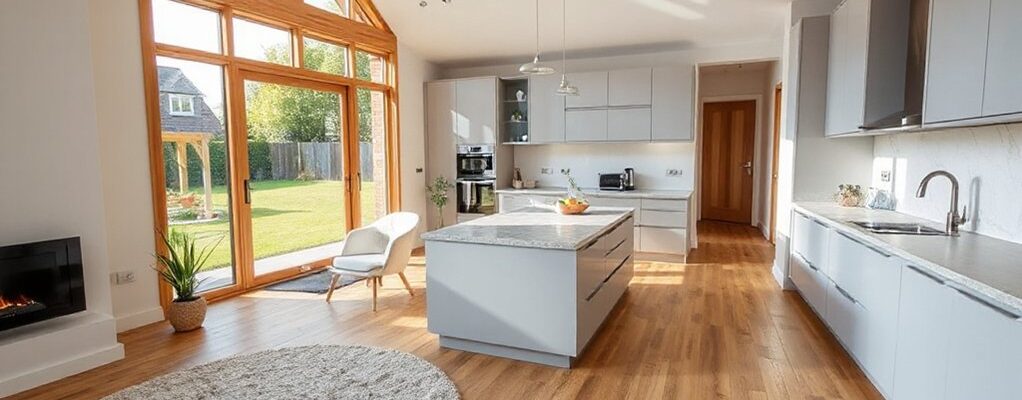
When you’re upgrading a new-build in Manchester or Leeds, start with high-impact, long-term savings: insulation, efficient heating, and smart controls that lower bills from day one. Layer in durable, timeless fixtures for kitchens and baths, and pick widely supported tech for easy maintenance. Consider smart home integration and layered lighting to boost comfort and resale value. Ready to map out cost, timing, and ROI, while aligning with local vibes and builder constraints? Let’s plan.
Value-First Upgrade Framework for Manchester/Leeds Homes
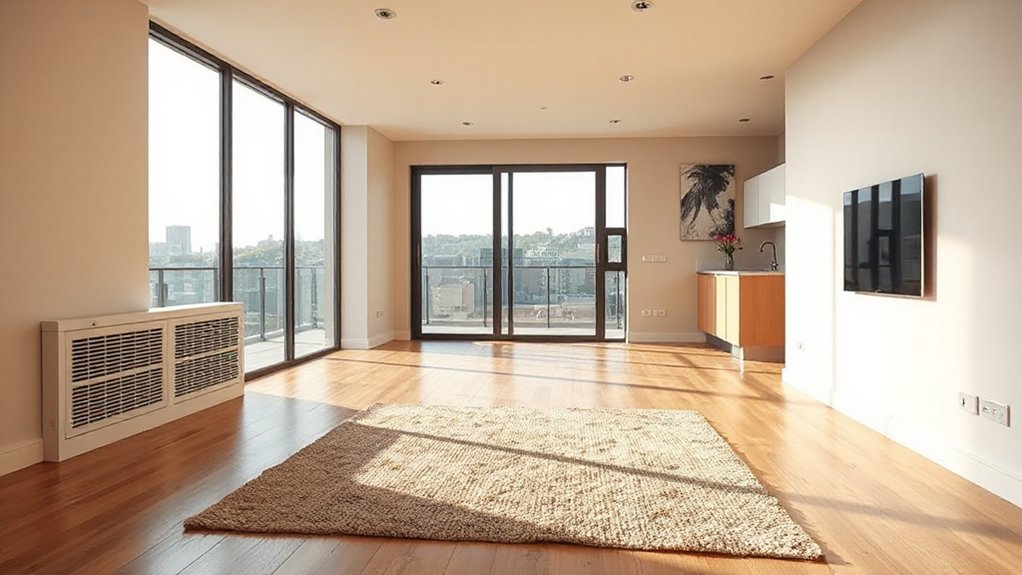
The Value-First Upgrade Framework for Manchester/Leeds Homes prioritizes high-impact, cost-efficient improvements that buyers value most. You start by mapping neighborhood character and align each upgrade with what buyers expect in the local market.
Focus on elements that boost curb appeal, interior flow, and perceived quality without overbuilding beyond the area’s norms. Before selecting upgrades, verify local building codes to ensure compliance and avoid costly rework.
Choose materials and finishes that deliver durable performance and aesthetic consistency with nearby properties. Channel your decisions toward practical payback: quick installation, minimal disruption, and clear return on investment.
Track costs against anticipated resale value, adjusting for market drift. This framework keeps upgrades targeted, transparent, and aligned with buyer preferences, while staying within regulatory boundaries.
Highest-Payback Energy Upgrades for Long-Term Savings
To boost long-term value without overbuilding, focus on energy upgrades that pay back fastest in Manchester and Leeds markets. You’ll want high-impact, verifiable improvements that reduce utility costs and boost resale appeal.
Prioritize airtightness first, using proven insulation methods and careful detailing to minimize drafts and heat loss. Pair this with efficient heating upgrades—condensing boilers or heat pumps where conditions allow—to maximize operating savings.
Add smart controls that optimize run times and zone heating for real-world comfort. Consider renewable incentives to lower upfront costs and shorten payback timelines, then quantify annual savings to confirm value.
Choose upgrades with trackable performance data, ensuring installers provide post‑installation testing. Align choices with long-term energy goals and local climate patterns for durable gains.
Smart-Home Essentials for Modern Northern Living
Smart Home Hubs and Energy-Efficient Lighting set the foundation for a streamlined, responsive home. You’ll want a hub that centralizes control and safeguards reliability.
Plus, lighting that trims power use without sacrificing comfort. Start by outlining your must-haves, then map how each device interoperates to boost convenience and efficiency.
Smart Home Hubs
Pairing a smart home hub with your new build in Manchester or Leeds streamlines daily life: you’ll control lights, climate, security, and entertainment from one central interface, with scenes that adapt to your routines. A hub centralizes devices, reducing app clutter and setup time.
Choose a model with robust voice control and strong device integration to match existing gear, from speakers to cameras to thermostats. Prioritize compatibility across ecosystems, so future upgrades require minimal fuss.
Set routines for weekdays and weekends, syncing wake, home, and away modes to your schedule. Confirm local processing or reputable cloud support for responsive commands.
Security features matter: multi-factor access, firmware updates, and privacy controls should be straightforward. In practice, a thoughtful hub simplifies management, saves energy, and keeps your home reliably coordinated.
Energy-Efficient Lighting
Energy-efficient lighting is a natural progression after you’ve grouped your devices in a smart hub, because lighting accounts for a sizable share of home energy use. You’ll optimize with LEDs, dimmers, and smart controls that adapt to routines and natural daylight.
Choose warm, consistent color temperatures for living areas and cooler tones for task zones, ensuring you don’t clash with decorative fixtures. Prioritize dimming and scheduling to reduce waste during evenings and overnight hours.
Install motion sensors in hallways and entryways to cut idle power without sacrificing safety.
Integrate Ambient lighting with layered sources—task, accent, and decorative—so you can shift moods without changing fixtures. Plan layouts that maximize coverage, minimize glare, and preserve architectural details.
Luxury Bathroom and Kitchen Upgrades That Impress
For a luxury bathroom and kitchen upgrade that truly impresses, focus on cohesive design, premium fixtures, and smart layouts that maximize both visual impact and everyday usability. You should prioritize seamless material transitions, accent lighting, and durable finishes that withstand Manchester and Leeds conditions.
Select luxury fixtures that blend form and function—think rain showers, freestanding baths, and precision faucets that reduce splash and waste. In the kitchen, opt for integrated appliances, soft-close cabinetry, and a work triangle that reflects your daily routines.
Embrace bespoke designs to tailor storage, niches, and seating to your space, ensuring a timeless feel. Pair tactile surfaces with digital controls for effortless comfort, efficiency, and long-term value.
Emphasize quality over trend to sustain appeal.
Budgeting Essentials: Costs, Timelines, and ROI
Let’s map your project: start with clear costs and a realistic timeline for each upgrade, focusing on essentials you’ll actually use.
Track ROI early by linking spend to value—think energy savings, resale appeal, and tenant comfort—to keep decisions aligned with your budget.
Costs and Timelines
Costs and timelines form the backbone of any upgrade plan, so you’ll want a clear budget that captures upfront investment, ongoing savings, and a realistic project window. You’ll map costs by category—structural, systems, finishes—and set a contingency to cover unforeseen issues.
Timeline accuracy comes from breaking work into phases, sequencing tasks, and aligning trades to avoid idle gaps. Expect permit review, scheduling, and procurement milestones to shape your start date and finish.
Keep a running log of changes that affect cash flow, so you can adjust priorities without derailing the schedule.
Consider two keywords: Construction permits and Interior decoration. Permit hurdles influence timing more than you anticipate, while interior decoration decisions often shift completion dates.
Balance ambition with practicality to protect ROI and enjoyment of your new space.
ROI and Budgeting Essentials
To make smart decisions, you’ll anchor your budgeting around three pillars: upfront costs, ongoing savings, and measured ROI, then align them with a realistic timeline.
You’ll quantify initial outlays for fixtures, finishes, and labor, then forecast monthly savings from energy, maintenance, and efficiency improvements. Track payback windows; set milestones for when ROI becomes positive and when upgrades reach full value.
Financial planning means testing scenarios—best case, moderate, and contingency—so you’re prepared for delays or price shifts. Consider renovation incentives, such as tax breaks or grant programs, and how they alter your timeline and return.
Document all assumptions, monitor variances, and adjust as data arrives. This disciplined approach keeps projects affordable, accelerates value capture, and guides strategic decisions about future remodeling.
Matching Upgrades to Local Vibes and Builder Constraints
When upgrading a new build in Manchester or Leeds, start by aligning choices with local vibes and the builder’s constraints to avoid costly reworks later. You’ll map how Cultural influences shape finishes, fixtures, and overall feel without overcustomizing beyond what’s practical.
Check Local building codes early, documenting required clearances, fire ratings, and energy standards to prevent late-stage disputes.
Prioritize upgrades that travel well between plots—neutral palettes, durable materials, and modular fittings—so scalability isn’t sacrificed for style.
Communicate with the site team about load limits, plumbing routes, and electrical tray positions to minimize rework.
Favor widely supported products and suppliers to simplify warranties.
Finally, draft a phased plan: essential, recommended, and optional upgrades, aligned to budget cadence and builder contingencies.
Frequently Asked Questions
Which Upgrades Boost Resale Value Fastest in Manchester/Leeds?
You’ll boost resale value fastest by installing smart technology and energy efficient appliances, prioritizing systems that cut utility costs and appeal to buyers. Invest strategically in smart thermostats, lighting, security, and high-efficiency kitchen and laundry appliances.
How Do Climate Patterns Affect Insulation Choices Locally?
In Manchester’s climate, climate impact guides your insulation choices; you’ll prioritize continuous, airtight insulation for efficiency. Like a case study where a row house cut heating needs by 30%, you boost insulation efficiency with tailored gaps filled.
Are There Regional Grant or Incentive Programs for New Builds?
Yes, you can access government incentives and regional grants for new builds. You’ll want to review eligible schemes, apply early, and coordinate funding with builders, ensuring you maximize total subsidies while meeting construction and energy-performance requirements. Prioritize your project milestones accordingly.
Which Builders Use Sustainable, Locally-Sourced Materials?
Did you know 70% of buyers value eco friendly materials? Several builders use sustainable, locally sourced options. You’ll gain local sourcing benefits, choosing eco friendly materials that reduce transport miles, support nearby suppliers, and lower overall project costs.
How Soon Can Buyers Recover Upgrade Costs in Rental Income?
You can typically recover upgrade costs within 5–15 years, depending on rental demand and energy savings. Energy efficiency and smart technology boost appeal, shorten payback, and help you command higher rents while reducing operating costs.
Conclusion
In Manchester and Leeds, choose upgrades that pay off over time. Prioritize insulation, efficient heating, smart controls, and layered lighting to slice bills and boost comfort. Pair practical durability with premium kitchens and baths for lasting appeal. Timeline plans, upfront budgeting, and predictable maintenance keep projects smooth. Adopting a smart-home backbone helps future-proof without overcomplicating life. Remember: slow and steady wins the race—“one brick at a time builds a wall.”