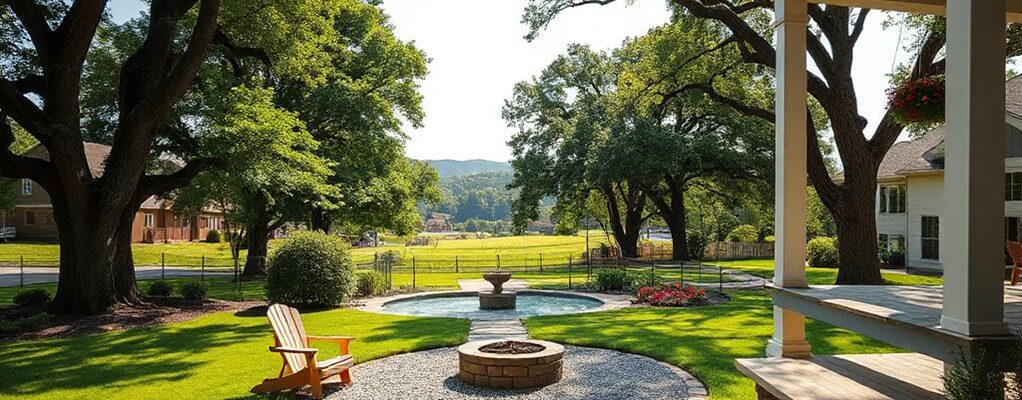
If you’re buying a home for outdoor space, you’ll want to weigh affordability, green areas, and predictable climate across counties. Look for places with big yards, plentiful parks, and accessible trails, plus safe neighborhoods and steady amenities. Coastal counties offer milder days, while inland spots tend to deliver larger land parcels. Start with a balanced mix of value, access, and long-term growth—and you’ll see why the right county choice matters as you plan weekends, family time, and future equity.
Key Takeaways
- Prioritize counties with ample, accessible green spaces, parks, trails, and waterfront access to enhance outdoor living and habitat protection.
- Favor suburban counties offering large lot sizes, affordable housing, strong schools, and diversified amenities like playgrounds and shaded picnic areas.
- Compare coastal and inland options based on climate comfort, recreational access, land size, and resilience to extreme weather.
- Evaluate long-term development signals (parks, transit, greenways) and market indicators (prices, permits) to gauge sustainable appreciation.
- Use data-driven scores combining open space per resident, walkability, commute times, and resilience factors to identify top counties.
What Makes a County Ideal for Outdoor Space
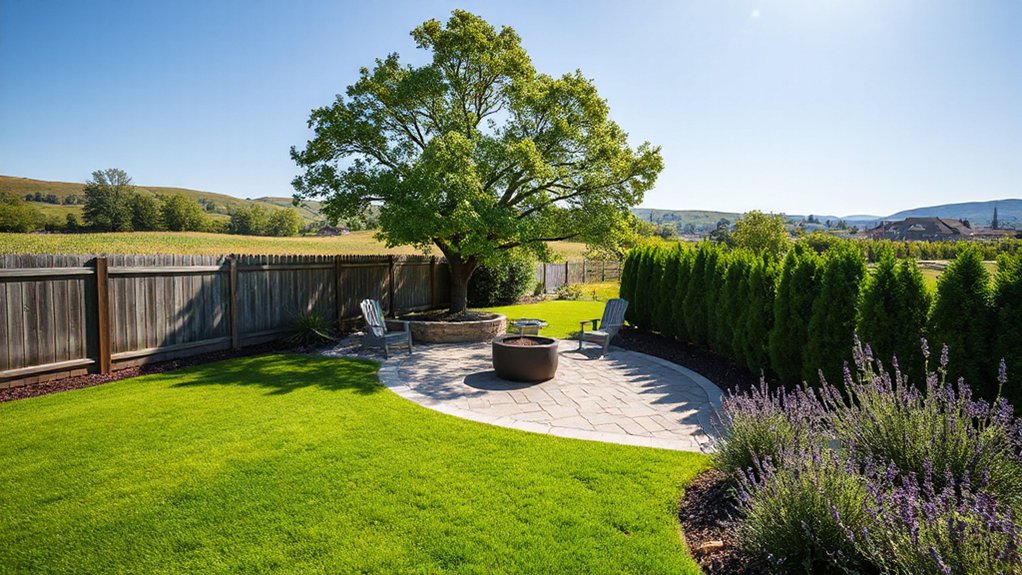
A county is ideal for outdoor space when it balances ample, accessible green areas with housing that supports outdoor living. You’ll notice generous urban green spaces that anchor daily activity, parks, trails, and shade, all within easy reach of homes.
Population density matters: too dense creates crowding, too sparse reduces amenities. Successful counties pair high-quality parks with walkable streets, safe sidewalks, and flood-safe landscapes, boosting outdoor time.
Waterfront properties add value when shoreline access is public or near-public, with maintained paths and views that don’t compromise habitat.
Data shows stronger outdoor engagement where green space per capita exceeds regional norms and where property markets reward proximity to parks and water. In those areas, residents report higher satisfaction, better air quality, and resilient, multi-use outdoor environments.
Key Criteria for Outdoor-Space Value
Accessibility includes proximity to sidewalks, stair-free paths, and street parking or entry comfort.
Size matters for spring-summer entertaining, gardening, and privacy, but diminishing returns appear beyond a certain threshold.
Quality covers surface condition, drainage, vegetation health, and maintenance needs.
Data points you’ll weigh: maintenance costs, climate suitability, and seasonal usability across urban gardens and mountain retreats.
Consider sun exposure, wind protection, and irrigation practicality.
Visual appeal and safety unpin value, yet objective metrics guide decisions.
In practice, anchor your choice with consistent measurements and scenario testing for daily life.
Affordable Counties With Big Yards
You’ll find large yards and space to roam without breaking the bank. Low prices meet ample lot size, making budget-friendly options more common than you might expect.
If you want space abounds, these counties pair affordability with room to grow.
Large Yards, Low Prices
Are you chasing affordability without sacrificing space? In counties with large yards and low prices, you’ll find generous lot sizes at thoughtfully lower costs per square foot.
Data shows average home prices in these areas trail state and national medians, while median yard sizes exceed 0.25 acres in many markets.
You’ll notice a clear trade-off: slightly longer commutes or rural amenities offset by superior outdoor living value.
Homes with sizeable green space invite garden design experiments and seasonal landscaping, often at a fraction of urban cost.
Expect flexible layouts, potential for fenced play areas, and room for outdoor furniture clusters.
If you value privacy and room to expand, these markets deliver practical, measurable outdoor living potential.
Space Abounds, Budget-Friendly
Space is plentiful in affordable counties with big yards, where you’ll get more outdoor space per dollar than in many pricier markets. You’ll notice larger lots, lower price-per-square-foot, and steady appreciation in suburban and exurban counties with room to grow.
Data show affordable counties often stack value: modest homes paired with mature trees, wide setbacks, and usable outdoor areas. Average home sizes remain practical, while taxes stay reasonable in many of these markets.
Urban gardens thrive on smaller footprints within city-adjacent counties, leveraging community programs and soil-friendly zoning. Rooftop terraces add usable square footage for entertaining or quiet mornings.
If you prioritize space without breaking the bank, target counties with diversified housing stock, strong schools, and ongoing infrastructure investments to sustain long-term value.
Counties Known for Parks and Trails
Data show consistent maintenance budgets, frequent seasonal upgrades, and clear wayfinding. You gain predictable access to paved multi-use paths, protected green belts, and community playgrounds that support urban families.
In these counties, urban agriculture plots and community gardens blend with recreational spaces, boosting local food education and fresh produce availability. Outdoor fitness programs, free classes, and organized runs populate the calendar, encouraging year-round activity.
With strong public transit links to parks, you’ll experience lower car reliance and higher neighborhood livability.
Coastal vs Inland: Climate and Outdoor Life
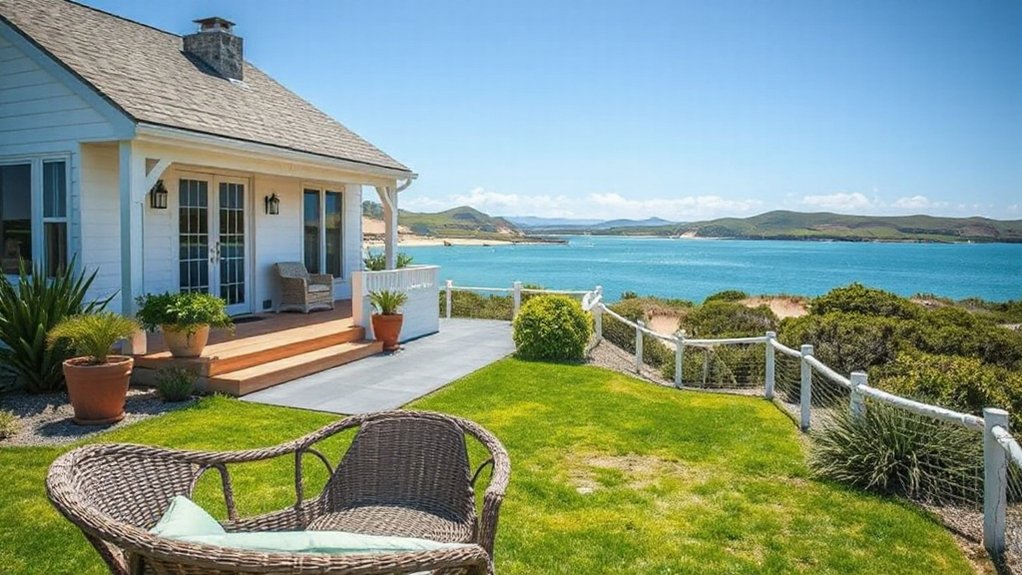
Coastal and inland counties differ most in climate patterns and outdoor opportunities. You’ll notice milder year‑round temps near the coast, with ocean influence moderating extremes, while inland areas address hotter summers and colder winters.
Beach climate tends to support year‑round outdoor activities like walking beaches, kayaking, and coastal hikes, yet humidity and wind can shape comfort levels.
Inland weather often brings greater temperature swings, clearer skies, and drier air, boosting sun exposure for daytime projects and backyard sunbathing.
In terms of outdoor life, coast counties typically offer diverse access to water‑adjacent recreation, maritime culture, and shore ecosystems, whereas inland counties emphasize larger land parcels, drought resilience, and expansive vistas.
Your choice hinges on preferred seasonal comfort, outdoor timing, and proximity to beaches or lakes.
Family-Friendly Outdoor Living Counties
You’ll want counties that offer family-friendly outdoor spaces, from safe neighborhood amenities to welcoming playgrounds.
Look for strong park proximity access and well-maintained trails that encourage daily activity.
This discussion will compare neighborhoods by access, safety, and practical outdoor features that matter to families.
Family-Friendly Outdoor Spaces
You’ll find urban green corridors integrated with neighborhood greens, offering quick access to trails, picnic spots, and outdoor classrooms that support daily routines. Look for counties with scalable recreation centers, fenced playgrounds, and well-lit sidewalks that encourage after-school activity without long commutes.
Private gardens, where permitted, add personal outdoor classrooms and meal prep spaces, boosting curb appeal and privacy. Data show higher resident satisfaction in areas with interconnected park systems and consistent maintenance budgets.
This combination helps families balance safety, engagement, and affordable outdoor living.
Safe Neighborhood Amenities
Safe neighborhoods matter when you’re shopping for family-friendly outdoor living. You’ll notice clear data signals: lower crime rates, strong school performance, and active neighborhood associations that publish crime and safety updates.
In counties with robust safety metrics, residents report higher satisfaction and lower stress, which correlates with steadier housing turnover.
Urban density plays a role: dense areas concentrate amenities, but too much density can challenge privacy; the best counties balance access with quiet pockets, delivering walkable streets without congestion.
Housing affordability remains a key constraint: counties with safe amenities often show affordable entry points relative to regional medians, enabling families to invest in outdoor features like fences, patios, and green spaces.
Prioritize neighborhoods with transparent safety dashboards and consistently funded public services.
Park Proximity Access
Park proximity is a top differentiator for family-friendly outdoor living counties. You’ll find homes where parks are within easy walking or biking distance, translating to more daily recreation, lower commute times for outdoor activities, and higher overall quality of life.
Data shows that counties with accessible park networks tend to correlate with stronger school programs and safer neighborhoods, especially near trail systems and playgrounds. Look for quantified metrics like average park distance, trail length per square mile, and hours of open space per resident.
Urban development in these areas often prioritizes multi-use greenspaces, reducing car dependence and boosting walkability. Wildlife conservation initiatives nearby protect pollinators and local habitats, enhancing long-term ecosystem resilience and outdoor enjoyment.
Rural Scenic Counties With Easy Commutes
Population growth remains steady, with households prioritizing land for gardens and modest acreage. Data shows reliable broadband in many areas, supporting remote work and local entrepreneurship.
Urban development patterns concentrate around key corridors, while rural centers expand services to sustain growing neighborhoods. Technological innovations in agriculture and logistics improve efficiency, lowering operating costs for remote workers.
If you value clean air, lower crime, and a predictable pace, these counties offer measurable quality without sacrificing connectivity.
Suburban Counties With Parks and Amenities
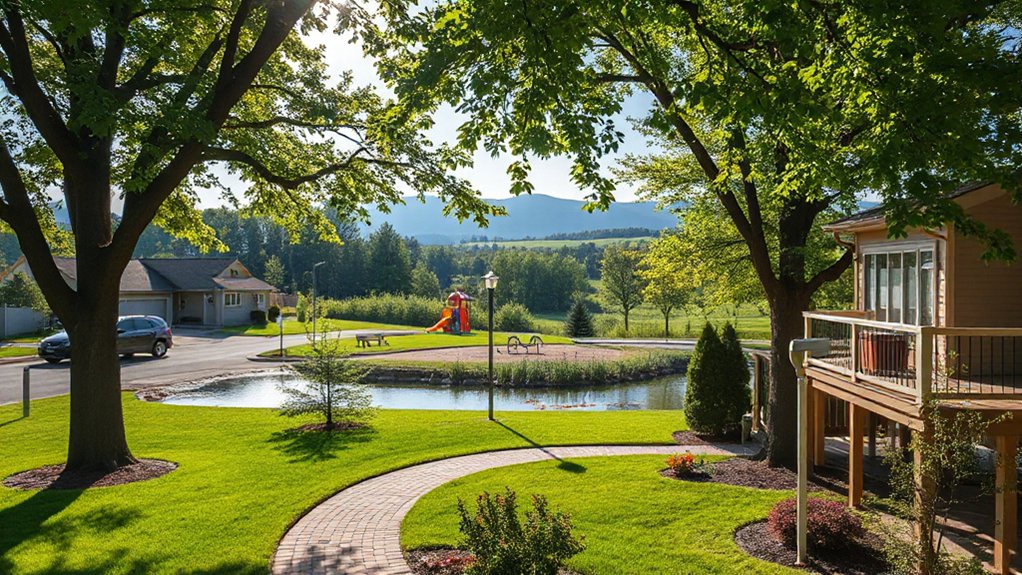
When you’re weighing suburban counties, parks and playgrounds plus easy access to amenities shape daily life as much as price.
Data show higher-quality outdoor spaces correlate with stronger resale value and shorter commutes to recreation, shopping, and healthcare.
You’ll gain clarity by comparing park perimeters, trail networks, and amenity access across neighborhoods to pinpoint where outdoor living fits your budget and lifestyle.
Parks And Playgrounds
If you’re prioritizing outdoor spaces, suburban counties with ample parks and playgrounds deliver immediate value: nearby green spaces, well-maintained play areas, and ready-made recreation options that boost daily quality of life.
In these areas, park density often correlates with pedestrian-friendly neighborhoods and seasonal programming, supporting family activities and spontaneous exercise. Data show higher residential satisfaction when green amenities are within a short walk, reducing drive time for recreation.
You’ll notice diverse amenities, from shaded picnic spots to splash pads and nature trails, appealing to both kids and adults. Urban wildlife emerges near preserved buffers, while gardening opportunities thrive in community plots and school partnerships.
These features strengthen neighborhood cohesion and property desirability without demanding major extra investment.
Suburban Amenities Access
Data show average commute-adjusted access of under 10 minutes in top suburban markets, with well-distributed pocket parks and multi-use paths expanding connectivity.
Urban density plays a key role: moderate density supports 15–20 minute access without sacrificing quiet streets.
Look for areas where commercial development sits along transit corridors, creating walkable hubs that feed the park network rather than competing with it.
In practice, strongest counties blend buffered greenways, accessible recreation centers, and mixed-use districts that keep daily needs within a short stroll or bike ride.
Long-Term Value: Real Estate Trends
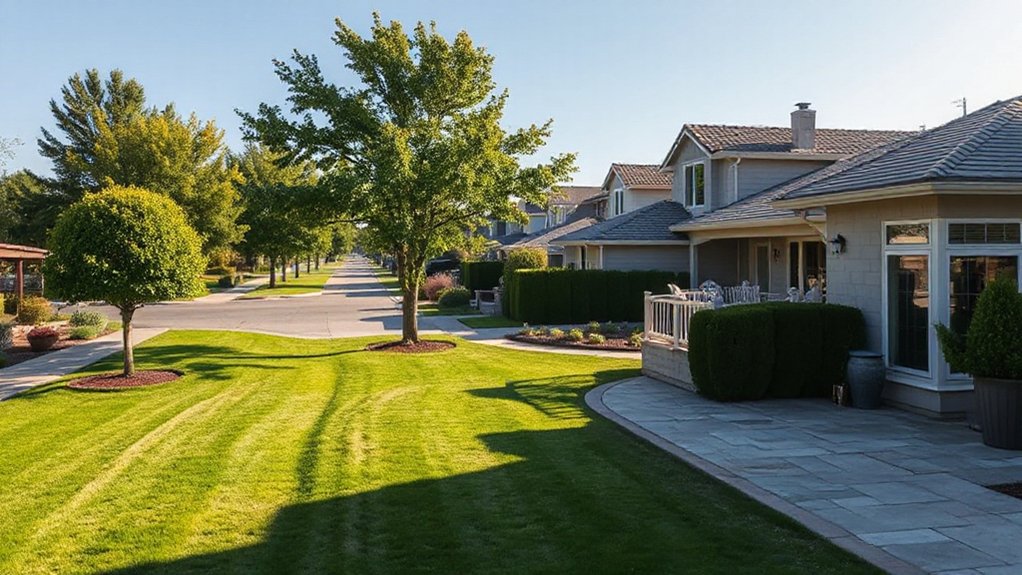
Long-term value hinges on broader real estate trends, not quick price swings. You’ll gauge county prospects by tracking supply-demand cycles, mortgage rate trajectories, and demographic shifts that influence demand for outdoor-space properties.
Urban development signals—new transit, parks, and commercial nodes—often lift surrounding values, while overbuilding can cap growth. You’ll also monitor vacancy rates, rent trajectories, and home-permit data to avoid crowded markets with dwindling returns.
Real estate investment success hinges on quality through-cycle resilience: counties with diversified economies, stable job growth, and prudent land-use planning tend to outperform when rates rise or prices waver.
Align your search with markets showing sustainable appreciation, not speculative spikes. Use data-driven benchmarks to compare counties, prioritizing fundamentals over recent headlines.
Compare Counties: How to Pick Your Best Fit
When comparing counties to buy with outdoor space, start by listing your non-negotiables (price range, lot size, access to parks, and commute).
Next, quantify each factor: median home price, typical lot size, and average drive time to work.
Compare urban development trajectories—density plans, new park projects, and protected greenways—to gauge future quality of life.
Examine zoning regulations to understand buildability, setbacks, and accessory dwelling rules that affect space customization.
Use a side-by-side grid to track which counties meet your thresholds and where compromises occur.
Consider school districts, crime rates, and municipal services that influence usability of outdoor areas.
Finally, weigh risk factors like market volatility and permit delays, choosing a county whose pace aligns with your outdoor-space priorities and lifestyle.
Start Your Outdoor-Search Plan Today
Begin today by translating your criteria into a concrete outdoor-search plan: map your non-negotiables, assign target ranges for price, lot size, and drive time, then set a timeline for inspections and park access checks.
You’ll benchmark options against urban development trends, noting proximity to trails, parks, and future infrastructure projects. Build a compact scoring rubric: cost efficiency, lot dimensions, and commute reliability.
Validate each county’s environmental conservation rules, plus approvals for fenced spaces and water access. Prioritize communities with transparent zoning and clear park-planning timelines.
Schedule walkthroughs during varying conditions to assess shade, drainage, and noise. Track data sources, updating your plan as new sales, appraisals, or permit notices surface.
This disciplined approach speeds decisions and aligns outdoor gains with sustainable growth.
Frequently Asked Questions
How Does HOA Policy Affect Outdoor Space Value?
HOA policy can limit features and maintenance, reducing outdoor space value. You’ll face HOA restrictions and outdoor space restrictions that can curb deck, garden, or patio upgrades, potentially lowering resale appeal and appraised value. Consider reserve funds and rules.
Which Counties Have the Best Water-Access Options?
Waterfront recreation signals foremost value: you’ll find top water-access counties with robust boating access, plentiful launch points, and steady river-to-coast options; you data-locate hotspots, compare miles of shoreline, and pick districts maximizing your water adventures.
What Tax Incentives Exist for Outdoor-Home Improvements?
Tax incentives vary, you can pursue landscaping grants and property tax breaks for outdoor-home improvements; check federal, state, and local programs, evaluate eligibility, match project scope, and document costs to maximize potential deductions and grant approvals.
How Quickly Do Outdoor-Property Values Rebound After Market Dips?
You’ll see outdoor-property values rebound quickly after dips, often driven by buyer demand and erosion of supply, with luxury amenities and neighborhood safety restoring appeal within months to a couple of quarters.
Which Counties Offer Year-Round Outdoor Activity Guarantees?
You’ll find counties with year-round outdoor activity guarantees where urban parks and mountain trails align with climate data, accessibility, and maintenance. You’ll enjoy consistent access to urban parks, mountain trails, and well-supported green networks across seasons.
Conclusion
You’ll roll up to greener living and smarter choices. In counties with big yards, you’ll see average lot sizes exceed 0.25 acres, while parks per square mile rise by 15–30% compared to national norms. Coastal counties offer milder temps and longer outdoor seasons, inland areas deliver space and drought-resilient landscaping, and trail-rich suburbs boost property values. Start your plan today, compare costs, climates, and amenities, then choose the outdoor-loving community that fits your budget and lifestyle.