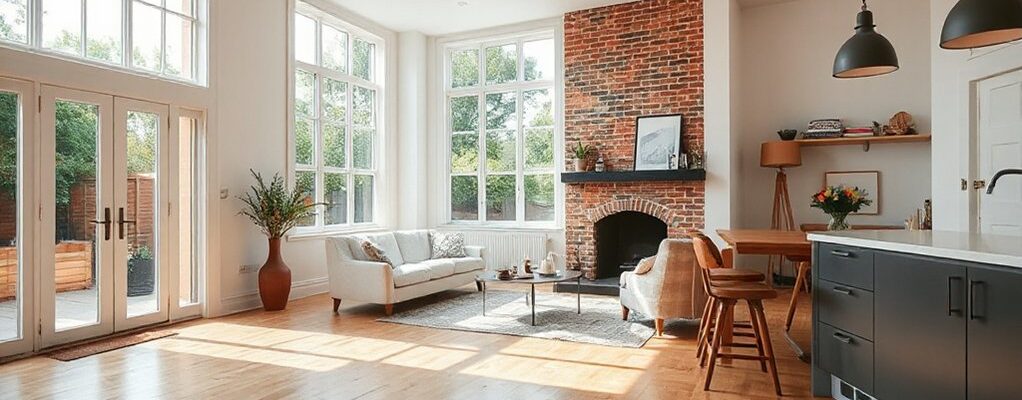
You’re evaluating the best renovation moves for buyers in Birmingham, focusing on curb appeal, interior flow, and long-term efficiency. Start with practical, high-impact upgrades that respect historic character while boosting value. Consider cost ranges and neighborhood demand to prioritize projects with the strongest ROI. Curious which upgrades align with period homes and modern comfort—and how to implement them without overinvesting? Let’s map out a disciplined plan that guides your next steps.
Boost Birmingham Curb Appeal With These Renovations
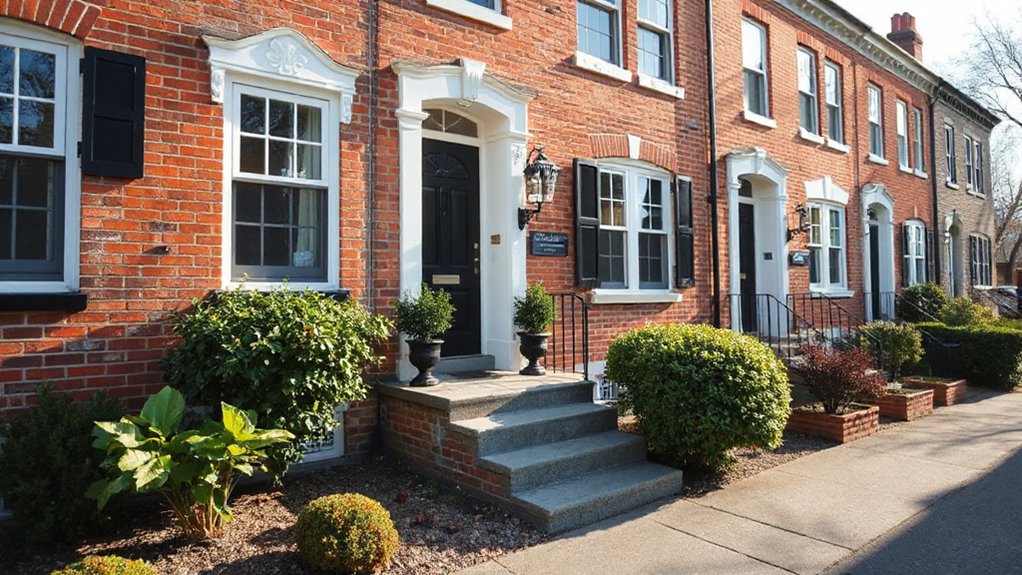
Boosting curb appeal in Birmingham starts with a clear, targeted plan. You’ll prioritize exterior features that first impressions hinge on, then align those choices with value and durability.
Begin with garden landscaping that frames your home’s architecture, selecting native plants for low maintenance and year-round interest. Define sightlines from the street to focal points, and guarantee color, texture, and scale complement the façade.
Next, invest in outdoor lighting to extend usability and safety; pair ambient ground lighting with functional pathway lamps to highlight key textures and entryways. Maintain contrast between dark mulch and bright plantings to create depth.
Schedule seasonal refreshes to keep your curb appeal resilient against weather and time. Consistency across landscaping and lighting signals a well-considered, investment-worthy exterior.
Birmingham Renovation Budget Ranges: What to Expect
Understanding typical Birmingham costs helps you gauge what to budget before you buy, with clear differences by property type and scope.
You’ll want to anticipate hidden renovation fees that can crop up late in the process, affecting your overall math.
This discussion sets the baseline for budgeting ranges, so you can evaluate options with confidence.
Typical Birmingham Costs
Typical Birmingham renovation budgets vary widely, but you can expect clear ranges by project scope and property type. In general, you’ll see modest cosmetic updates at the lower end, mid-range improvements for functional upgrades, and thorough overhauls for targeted modernization.
For historic homes, costs rise due to structural and compliance considerations, so plan for higher contingencies and specialized trades.
Energy efficiency upgrades—such as insulation, high-efficiency HVAC, and windows—often yield long-term savings and can influence budgeting decisions, sometimes balancing upfront costs with future reductions.
Remodeling timelines depend on access, permits, and contractor availability, so align expectations with permitting queues and seasonality.
Always document scope changes, compare quotes precisely, and prioritize high-return improvements that preserve character while improving performance.
Budgeting By Property Type
Budgeting by property type in Birmingham hinges on where you fit in the market. Your renovation budget depends on targeted neighborhoods, home value bands, and loan or equity leverage you can command.
When you’re eyeing entry-level homes, allocate more for essential updates, interior systems, and energy efficiency, then plan for a smaller scale refresh.
For mid-range properties, expect higher finishes, kitchen and bathroom upgrades, and durable materials that preserve appraisal value.
If you pursue premium districts, budget for structural enhancements, premium fixtures, and professional design services, since resale delta matters more.
Consider Property tax implications on improved value and how they affect annual carrying costs.
Finally, prioritize contractor selection early, vetting bids to balance quality, schedule, and total project cost.
Hidden Renovation Fees
Hidden renovation fees can creep in even with a clear budget, so you should anticipate them as part of your Birmingham project planning. In practice, hidden costs emerge from scope creep, permit delays, and utility upgrades, all of which can shift your final price upward without warning.
Start with a detailed baseline and then stress-test it against common Birmingham realities, like aging infrastructure and local inspection requirements. Build a contingency of 10–15% for unexpected work, and document every change order to avoid disputes.
Track supplier and contractor margins, excavation risks, and disposal fees that routinely surface late in the process. By recognizing renovation surprises upfront, you protect your overall budget, maintain timeline integrity, and keep your Birmingham project focused on value rather than surprises.
Smart Tech for Period Homes Without Losing Charm
Smart tech can enhance a period home’s functionality without erasing its character, but success hinges on thoughtful integration. You balance modern convenience with preservation, prioritising discreet solutions that respect historical detailing.
Start with smart technology integration that targets energy efficiency, security, and comfort while maintaining authentic aesthetics. Choose high-quality, retrofit-ready devices that tuck into existing furniture, walls, and fixtures, minimizing visual impact.
Involve period home preservation principles: preserve original hardware, preserve plasterwork, and avoid conspicuous alterations.
Use scalable, centralized systems to reduce clutter and simplify maintenance. Favor devices with brushed metal or muted finishes that blend with timber and stone tones.
Plan for future upgrades without rewiring or invasive changes. Test compatibility with passive cooling, heating controls, and lighting to sustain charm while boosting reliability and value.
Interior Refreshes That Lift Birmingham Home Values
You can lift Birmingham home values by updating key interior elements with purpose, starting with a strategic paint color refresh that brightens spaces and enhances perceived size.
Pair that with floorplan flow improvements to reduce wasted movement and improve natural light, which buyers notice in tours.
These focused updates set the stage for measurable value gains without major renovations.
Paint Color Refresh
A fresh coat of paint can dramatically lift a Birmingham home’s appeal, making spaces feel brighter and more open without a major remodel. You should choose colors with intent, guided by color psychology to influence mood, perceived space, and buyer perception.
Neutrals like warm grays, taupes, and off-whites anchor rooms, while accent shades in public areas can guide flow and highlight architectural features.
Prioritize paint durability in high-traffic zones; choose washable, scuff-resistant finishes for hallways and kitchens to maintain a pristine look between showings.
Consistency across living spaces strengthens cohesion, reducing buyer cognitive load.
Test swatches under natural light to confirm true tone throughout the day.
Document the palette for agents, ensuring quick, confident buyer decisions.
Floorplan Flow Enhancements
Floorplan flow is the backbone of a polished Birmingham resale. You’ll maximize value by prioritizing logical, connected spaces that guide foot traffic efficiently.
Focus on clear sightlines between kitchen, dining, and living areas to create an intuitive open floorplan feel without sacrificing function. When you optimize traffic flow, consider doorway widths, hallway layouts, and the removal of unnecessary barriers that hinder movement.
Aim for flexible spaces that adapt to daily life and entertaining alike, rather than fixed, cramped rooms. Use transitional zones—small foyers, mudrooms, and optional dining nooks—to delineate functions without breaking sightlines.
Prioritize natural light, accessible storage, and proportional room sizes to enhance perceived space, which strengthens buyer appeal and reinforces the premium associated with well-planned floorplans and open floorplans.
Which Birmingham Neighborhoods Deliver the Best ROI?
When evaluating ROI across Birmingham neighborhoods, focus on price appreciation, rental demand, and renovation-ready inventory. You’ll want to compare areas with steady appreciation trajectories, consistent rent growth, and supply of updated homes ripe for value-add projects.
Prioritize neighborhoods with documented investment activity, where recent comps show measurable returns on renovation ROI and quick absorption in both sale and rental markets. Consider proximity to amenities, schools, and transit, as these factors boost demand and price momentum.
Look for markets with transparent housing turnover and a track record of disciplined renovation costs that protect margins. This helps you identify where neighborhood investment yields the strongest ROI, balancing risk and reward.
Use data-driven metrics to validate your renovation strategy over time.
Start Here: A Practical Birmingham Renovation Plan
You’ve assessed Birmingham neighborhoods for ROI; now, you’ll map a practical renovation plan that turns those insights into action. Begin with a focused scope: target high-impact upgrades that elevate value without overcapitalizing. Prioritize Historic preservation where possible, preserving facade character while upgrading structural elements.
Assess energy efficiency first—insulation, air sealing, efficient windows, and HVAC modernization—to reduce operating costs and attract quality tenants or buyers.
Create a phased timeline aligned to budget cycles, starting with essential repairs, then insulation and systems, followed by cosmetic refreshes that enhance curb appeal.
Use a data-driven approach: measure expected ROI from each improvement, compare retrofit costs, and document energy savings.
Finally, secure permits, choose reputable contractors, and maintain detailed records to support resale and ongoing maintenance.
Frequently Asked Questions
How Do I Finance Renovations Without Overextending My Budget?
You can finance renovations by evaluating Renovation budgeting seriously and choosing smart financing options. Start with a clear cap, compare lenders, use low-interest options, consider a home equity loan, and avoid overextending by staging projects and tracking costs closely.
Which Permits Are Required for Common Birmingham Renovations?
You’ll need building permits for most Birmingham renovations and must respect renovation restrictions. Verify with your local planning office; obtain approvals before starting. Failing to do so risks fines, project delays, and possible requirement to restore original conditions.
What Are the Best Energy-Saving Upgrades for Older Homes?
Insulation upgrades and window replacements are your key energy savers: they curb heat loss, slash bills, and boost comfort. You’ll see steady gains as drafts shrink, systems run efficiently, and long-term value rises through careful, strategic upgrades.
How Long Does a Typical Birmingham Renovation Take?
A typical Birmingham renovation takes several weeks to a few months, depending on scope. You’ll manage a clear Renovation timeline and detailed project planning, balancing permits, trades, and contingencies to stay on schedule and minimize disruption.
Which Contractors Offer Reliable Warranties in Birmingham?
Warranty providers vary, but you should verify contractor reliability before signing. Seek providers with strong repair guarantees, transparent terms, and solid customer reviews; compare coverage, exclusions, and durations to guarantee dependable, long-term protection for your Birmingham project.
Conclusion
You’ll notice a coincidence: the exact upgrades you’d pick for curb appeal align with those buyers expect at resale, and the same smart tweaks that save money now win long-term value later. By prioritizing neutral interiors, durable finishes, and discreet tech, you’ll boost flow and efficiency without sacrificing Birmingham’s charm. Start with a practical plan, allocate a realistic budget, and time your updates to match market demand—your renovation pays off when a ready-to-move-in home catches the right eye.