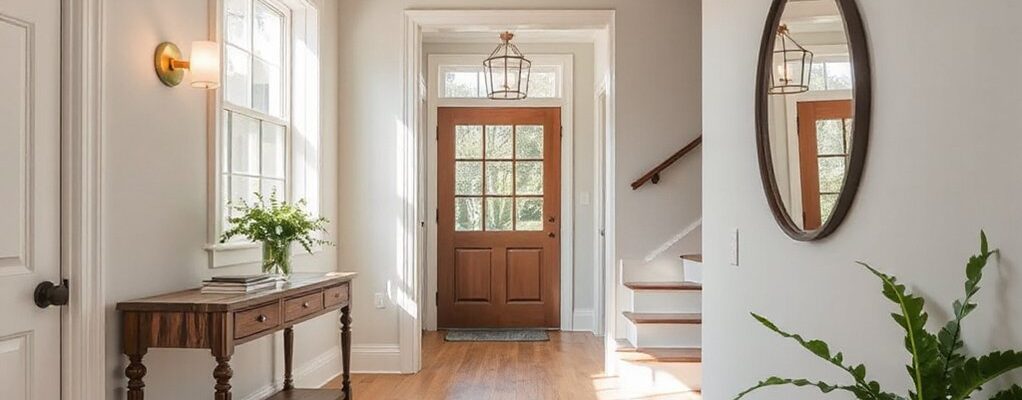
You might not realize how a few neutral paint tones can dramatically shift the feel of a dated space without a full makeover. You’ll get practical, budget-friendly steps—from swapping hardware to smarter lighting—that minimize disruption while maximizing impact. Think about how small layout tweaks and durable surfaces can refresh flow and longevity. Ready to explore clear, doable tweaks that keep the character your home deserves while feeling renewed, but you’ll want to see what comes next.
Key Takeaways
- Refresh visuals quickly with cohesive paint, layered lighting, and updated hardware to transform spaces without major renovation.
- Improve flow through simple layout tweaks like removing nonessential walls and using partial partitions to define zones.
- Focus on energy efficiency and comfort with window sealing, weatherstripping, and affordable treatments before full replacements.
- Update fixtures, textiles, and storage with coordinated finishes and modular storage for an instantly refreshed look.
- Prioritize measurable goals and budget, documenting decisions and including a 10–15% contingency for smooth, value-driven upgrades.
Start Here: Define Your Budget and Goals
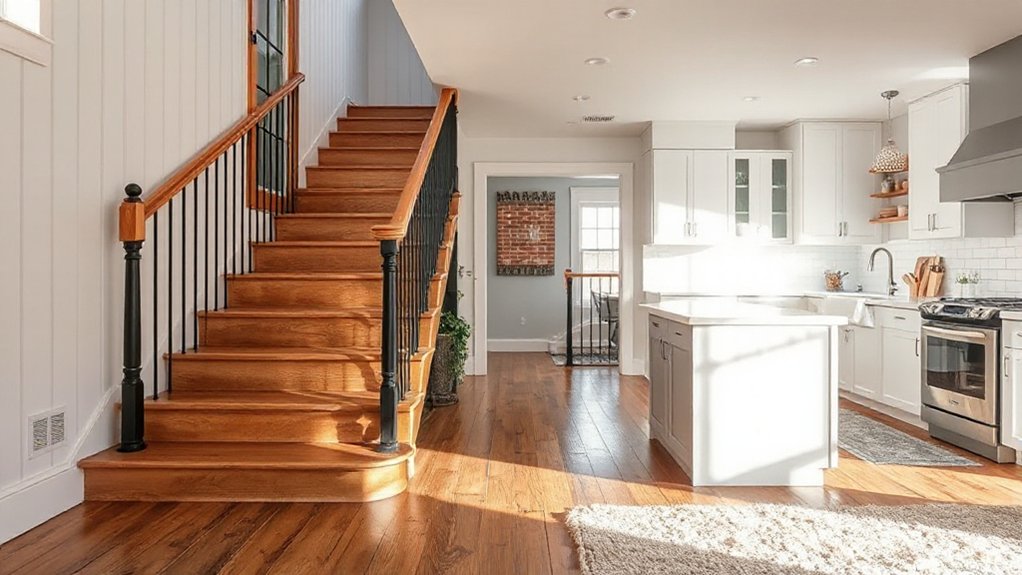
Before you pick colors or pull out tools, define your budget and goals. You’ll map what matters most: how you’ll use the space, which features must stay true to the home’s character, and your maximum spend. Set clear, measurable goals—improve flow, increase storage, or restore a key architectural detail—so decisions stay rooted in purpose.
Prioritize items that support historical preservation and architectural integrity, then allocate funds to the items that deliver the most value without overreaching. Create a simple scope list with exclusions to prevent scope creep.
Research costs for core components, especially trades that understand older homes. Establish a contingency of 10–15%. Document decisions, timelines, and approvals now rather than later. You’ll gain confidence, direction, and a realistic path forward.
Refresh Visuals Fast: Paint, Lighting, and Hardware
Refresh visuals fast by focusing on three high-impact updates: paint, lighting, and hardware. You’ll quickly transform spaces with minimal disruption. Choose cohesive color schemes to unify rooms, and consider an accent wall to add depth without overhauling furniture. Pick finishes that reflect the room’s purpose and texture.
- Paint: select a neutral base and one bold accent color to create contrast and polish.
- Lighting: swap outdated fixtures for ENERGY STAR options with warmer temps; layer ambient, task, and accent lighting.
- Hardware: update cabinet pulls, door levers, and faucet finishes for an instant, cohesive upgrade.
Tip: test color schemes in small swatches on walls and observe under daytime and evening light to ensure the accent walls read as intended.
Improve Floor Plan: Simple Layout Tweaks for Better Flow
Clear sightlines and logical traffic flow make spaces feel larger and function better. You can improve floor plan with small, targeted tweaks that don’t require structural work.
Try creating an open concept feel by removing nonessential walls or using partial partitions to join living and dining zones, then specify zones with furniture placement rather than permanent boundaries. When you need separation, use room dividers that don’t close off the space, such as low bookcases, screens, or a sofa arrangement, to retain flow while defining areas.
Prioritize door swing and path clearances so pathways stay direct. Test sightlines from key points—kitchen, entry, and seating—ensuring natural progressions.
Finally, keep scale and proportion balanced to preserve comfort and usability.
Budget-Wise Window Upgrades for Comfort and Efficiency
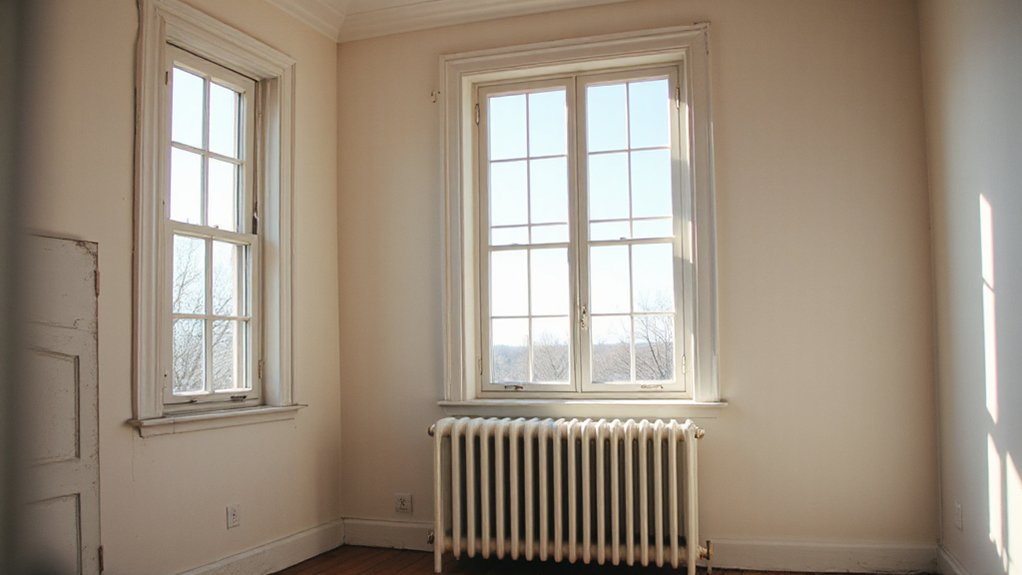
If you’re upgrading on a budget, focus on sealing drafts and choosing efficient treatments that turn drafty spaces into cozy ones without breaking the bank. Think smart fixes first—weatherstripping, caulk, and window inserts—then pair them with insulation-minded choices that boost comfort and cut energy use.
From drafty to comfy upgrades and efficient comfort solutions, small changes add up to meaningful gains.
Drafty to Cozy Upgrades
Drafty rooms don’t have to drain your wallet—start with simple, budget-friendly window upgrades that boost warmth and cut drafts. You’ll focus on practical steps that deliver noticeable comfort without a big hit to your budget.
Begin with targeted insulation improvements and straightforward draft proofing techniques to seal gaps.
- Inspect windows for gaps, caulk or weatherstrip, and add foam insulation where needed.
- Install inexpensive window stops or air-sealing kits to reduce breeze paths without replacing panes.
- Add clear plastic film or thermal curtains to boost heat retention during cold months.
Efficient Comfort Solutions
Even on a tight budget, you can boost comfort and cut energy use with smart, budget-friendly window upgrades. Start by sealing gaps around frames with caulk or foam to reduce drafts, then add weatherstripping to interior sashes for consistent warmth.
Consider low-cost insulation upgrades, like upgrading to double-pane inserts or upgrading existing glazing with reflective or low-emissivity films to cut heat gain in summer and heat loss in winter.
Prioritize airtightness over full replacement when feasible, since it yields quicker gains at a lower cost.
Improve ventilation improvements by creating controlled airflow with trickle vents or exhaust fans to balance humidity and air quality without losing heat.
Pair these steps with programmable curtains or blinds to optimize daily comfort and energy savings.
Update Fixtures for Modern Convenience
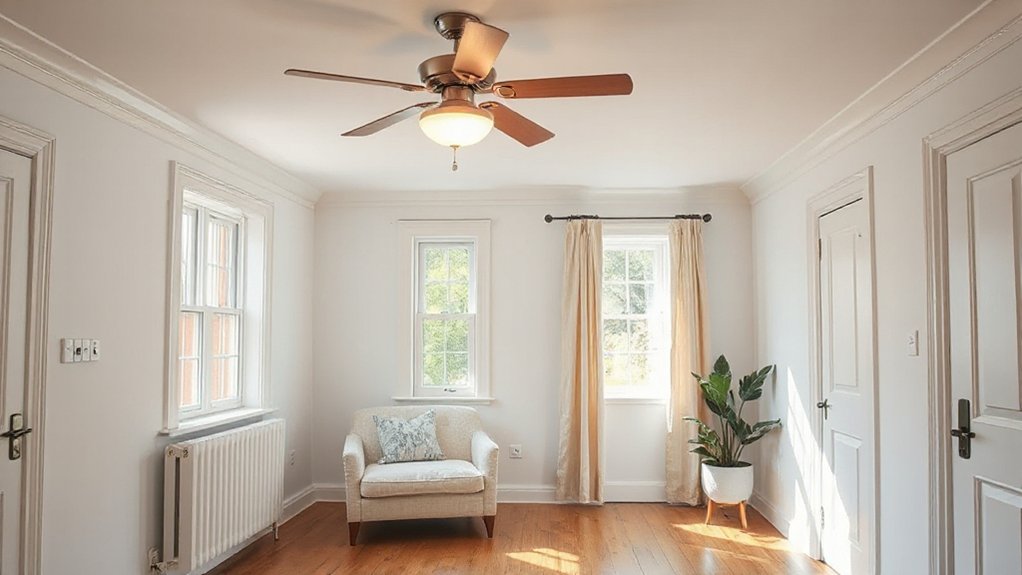
Upgrading your fixtures can instantly modernize a space, boosting both function and efficiency. You’ll simplify control, cut waste, and enjoy a cleaner aesthetic with thoughtfully chosen pieces.
Start by selecting classic forms that nod to vintage fixtures while embracing contemporary updates for reliability and ease of use. Focus on lever handles, low-profile bowls, and energy-efficient LEDs to bridge styles without sacrificing performance.
Build a cohesive look by coordinating finishes across kitchen and bath, then swap outdated hardware for satin nickel or matte black accents.
Remember these practical steps:
- Prioritize water-saving valves and sustainable materials.
- Choose dimmable, compatible lighting that suits tasks and ambiance.
- Refinish or replace mismatched hardware for a unified, polished result.
Textiles and Upholstery: Small Changes, Big Impact
Textiles and upholstery can dramatically refresh a room with minimal effort—and at low cost. You’ll start by swapping in new textile textures: crisp cottons for cool lounging areas, linen for dining spaces, and velvet accents to add depth. Focus on a cohesive palette, then choose upholstery patterns that suit the room’s era and scale.
If you have small furniture, opt for solid fabrics with a single bold throw to create contrast without overwhelming. For larger pieces, introduce subtle patterns to avoid visual clutter. Treat cushions as inexpensive focal points—combine color blocks with restrained motifs.
Finally, maintain care: vacuum regularly, rotate cushions, and spot-clean spills promptly. A few purposeful updates deliver noticeable, lasting polish without major disruption.
Smart Storage and Durable Surfaces That Stand Up to Time
Smart storage and durable surfaces go hand in hand with a well-edited, cohesive look. You’ll organize efficiently by selecting modular units that maximize vertical space, concealment, and accessibility. At the same time, choose surfaces that resist wear. Prioritize materials and finishes that tolerate daily use without showing grime or scratches.
- Smart storage solutions: install shallow drawers, pull-out organizers, and labeled bins to keep essentials within reach and eyes on clutter-free spaces.
- Durable surfaces: choose quartz, solid surface, or porcelain for counters; opt for scratch-resistant laminate or sealed hardwood floors in high-traffic zones.
- Maintenance mindset: seal, re-seal, and clean with products suited to the material to preserve color, texture, and integrity.
Incorporate both ideas for timeless, functional charm.
Frequently Asked Questions
How Can I Prioritize Projects for Maximum ROI?
Prioritize projects with the highest impact per dollar. Start by defining a realistic budget and expected ROI for each task, then line items by your goals.
Do a quick ROI card: essential renovations first, then efficiency upgrades, cosmetic tweaks last.
Budget planning upfront prevents scope creep, while contractor selection guarantees quality and timely completion.
Choose contractors who offer transparent estimates, clear schedules, and warranties.
Reassess monthly, adjust priorities as quotes come in to maximize value.
What Small Upgrades Boost Resale Value the Most?
Sure, you’ll boost resale value most with minor bathroom and kitchen upgrades, plus a smart curb appeal boost.
Irony aside, yes, small changes work when you plan carefully. Prioritize efficient lighting, durable fixtures, and fresh neutrals.
Historical preservation adds value for buyers who care, and Energy efficiency cuts operating costs, too.
You’ll see a solid return by focusing on quality, timing, and attention to detail—without overdoing it.
How Do I Estimate Renovation Timelines Realistically?
To estimate renovation timelines realistically, start with a detailed scope and a practical schedule.
Break tasks into phases, add buffer days for permitting and delays, and track progress weekly.
Use realistic daily outputs for each trade, then sum labor and material lead times for a conservative finish date.
Budget planning and contractor selection should happen upfront, with written milestones and payment schedules.
Communicate changes promptly, and adjust timelines as realities emerge.
Which Materials Balance Cost, Durability, and Style?
You should choose materials that balance cost, durability, and style by prioritizing eco friendly materials like recycled glass countertops or bamboo flooring.
Plus durable options such as vinyl plank or porcelain tile. Look for coatings and finishes that resist wear without frequent replacement.
For historical preservation, favor authentic textures and profiles. Compare life cycle costs, seek local sources, and guarantee finishes are sustainable.
This blend keeps projects practical, precise, and stylish while honoring history.
How Can I Maintain Updates Without Ongoing Maintenance?
To minimize ongoing upkeep, choose durable finishes and smart systems that you can quickly audit. Prioritize sealed, low-maintenance surfaces and programmable controls for lighting and climate.
Invest in quality insulation and energy-efficient windows to reduce monthly tasks.
Maintain vintage charm by preserving key details while modernizing behind the scenes.
Schedule annual quick checks, like filter changes and seal refreshes, to prevent headaches.
You’ll enjoy energy efficiency without constant chores.
Conclusion
You’ve learned quick, practical upgrades that refresh without erasing character. Stick to a budget, choose neutrals, swap hardware, and brighten with new lighting. Tweak the layout for flow, seal drafts, and pick energy-minded window treatments. Update fixtures, layer textiles, and select durable surfaces—little changes compound beautifully. Keep storage smart and furniture flexible to age gracefully. An occasional nod to yesteryear keeps charm; think a vintage clock in a modern room, a delightful anachronism that quietly anchors the space.