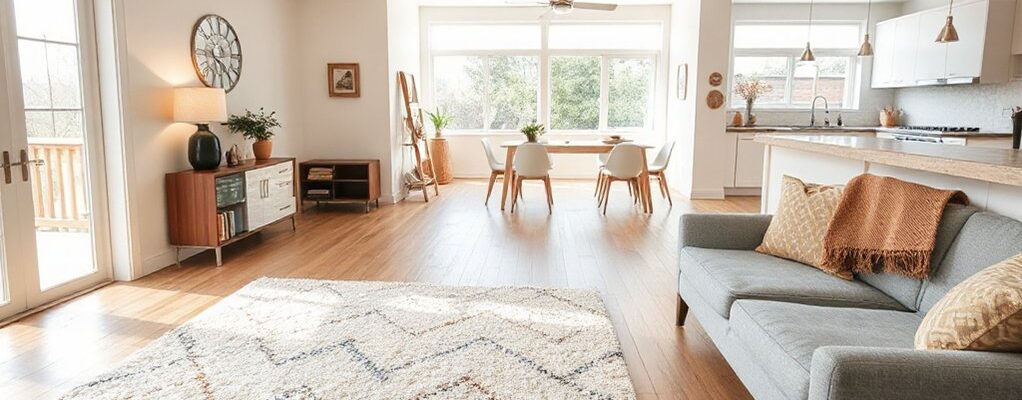
Like a well-tuned compass, your home’s flow points you toward easier days. You’ll redefine goals for each room, trim clutter, and shift layouts with budget-friendly tweaks that feel intentional, not rushed. You’ll notice how small moves—rugs, shelves, lighting, and simple storage—create clear pathways and a cohesive vibe. Then you’ll see the difference as daily routines become smoother, and you’ll be tempted to refine just a bit more, guided by what works best for you.
Key Takeaways
- Declutter and create clear pathways with intentional storage to improve sightlines and ease of movement.
- Reconfigure current furniture layout to define zones and streamline traffic using rugs and seating placement.
- Use budget-friendly divider options (slim screens, door swing tweaks) to redefine zones without major remodeling.
- Layer lighting (ambient, task, accent) and a cohesive color palette to unify spaces and enhance flow.
- Implement simple daily systems (labels, vertical storage, routine resets) to maintain an organized, flowing home.
Define Your Flow Goals for Each Room
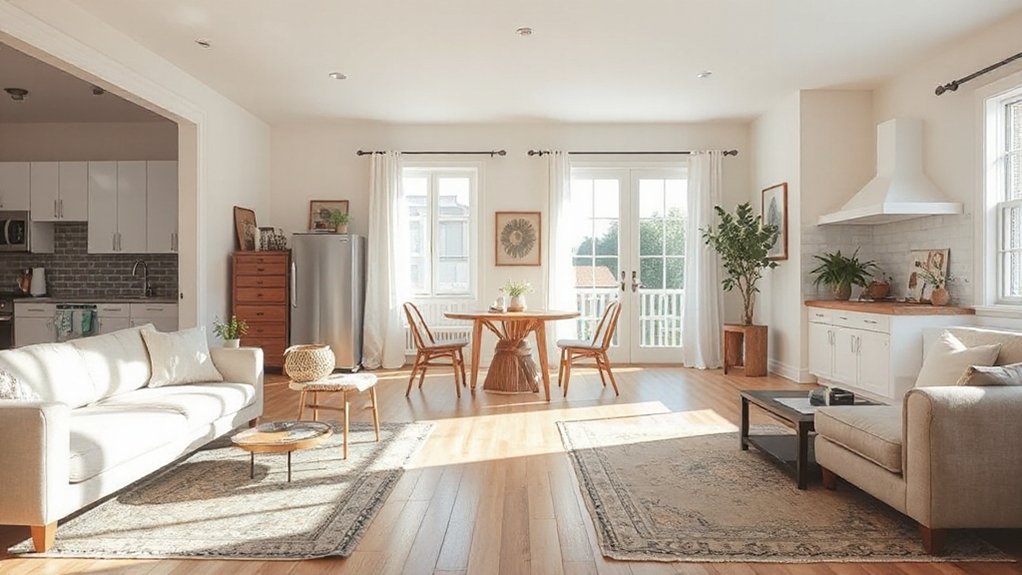
To define your flow goals for each room, start by visualizing how you want the space to feel and move through it daily. You map the path people take, noting where entry, seating, and work areas naturally align.
Center your plan on purposeful furniture arrangement that guides movement rather than blocks it. Consider sightlines, lighting, and how sounds travel, so you’re not fighting urgency with clutter.
Develop zoning strategies that separate quiet zones from high-traffic zones, yet keep lines of sight open for connection.
Translate goals into concrete layouts: where to place sofas for conversational flow, how rugs define zones, and which walls host storage to reduce visual noise.
Revisit room-by-room targets periodically, adjusting as routines or furniture changes occur.
Declutter to Create Clear Pathways
Decluttering isn’t just tidying up; it’s the first step toward safer, faster movement through your space. You’ll gain immediate flow by trimming excess and choosing intentional storage solutions that keep surfaces clear and usable.
As you remove clutter, envision clear sightlines and easy passages between rooms, guided by practical furniture arrangement that supports traffic patterns without crowding. This isn’t about minimalism for its own sake; it’s about reclaiming utility for daily life, with room to breathe and quick access to essentials.
When done, you’ll notice fewer delays, more ergonomic pathways, and a calmer ambiance that anchors your home’s flow.
- A coffee-station tucked into a corner, freeing main counters
- Shelves and baskets grouping loose items into dedicated storage solutions
- A slim console guiding feet along narrow hallways with purposeful furniture arrangement
Reconfigure Layout With Budget-Friendly Tweaks
You can reshape your space without a big budget by swapping or repositioning what you already own. Start with a fresh furniture arrangement that clarifies routes and priorities, placing seating where conversation happens and workflow is straightforward. Move pieces to create clear sightlines toward focal areas, avoiding clutter near exits or doors.
Reconsider door placement by tweaking swing direction or using slim screens to redefine zones without major construction. Use rugs to anchor zones and guide movement, aligning furniture edges with pathways for a natural flow. Swap a sofa, chairs, or ottomans to test new angles, then fine-tune with small accents that reinforce balance.
Track changes with quick photo notes to compare how each tweak improves navigability and perceived space.
Brighten and Harmonize: Light, Color, and Texture
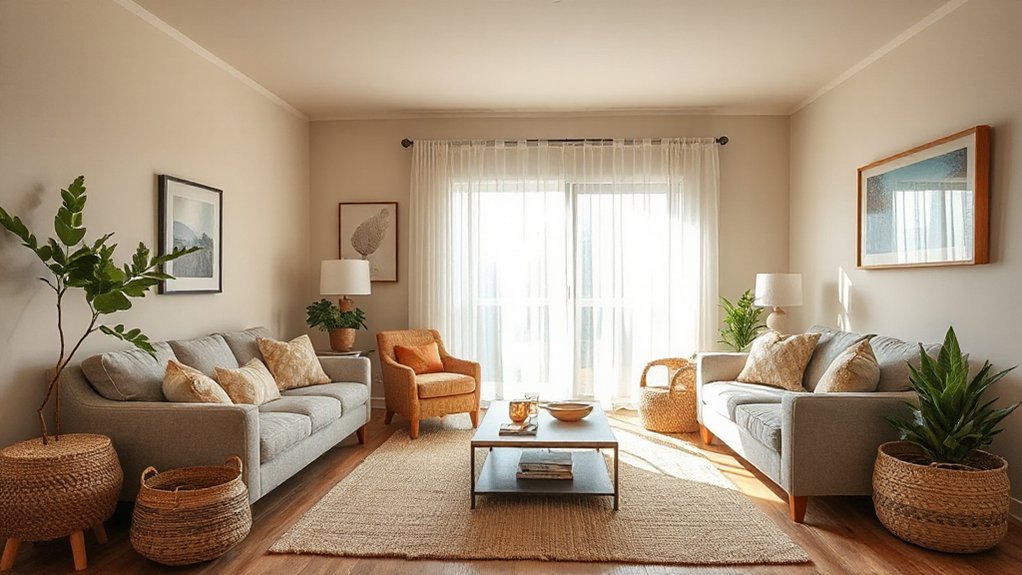
Brighten and harmonize your space by layering light, color, and texture to create clarity and calm. You’ll achieve cohesion by balancing brightness, choosing a unified color palette, and introducing tactile variety that reads as intentional rather than busy. Use warm whites or soft grays as anchors, then pop with accents that reflect your personality.
Focus on color harmony to unify rooms, and employ texture contrast to add depth without clutter. Small lighting tweaks can transform perception, while textiles and finishes reinforce mood without cost.
- Layer ambient, task, and accent lighting to sculpt space
- Pair smooth surfaces with tactile fabrics for color harmony and texture contrast
- Choose finishes in a cohesive family to keep flow seamless
Maintain Flow With Simple, Everyday Systems
Good flow hinges on simple, repeatable systems you can rely on every day. You’ll keep momentum by prioritizing smart storage that hides clutter while keeping essentials accessible. Use vertical shelving, labeled bins, and shallow drawers near work zones so you don’t chase items across rooms.
Next, tighten doors and drawers with acoustic sealing to reduce noise transfer and create calmer passages between spaces.
Establish quick routines: a 60-second reset before bed to return items to their homes, and a morning sweep to clear surfaces. Track with a single checklist so system maintenance becomes second nature.
Let every switch, latch, and bin have a clear purpose. This mindful small‑scale organization preserves flow as you scale daily life.
Frequently Asked Questions
How Can I Measure Flow Efficiency in a Room?
You measure flow efficiency by tracking airflow, sight, and feel in real time. Start with a simple smoke test or incense stick to reveal drafts and verify unobstructed paths.
Use a digital manometer or a smart diffuser to quantify CFM changes between rooms, noting improvements from airflow optimization.
Check lighting enhancement impact on perceived movement, then adjust furniture for clear sightlines.
You’ll see practical gains: smoother circulation, brighter rooms, and a more visionary, comfortable home.
What Small Budget Upgrades Impact Acoustics Most?
You can dramatically improve acoustics on a tight budget with simple steps like door sweeps, thick rugs, and furniture placement.
But the most impact comes from strategic soundproofing techniques and targeted acoustic treatment options. Add heavy curtains, wall hangings, and DIY panels behind listening zones to absorb reflections.
Seal leaks, use underlayment, and consider inexpensive bass traps in corners. You’ll hear clearer voices and richer music, plus better privacy and fewer echoes throughout the room.
Which Doorways Should Remain Clear for Traffic Flow?
Doorways that stay clear for traffic flow are the main entry and the high-traffic paths between rooms; keep hallways, door swings, and furniture zones free.
Coincidentally, decorative doorways and hidden passageways can serve as design features, not obstructions, if you plan around sightlines and swing space. You’ll preserve movement, reduce clogs, and still enjoy visual interest.
Visualize clear thresholds, align shifts with daily rhythms, and invite seamless, practical flow through every doorway.
How Often Should I Reassess Room Flow Goals?
You should reassess room flow goals every 3 to 6 months, depending on changes in your space. When you do, evaluate furniture arrangement and lighting placement to keep paths clear and vibes intentional.
Track how people move, adjust furniture zones, and note any pinch points. You’ll stay proactive, spotting drift before it disrupts flow.
Use quick tweaks, like swapping a lamp or reorienting a chair, to keep your vision practical, visionary, and consistently detailed.
Can Plants Affect Perceived Space and Rhythm?
Plants do affect perceived space and rhythm. Indoor greenery draws the eye, softens lines, and creates focal points that guide movement, boosting spatial harmony.
You’ll feel larger rooms when you place taller plants at depths and group smaller ones to form rhythm. If you doubt it, start with one dramatic statement plant.
You’ll notice the flow tighten, smells lift, and everyday tasks become more intentional. This practical touch makes your home feel thoughtfully designed and alive.
Conclusion
You can tighten your home’s flow with small, intentional moves. Define goals for each room, declutter for clear pathways, and rework layouts with budget tweaks. Add rugs, lamps, and subtle color touches to unite spaces, not clutter them. Create simple, daily routines—storage and lighting tucked where you need them most. Think of your home as a well-coordinated orchestra, each piece a note that guides movement. When the tempo’s right, flow feels effortless and inviting.