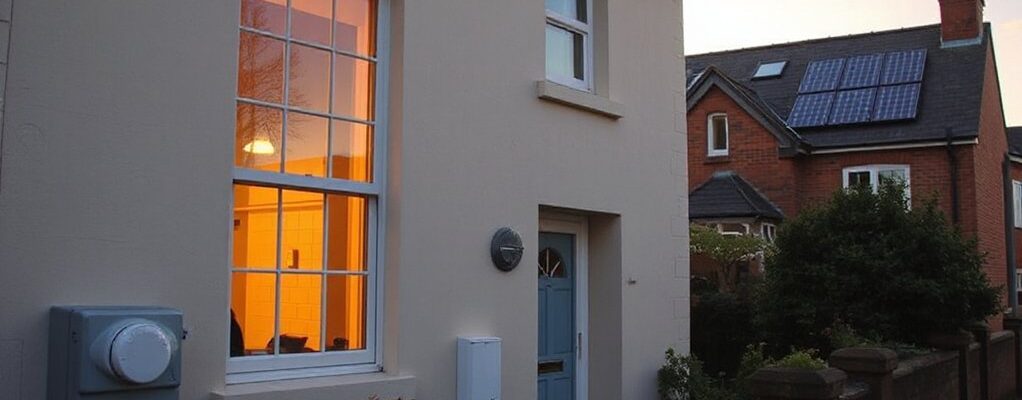
Did you know your Leeds home’s climate and old building stock mean small tweaks can save hundreds a year? You’ll want targeted insulation across walls, roofs, and floors, plus airtight seals around windows and doors to stop drafts. Pair that with smart controls and zone heating, and you’ll balance comfort with efficiency. There’s more to uncover, like ventilation choices and funding options, that could change how you approach your whole project.
Why Leeds’s Climate and Housing Stock Drive Energy Upgrades
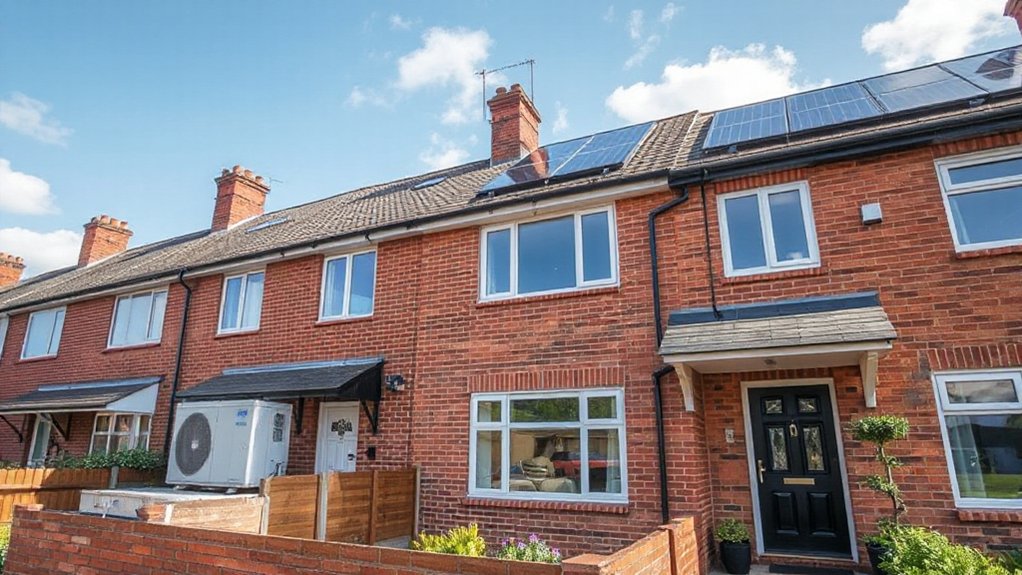
Leeds’s climate and housing stock push energy upgrades out of necessity and into practicality. You face variable weather, damp risks, and fluctuating bills, so upgrades must pay back quickly.
The city’s older homes often feature thick walls, solid masonry, and limited natural ventilation, demanding targeted improvements rather than cosmetic fixes. You’ll pursue measures that bolster climate resilience while protecting historic preservation values, balancing modern efficiency with heritage.
Better insulation, intelligent heating controls, and durable, breathable materials reduce energy loss without compromising character. You’ll plan upgrades that minimize moisture risk, maintain comfort year-round, and curb peak demand.
This approach aligns with local planning guidance, market incentives, and long-term durability, ensuring you improve performance, preserve history, and lower running costs in a pragmatic, measurable way.
How Airtightness and Ventilation Reduce Drafts and Heat Loss
Airtightness and controlled ventilation curb drafts and heat loss by balancing air exchange with insulation. You reduce air leakage by sealing gaps around doors, windows, and service penetrations, then install a mechanical or passive ventilation system that fits your home’s needs.
A tight envelope lowers uncontrolled air movement, so you must plan for purposeful intake and exhaust to maintain comfort. With well-designed ventilation, you refresh indoor air quality without blasting warmth outside.
Use heat-recovery options where possible to transfer energy between incoming and outgoing air. Monitor humidity and pollutant levels, especially in living spaces and kitchens, to prevent condensation and mold.
Regular checks ensure components sealing and filters stay effective, preserving energy savings and healthy indoor air quality.
Smart Heating Controls and Efficient Systems for Leeds Homes
Smart heating controls and efficient systems help Leeds homes stay comfortable while cutting energy use. You’ll gain from automated thermostats that learn routines, adjust temperatures, and avoid overheating. Set schedules to match occupancy and outdoor conditions, so heat only flows when needed.
Zone heating lets you heat living areas separately from bedrooms, reducing wasted energy in unused spaces. Pair thermostats with a well-planned boiler or heat pump setup to maximize efficiency, and guarantee self-diagnostics flag issues before they bloom.
Keep radiators balanced so each room reaches the target temperature consistently. Use fan-assisted circulation where appropriate to improve comfort without increasing boiler runtime.
Regular servicing, clean filters, and correct programming maintain performance, prevent faults, and sustain energy savings across Leeds homes.
Insulation Upgrades That Cut Bills in Leeds
Upgrading insulation is one of the most cost-effective ways to cut bills in Leeds. You’ll reduce heat loss by sealing gaps, improving air tightness, and selecting suitable insulation materials for walls, roofs, and floors.
Start with an energy assessment to identify where heat escapes most. Choose materials with high thermal resistance and low thermal bridging, such as mineral wool or foam boards, and install where they stay dry and compact.
Guarantee proper ventilation to prevent moisture buildup. Fit reflective barriers or radiant barriers in lofts to minimize heat gain in summer and loss in winter.
Prioritize continuous layers and avoid compressing insulation, which reduces effectiveness. Don’t overlook joist cavities or chimney penetrations.
Proper detailing with thermal barriers keeps warmth inside and lowers energy demand overall.
Energy-Saving Appliances and Lighting You Can Use Today
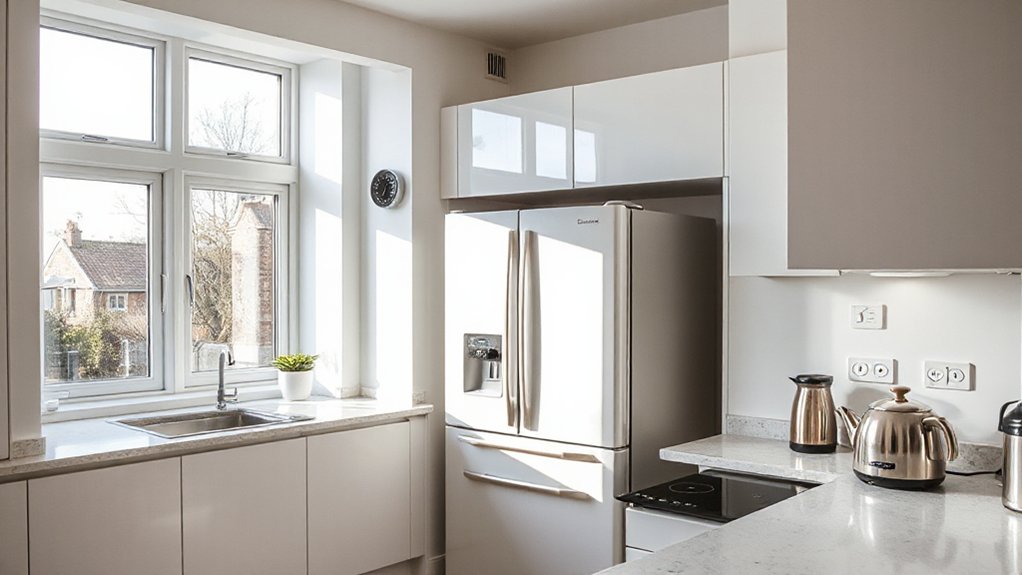
Look for Energy-Efficient Appliances that use less electricity and last longer, and choose LED lighting to cut lighting costs from day one.
Smart lighting solutions let you automate when lights turn on or off, saving energy without extra effort.
Start with a few high-impact changes you can implement today—then expand as you see the savings.
Energy-Efficient Appliances
Energy-efficient appliances and lighting reduce energy use and lower bills right away in Leeds homes. You’ll see immediate gains when you choose models with strong energy labels and size them for your needs. Start with appliances that fit your usage patterns, and check annual energy consumption figures before you buy.
Prioritize LED lighting and smart controls to minimize standby losses and tailor output to rooms. Maintain efficiency by performing regular appliance maintenance, such as cleaning filters, vent caps, and coils, and by scheduling professional servicing when needed.
Look for products with the latest energy labels, typically A–G scale, and favor higher-efficiency options even if upfront costs are slightly higher. For best results, compare labels and plan upgrades in phases.
Smart Lighting Solutions
Smart lighting can trim energy use today by combining efficient fixtures with smart controls. You’ll start by swapping incandescent bulbs for LEDs, which use less power and last longer.
Then add lighting automation to tailor brightness to room needs, reducing waste when spaces aren’t occupied. Use sensor-based controls in hallways, stairs, and read zones to switch off automatically after periods of inactivity.
Integrate dimming options for task lighting to maintain comfort without excess consumption. Choose smart bulbs or hubs that support schedules and remote control, so you never leave lights on by mistake.
On a Leeds property, align outdoor lighting with motion sensors and timers to protect security while conserving energy. Regularly review firmware updates to maintain ideal performance.
Budgeting, Funding, and ROI for Leeds Properties
Budgeting, funding, and ROI for Leeds properties require a practical plan: start with a clear cost baseline, identify high-impact energy upgrades, and map financing to expected savings.
You’ll want a simple spreadsheet that tracks up-front costs, ongoing maintenance, and projected annual savings from efficiency measures. Prioritize improvements with rapid payback, such as insulation, efficient heat pumps, and smart controls, then layer in longer-term upgrades as cash flow allows.
Explore renewable investments where favorable, including solar or heat recovery, to diversify ROI streams.
For funding, combine private finance with government incentives, grants, and low-interest loans to reduce cost of capital.
Regularly reforecast ROI after renovations and adjust priorities to maximize return while staying compliant with local regulations.
A Practical, Home-Type Upgrade Plan by Budget and Goals
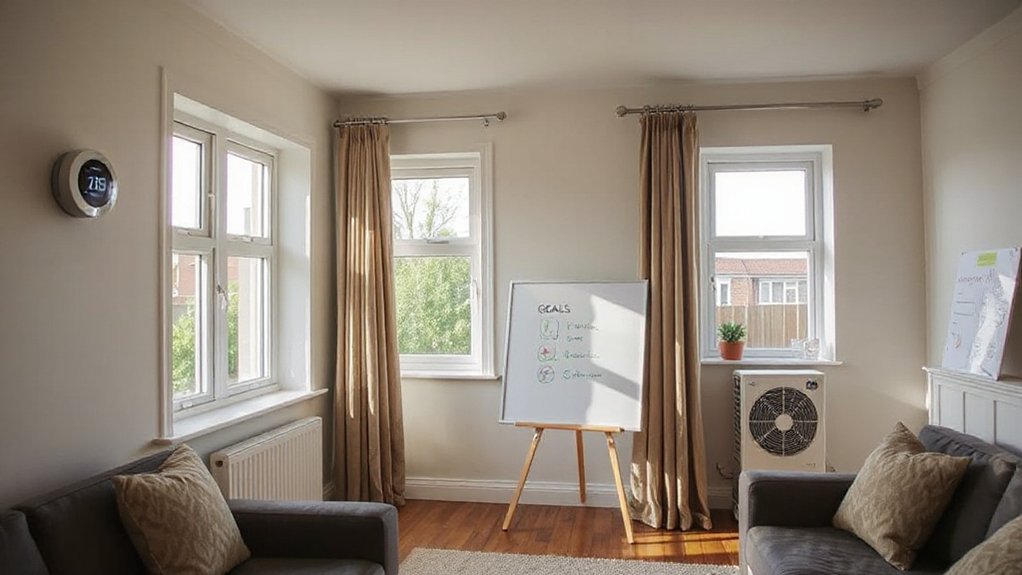
A practical, home-type upgrade plan starts with aligning your budget and goals to actionable steps: identify the most cost-effective improvements that fit your cash flow, and set clear milestones for each phase.
You’ll begin with a targeted energy audit to pinpoint high-impact fixes and avoided waste. Prioritize low-cost, high-yield tasks—seal leaks, improve insulation, and upgrade thermostats—before larger investments.
Create a phased timeline: phase one addresses immediate savings, phase two tackles comfort enhancements, phase three consolidates performance with equipment upgrades.
Track costs, savings, and payback for each step to stay on budget. Maintain documentation for potential funding or incentives.
Choose fixes compatible with your home renovation plans. Reassess quarterly, adjusting priorities as you progress and as energy prices shift.
Frequently Asked Questions
How Often Should I Service My Heating System in Leeds?
You should service your heating system annually. That heating maintenance boosts reliability and efficiency, protecting system longevity. If you notice odd noises or reduced warmth, schedule sooner. Regular checks help prevent breakdowns and costly repairs.
What Grants Are Available for Leeds Energy Upgrades?
You can access grants for Leeds energy upgrades, including schemes supporting renewable energy and smart technology integrations. Check local authority programs and national subsidies; you’ll often need energy assessments and apply before installation to maximize funding and guarantee compliance.
Which Building Regulations Affect Energy Improvements in Leeds?
Building regulations affecting energy improvements in Leeds require compliance with insulation standards and electrical safety for installations. You’ll need building insulation upgrades and solar panel installation permits, plus SAP assessments, EPCs, and proper fire/safety compliance for ongoing efficiency.
Can Tenants Benefit From Energy Upgrades Without Landlord Consent?
Yes, you can push for improvements, but you typically need landlord consent. Tenant rights exist; upgrade approvals usually require agreement, funding clarity, and clear timelines, so you should document requests, expectations, and potential impact before proceeding.
What Is the Typical Payback Period for Insulation in Leeds Homes?
The typical payback period for insulation in Leeds homes is about 3 to 7 years, depending on property type and existing conditions. Insulation costs are offset by energy savings, making upgrades worthwhile over time.
Conclusion
You can stretch comfort and cut bills by focusing on targeted insulation, airtight seals, smart heating, and efficient lighting in Leeds homes. A striking stat: airtight improvements can trim heat loss by up to 25–40%, depending on the gaps you seal. Pair these with heat-recovery ventilation and smart controls to keep indoor air quality high without wasting energy. Use LEDs, efficient appliances, and available grants to maximize savings while preserving historic character. Start with a practical, budget-driven plan today.