
Coastal towns like Brighton face salt, moisture, and gusty exposures, so smart renovations start with weatherproof exteriors and elevated foundations. You’ll want bright layouts that maximize natural light, plus drainage and flood-ready planning to reduce surprises. Practical storage and durable, moisture-resistant interiors keep grit at bay without losing seaside charm. Ready to map out costs, permits, and a phased timeline, you’ll see how small tweaks compound into a resilient, inviting home—if you keep the coastal realities in sight.
Assess Coastal Risks and Set Your Renovation Plan
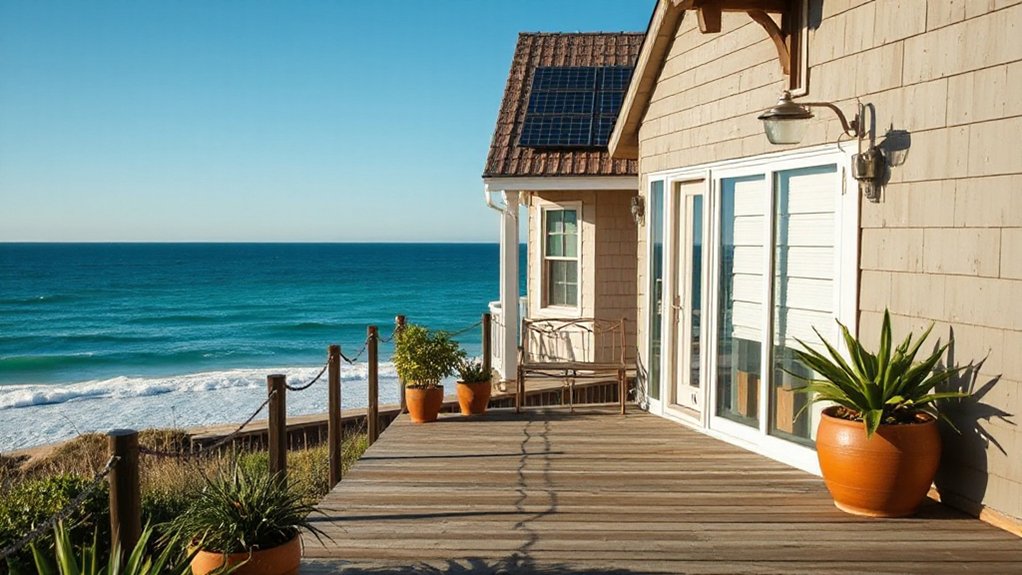
Evaluating coastal risks is your first step. You’ll map exposure to storms, tides, and wind-driven damage so you can price the renovation properly. Identify the flood zone, inspection records, and current erosion patterns to forecast the next decade’s needs.
Coastal erosion isn’t just about sand loss; it reshapes foundations, access routes, and drainage. Consider sea level trends and how even modest rises affect mudlines, crawlspaces, and basement integrity.
Prioritize high-risk areas for structural reinforcement, moisture barriers, and passive cooling strategies that resist salt spray. Turn risk insights into a practical plan: adjust elevation, improve waterproofing, and choose durable, low-maintenance materials.
Keep a risk ledger to guide approvals, permits, and supplier timing, aligning your budget with anticipated climate shifts.
Create Bright Coastal Layouts for Maximum Sunlight
Maximize how sun pours in by arranging open, flow-friendly layouts that keep sightlines clear.
Choose larger, strategically placed windows to boost light without sacrificing energy efficiency, and use lighter tones to reflect that glow.
You’ll boost the space’s brightness by coordinating window placement with furniture flow to keep rooms airy and inviting.
Max Sunlight Flow
To guarantee bright, airy rooms, start by orienting spaces to capture the sun from the most active living areas. You’ll maximize flow by aligning daily routines with sun angles, so living rooms face south or southwest and kitchens stay connected for easy movement.
Use open sightlines between these zones to reduce walls that block light, and select light, reflective finishes to bounce glare away. Prioritize corridors and multipurpose nooks that don’t trap light, keeping furniture off primary sightlines.
Sunlight optimization comes from layering sources: a mix of generous windows and strategically placed skylights where overhead sun helps without overheating. Window placement matters most; place larger panes where you spend your time, and smaller high clerestories in circulation areas to keep energy bills down and rooms feeling expansive.
Brighten Through Windows
Brighten Through Windows: to keep coastal interiors luminous, focus on how you frame daylight with your window design. You’ll maximize sun streaks by choosing wide, unobstructed openings and placing seating or work zones to catch the brightest rays.
Opt for light, reflective curtains and blinds that soften glare while preserving views. For coastal rooms, use window treatments that heighten daylight optimization without sacrificing insulation or privacy.
Consider low-profile frames in white or driftwood tones to bounce light around the space. Use glass with high transparency and minimal mullions for a seamless exterior connection.
Install transoms above doors to capture morning light, and align curtains to stack neatly, preventing clutter. Calibrate shading to balance heat, glare, and view, and enjoy brighter, calmer coastal living.
Weatherproof Exteriors That Preserve Coastal Charm
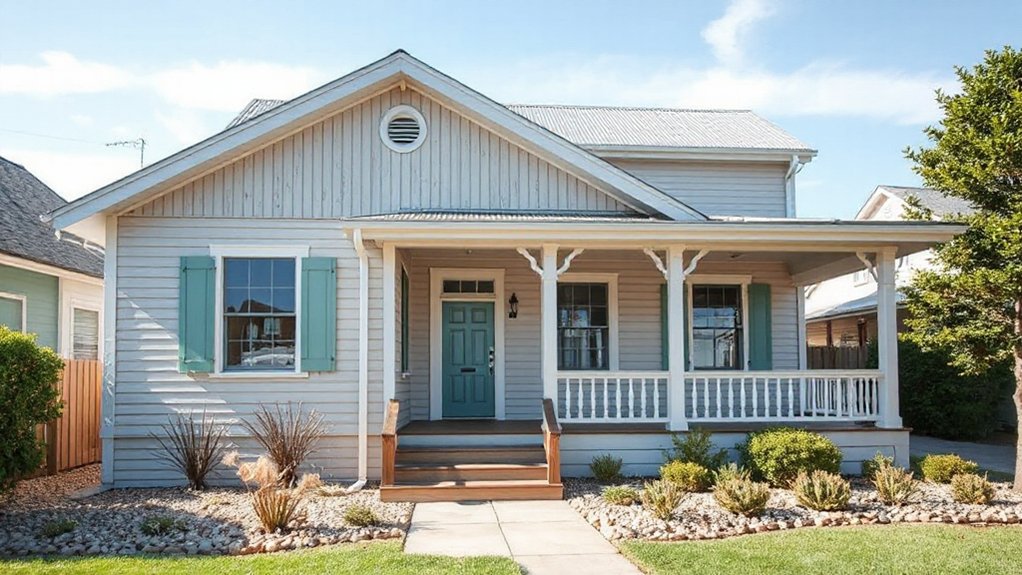
Weatherproof exteriors protect coastal homes from salt, wind, and humidity without losing their charm. You’ll choose materials and finishes that resist weather while preserving the seaside character. Opt for low-maintenance cladding in muted tones that echo Seaside architecture, so your house remains inviting yet practical.
Use rot-resistant timbers or composite alternatives with UV protection to prevent fading and warping. Seal gaps, install drip edges, and slope surfaces to divert spray inland, reducing moisture exposure.
Weatherproofing isn’t a one-and-done task; plan regular inspections and touch-ups during off-season downtimes. Favor breathable, water-resistant barriers that safeguard interiors without trapping humidity.
Focus on Coastal sustainability by selecting recycled or locally sourced materials where possible, and guarantee proper ventilation and energy efficiency. Your exterior stays vibrant while withstanding coastal conditions.
Moisture-Resistant Interiors for Damp-Tide Homes
Could moisture be the silent breaker of comfort in damp-tide homes? In coastal interiors, you keep it simple: install moisture barriers at any new build or renovation seam to block ground and wall moisture from soaking in.
Choose breathable, water-resistant materials for floors and wall coverings to slow moisture migration without trapping it. Prioritize humidity control with a reliable dehumidifier or continuous ventilation in kitchens, baths, and laundry, pairing it with sensors to alert you when levels rise.
Seal gaps around windows and doors, and use vapor-permeable paints in damp zones to prevent peeling. Opt moisture-resistant cabinetry and finishes in humid spaces.
Regularly inspect basement or crawl spaces for damp spots, correcting leaks fast to maintain interior stability.
Energy-Efficient Heating for Breezy Climates
You’ll start with efficient climate control by tuning your system for coastal breezes and variable winds.
Consider insulation retrofit tactics that seal gaps and reduce heat loss without bulky upgrades.
Then pair them with low-temperature comfort strategies to stay comfy on cooler nights.
This approach keeps heating economical and reliable in breezy climates while supporting your coastal home’s balance and comfort.
Efficient Climate Control
If you live by the coast, a tight, well-insulated shell is your first line of defense against brisk winds and damp air, so start with targeted sealing and insulation upgrades.
Efficient climate control focuses on steady heat without waste, so choose compact, well-sealed HVAC units and smart thermostats that respond to occupancy and outdoor conditions.
Prioritize zones: keep living areas warm while minimizing heat loss in bedrooms.
Pair radiant floors with low-velocity ducts to reduce drafts and noise, and install fresh-air ventilation with heat recovery to maintain air quality without sacrificing warmth.
Emphasize energy management through monitoring dashboards and predictive maintenance.
Climate adaptation means selecting equipment resilient to salt and humidity, plus simple, scalable upgrades to accommodate changing weather patterns.
Insulation Retrofit Tactics
Insulation retrofit tactics for breezy coastal climates focus on stopping drafts and keeping heat in, fast. You’ll target gaps around doors, windows, and attic hatches, where cold air sneaks in and heat leaks out. Start with sealing first: use weatherstripping, door sweeps, and caulk to block convection paths before adding mass or layers.
Then choose insulation techniques that suit existing walls and ceilings without major disruption, such as blown-in cellulose or spray foam in cavities, and rigid foam boards behind external cladding where feasible. Install thermal barriers behind outlets and switch boxes to reduce heat transfer, and consider radiant barriers where sun exposure is highest.
Aim for continuous coverage, minimal thermal bridging, and ongoing air-tightness tests to validate performance.
Low-Temperature Comfort Strategies
Cozying up a breezy coastal home starts with efficient, low-tech heating that keeps heat from slipping away. You’ll favor targeted warmth over whole-house blasts, so set zones and close vents where you don’t need heat. Use programmable thermostats to drop temps at night or when you’re away, preserving the coastal breeze while staying comfy.
Insulation remains essential, but pair it with drafts seals and snug, well-sealed windows to curb sea spray intrusion and moisture. Choose compact, efficient radiators or radiant floor mats for steady comfort without overheating.
Layer textiles and cable blankets for mood and micro-warming without cranking the furnace. Embrace solar gains from south-facing windows and maintain your system with clean filters for reliable, economical warmth year-round.
Salt-Tolerant Materials That Age Gracefully by the Sea
Salt-tolerant materials keep coastal homes durable without constant upkeep. In coastal settings, you’ll want options that resist salt spray and humidity while aging gracefully. Look for salt resistant finishes on siding, such as acrylic paints designed for seaside exposure, and weathering materials that patinate rather than peel.
Consider masonry surfaces with breathable sealants that block moisture yet vent air, reducing blistering and mold. For decks, choose treated hardwoods or composite alternatives with UV and salt resistance, plus non-slip textures.
Metal accents benefit from corrosion-resistant alloys or coatings. Interior floors benefit from sealed, low-porosity materials that deter salt creep and grime.
Finally, opt for climate-appropriate substrates that stay stable with temperature swings and salt drift. Regular inspections keep these materials performing year after year.
Flood-Ready Design and Smart Drainage Solutions
Flood-resistive materials, proper elevation, and smart drainage work together to keep your home dry during storms. Start with materials rated for salt and water exposure.
Then confirm your site grading and downspout placement to direct rainwater away from the foundation.
Finally, install a sequenced drainage system that automates sump pumps and uses pervious surfaces to reduce runoff.
Flood-Resistant Materials
Flood‑resistant materials are essential for coastal homes, especially when paired with flood-ready design and smart drainage. You’ll choose surfaces and membranes that resist moisture ingress and are simple to clean after storms.
Prioritize corrosion prevention by selecting metals with protective coatings and stainless alloys, avoiding untreated steel in damp zones. For walls, opt for fiber-cement, treated timber, and high-quality composites that tolerate salt spray.
Floors should be slip-resistant, water-resistant, and easy to seal, such as porcelain or upgraded vinyl with embedded grout protection. Sealants must stay flexible to handle humidity swings.
Salt resistance matters in exterior finishes; look for coatings rated for coastal exposure and UV-stable pigments. Plan drainage paths to direct water away, reducing prolonged dampness and safeguarding interior materials.
Elevation and Grading Techniques
Could you raise the property high enough to keep floodwater out? Elevation and grading set the baseline for flood resilience. You’ll shape the site to direct water away from foundations using a firm, continuous slope and defined drainage paths.
Start with topography: gentle gradients reduce ponding and curb erosion. Then plan elevations for living areas above typical flood levels, pairing them with reinforced entryways and mechanicals kept higher.
Landscaping aesthetics matter here: choose low-maintenance plantings and grading that complement curb appeal while aiding runoff. For soil stability, use compacted fill, riprap where needed, and retaining features that prevent washouts.
Coordinate soil stabilization with proper compaction tests and drainage trenches. This approach minimizes flood risk and supports long-term coastal livability.
Smart Drainage Systems
Smart drainage systems integrate flood-ready design with real-time monitoring to keep water away from foundations. You’ll deploy gravity-driven and pump-assisted layouts that direct coastal runoff away from entry points and toward safe discharge zones.
Begin with permeable surfaces and strategic grading to slow, absorb, and route water efficiently. Install inline check valves, backflow preventers, and automated pumps controlled by sensors that trigger during high tides or heavy rain.
Link these systems to a simple app for alerts and maintenance reminders, so you act before problems appear. Prioritize low-maintenance materials, corrosion resistance, and sealable access points for easy servicing.
Regularly inspect filters and screens after storms. Smart drainage minimizes flood risk, protecting structures and preserving curb appeal in coastal towns like Brighton.
Practical Coastal Storage With Character and Style
Organizing coastal storage doesn’t have to feel chaotic; smart, space-saving ideas keep essentials accessible without clutter. You prioritize multi-use furniture, wall-mounted niches, and labeled bins that resist moisture and salt.
Choose textures and finishes that echo Seaside decor while staying practical; driftwood tones, marine blues, and creamy whites pair well with durable laminates and powder-coated metal.
Use vertical space with open shelves and hooks near entryways for bags, umbrellas, and outerwear. Tuck smaller items into labeled jars or containers to avoid mystery piles.
For Nautical storage, opt for buoy-inspired bins or rope-handled baskets that blend form and function.
Keep a compact, weatherproof cabinet in the mudroom or kitchen to conceal cleaning supplies without breaking the coastal vibe.
Budget, Permits, and a Seaside Renovation Roadmap
Balancing budget, permits, and a clear renovation roadmap sets coastal projects up for steady progress. You’ll define a realistic budget early, separating hard costs from soft costs, and leave a contingency for weather delays. Budget planning means mapping materials, labor, permits, and inspections, then revising as site conditions change.
Track seasonal tide impacts on schedules so you don’t overcommit resources. Next, understand permit requirements before you buy a hammer. Check local codes for coastal setbacks, flood zones, and energy standards, and assemble documents now to avoid delays.
Create a phased plan that aligns with permits and seasonal work windows, prioritizing moisture control, insulation, and durable finishes. With clear milestones and risk buffers, you’ll navigate blueprints, approvals, and quick wins without derailment.
Real-World Brighton-Style Renovations: Lessons and Remedies
Real-world Brighton-style renovations show that lessons come from site realities, not glossy plans. You’ll see how coastal architecture matrices narrow problems, not inflate them, when you assess wind paths, salt exposure, and drainage first.
Practical remedies start with durable materials: corrosion-resistant metals, treated timber, and low-porosity finishes that resist moisture. You’ll adjust layouts to protect living zones from salt spray, using sheltered, sunlit strategies that still invite sea views.
Seaside landscaping matters, shaping microclimates with windbreaks, dune-inspired greens, and permeable pathways that reduce runoff. Learn from failed details—overlooked damp, inadequate roof tie-ins, or misaligned flashing—and fix them early.
Keep budgets honest by prioritizing critical envelope upgrades before cosmetic tweaks, and document coastal-specific codes to avoid redos. Coastal architecture informs decisions; seaside landscaping completes the picture.
Frequently Asked Questions
How Soon Should I Start Permits for a Seaside Renovation?
Start permits as soon as you can, ideally before breaking ground. Coordinate with historical preservation guidelines and local zoning rules, and factor review timelines into your seaside renovation schedule to avoid costly delays and fines.
What’s the Best Flood-Proofing Strategy for Homes Near Brighton?
Storms roll in like a curtain, so you choose storm resistant windows and elevated foundations. You’ll seal, elevate utilities, and plan flood-proof landscaping, ensuring your Brighton home stays safe, dry, and resilient through every high tide.
Which Low-Maintenance Materials Resist Salt Air Best?
You should choose salt resistant paints and corrosion proof metals, because they resist harsh sea air and keep upkeep low. You’ll apply salt resistant paints on exteriors and use corrosion proof metals for fixtures, rails, and brackets in coastal climates.
How Can I Maximize Natural Light Without Increasing Glare?
“Strike while the sun shines.” You can maximize natural light without glare by choosing window treatments that diffuse rather than block, and by optimizing skylight placements to balance brightness with shading for coastal homes.
What Are Cost-Effective Drainage Upgrades for Coastal Lots?
You should invest in stormwater management improvements and simple drainage solutions that fit coastal lots, prioritizing permeable surfaces, swales, and graded patios to reduce runoff, prevent erosion, and protect foundations without blowing your budget.
Conclusion
You’ll boost resilience, boost brightness, and boost coastal charm. You’ll invest smartly, plan thoroughly, and proceed confidently. You’ll protect exteriors, protect interiors, and protect against moisture. You’ll maximize sunlight, maximize airflow, and maximize views. You’ll choose materials suited for salt, damp, and wind. You’ll streamline permits, schedule budgets, and schedule contingencies. You’ll finish with a seaside aesthetic, a durable shell, and a brighter, safer home. You’ll live better, work smarter, and enjoy coastal life.