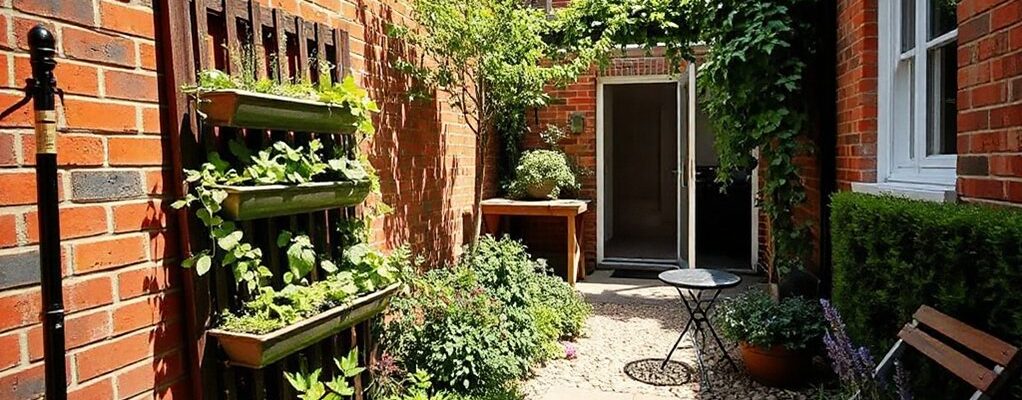
You might not realize how much a compact balcony can feel like a real room with the right layout. Think vertical farming, modular containers, and reflective surfaces to brighten every inch without crowding the floor. You’ll get practical, year‑round color plus smart irrigation to cut water waste. Ready to see how tiered planters, wall systems, and multipurpose furniture turn small spaces into lush, cozy retreats, even in London’s variable weather? Let’s start shaping the plan.
Assess Your London Space and Light
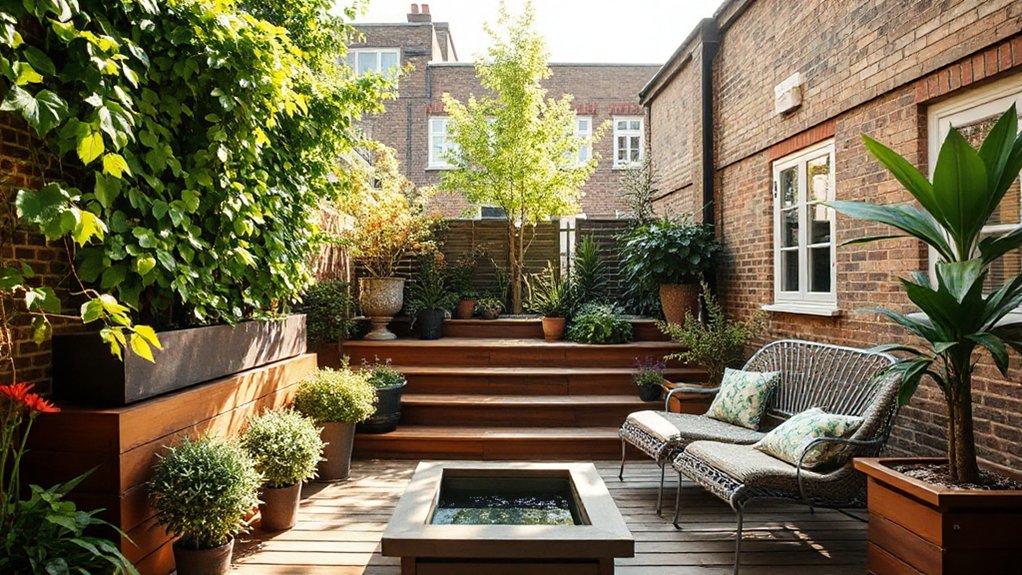
Assess your London space and light by making a quick map of what’s available. You’ll sketch, in rough blocks, where sun hits at different times and where shade sits most of the day. Note doorways, windows, and walkways, plus any overlooked corners that offer a micro-climate.
Prioritize areas that tolerate morning sun or afternoon shade for flexible planting or seating. Consider verticals: fences, walls, and railings can host shelves, planters, or trellises without encroaching on ground space.
Plan for storage and multipurpose use, so garden furniture can fold or tuck away when not needed. Think about outdoor lighting options to extend usability after dark, and leave routes clear for safe navigation.
This clarity guides practical, aesthetic choices.
London Balcony Planting Systems: What Fits Your Spot
Balconies in London demand a smart, space-conscious planting approach that fits your spot and daily rhythm. You’ll choose modular containers that stack or hang, maximizing corners without crowding railings. Opt for lightweight, weatherproof pots in neutral tones to keep the view calm, and group plants by light needs so you don’t overwater or underfeed them.
Use a tiered system to add height without crowding floor space, and pick compact varieties—herbs, greens, and flowering repeats—that suit your sun pattern. Balance greenery with balcony furniture and a small coffee-ready corner to enjoy daily moments.
For night enjoyment, incorporate garden lighting that highlights texture without glare, and guarantee cords stay tucked, so your spot remains safe and serene.
Vertical Gardening That Actually Works in London
You’ll maximize vertical space with smart planter layering that keeps roots tidy and accessible. Planter layering techniques let you stack and rotate varieties for year-round interest.
While wall-mounted systems offer clean, scalable options with fewer surface footprints, think through the pros of wall-mounted setups. Then, tailor height, spacing, and drainage to London’s climate for reliable, compact greenery.
Vertical Space Optimization
Vertical space can transform a London garden from a patch to a lush, usable retreat. Start with sturdy wall-mounted planters and hanging boxes to maximize corners without sacrificing floor area. Choose lightweight, weatherproof pots that clip to railings or fences for instant height. Use vertical trellises for climbers—clematis or spinach vine add color and texture year-round.
Integrate multi-tiered shelves for herbs, compact perennials, and compact fruiting plants, ensuring irrigation is simple and discreet. For social areas, foldable or wall-mounted garden furniture keeps pathways clear while still offering seating.
Create a wildlife habitat by introducing nectar-rich flowers at eye level and a shallow water feature. Maintain clean lines, combine textures, and rotate seasonal plantings to sustain interest without clutter.
Planter Layering Techniques
Layering planters creates depth and continuous greenery without crowding London balconies. You implement planter layering by stacking containers of varying heights and widths, keeping centerlines clear for air flow and access.
Start with a sturdy base pot, add a mid-height planter, then crown with a shallow trough to guide trailing varieties. Use Plant stacking to alternate leaf textures and colors, which maximizes visual impact without extra footprint.
Place moisture-retentive pots lower, drought-tolerant selections higher to reduce watering effort. In mixed setups, group by sun exposure: sunny tiers near front, shaded layers toward the back.
Attach lightweight, secure brackets for elevated shelves, ensuring stability on windy terraces. Favor neutral tones to unify disparate containers, letting foliage and blooms define the focal points.
Container layering delivers versatile, scalable vertical greenery for compact London spaces.
Wall-Mounted Systems Pros
Wall-mounted systems deliver instant greenery without sacrificing floor space, making them a practical solution for London balconies and narrow walls. You’ll gain lush depth without bulky pots, and the setup fits tight layouts with clean lines.
The wall mounted systems pros include simplified access, better sun exposure for every panel, and flexible configurations that adapt to changing spaces. With proper mounting, you can rotate sections to chase light, keeping plants healthy and visually balanced.
Maintenance stays manageable: a targeted watering plan prevents runoff, and drip trays catch excess moisture. Choose lightweight media and a modular frame to minimize weight on weak London walls.
Vertical garden maintenance stays straightforward when you label sections and schedule periodic pruning. Overall, these systems maximize impact with minimal footprint.
Container Layouts for Year-Round Color
Can you keep year-round color bright without constant fuss? Start with a smart container layout that balances height, bloom, and evergreen structure. Group pots by light needs, placing sun lovers together and shade lovers nearby to simplify maintenance.
Use a mix of narrow, tall, and shallow pots to maximize curb appeal without crowding footpaths. Favor container design that drains well and protects roots in London’s wet winters.
Choose plant selection that provides continuous color: year-round foliage, seasonal blooms, and reliable evergreen anchors. Rotate seasonal accents instead of full overhauls, swapping annuals for perennials as seasons shift.
Keep a simple color palette—greens, whites, and a pop of hue—to maintain cohesion. Invest in quality drainage, a weatherproof sealant, and lightweight pots for easy reconfiguration.
Micro-Terrace Designs: Maximize Usable Space
If you’re short on space, clever micro-terrace layouts can transform a balcony or stoop into a usable outdoor room. Start with compact, modular pieces that fold, stack, or nest to free floor space without sacrificing comfort.
Choose low-profile garden furniture and slim, vertical storage to keep surfaces clear. Create zones: a narrow seating nook, a tiny dining spot, and a planter wall for greenery.
Opt for light colors and reflective finishes to brighten the area and feel more expansive. Use railings for hanging planters and privacy panels that double as windbreaks.
Incorporate balcony privacy screens that don’t block light, and group plant pots to form a micro-greenwall. Keep routes open, and pair textures—wood, metal, and fabric—for a polished, durable look.
Low-Maintenance Greens for Urban Climates in London
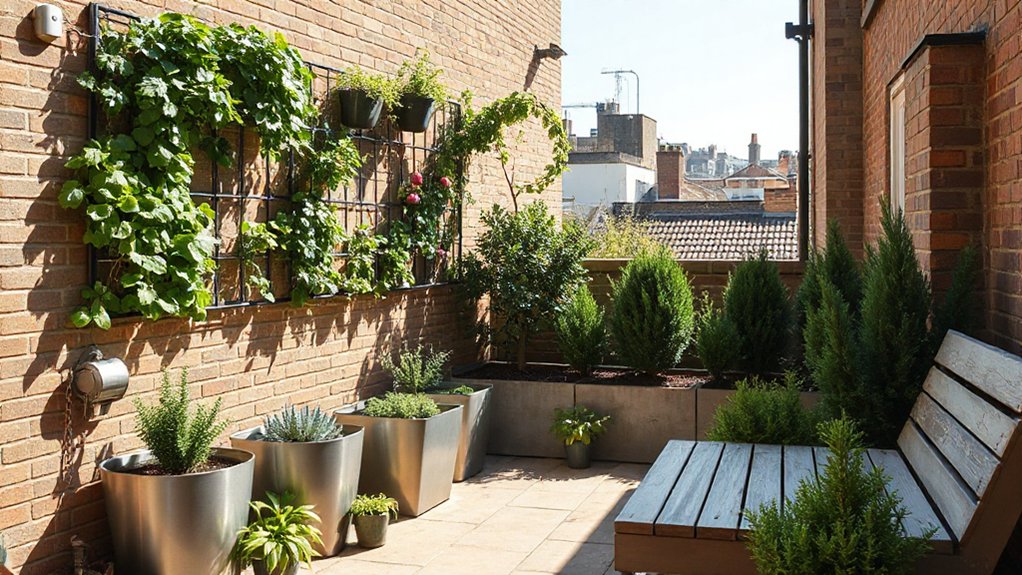
London homes thrive with low-muss-free greens that stay lush with minimal fuss. You’ll want hardy varieties that shrug off city conditions, stay compact, and resist common pests.
Start by choosing dependable, drought-tolerant options that look polished year-round.
Low-Muss-Free Urban Greens
Low-maintenance greens thrive in compact London plots by choosing resilient varieties and smart, space-saving layouts. You’ll maximize harvests with vertical planters, railing pots, and window boxes that catch the sun without crowding tiny yards.
Opt for hardy lettuces, spinach, chard, and herbs that tolerate irregular watering and urban heat. Mulch to lock in moisture, and group plants by water needs to reduce maintenance.
Use drip irrigation or self-watering containers to cut trips to the faucet. Keep paths clear to avoid soil compaction, which harms soil health and plant vigor.
Invite urban wildlife with native pollinator blooms nearby, which helps balance pests without chemicals. The result is tidy, productive greenery that stays stylish while needing minimal effort.
Hardy Varieties For London
Even in tight London spaces, sturdy greens prove their worth, thriving where other varieties struggle. You’ll want hardy varieties that resist pests, tolerate shade, and cope with variable rain and compact soil.
Choose compact lettuces, baby spinach, chard, and kale, all known for climate resilience in urban settings. Plant in raised beds or containers with rich, well-drained soil and consistent moisture. Mulch to preserve hydration between drips and dry spells.
Rotate greens seasonally to reduce disease pressure and maintain soil robustness. Opt for varieties labeled for cold tolerance and drought resistance, ensuring a longer harvest window.
Practice minimal, targeted care: timely harvests, light feeding, and integrated pest checks. With these choices, your urban plot stays productive and visually tidy year-round.
Smart Irrigation for London Gardens
Smart irrigation for London gardens combines precision with practicality, helping you save water while keeping borders lush. You’ll set up a system that targets dry spots and schedules runs around rainfall forecasts, so your garden drinks only what it needs.
Use compact, hidden controllers that sync with your weather data, then deploy zones tailored to sun exposure and soil type. Smart sensors monitor soil moisture, guiding each valve to open just enough, reducing runoff and puddling in tight London plots.
Opt for drip lines along beds and mulch to minimize evaporation further. Pair automation with a simple manual override for dry spells, and you’ll achieve steady growth without waste.
Emphasize water conservation without sacrificing visual appeal or plant health.
Seasonal Planting Plan for London Gardens
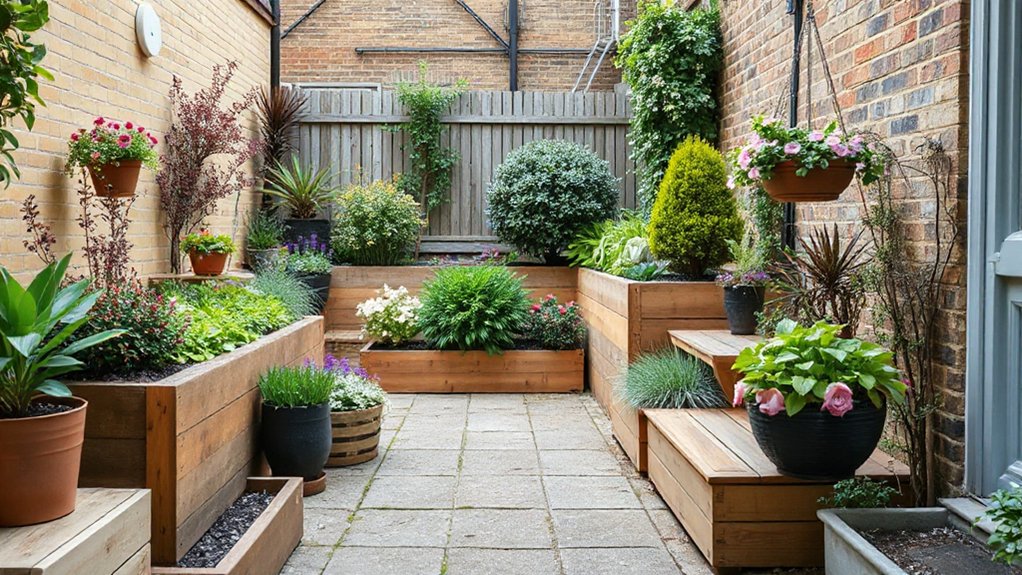
Seasonal planting in London gardens hinges on timing and local conditions, so you’ll align your beds with the city’s temperate, often unpredictable climate. Plan a staggered calendar that mixes seasonal blooms with year-round structure, prioritizing container versatility and compact beds.
Start with early spring bulbs for quick visual impact, then pair frost-tolerant perennials with heat-tolerant annuals for summer repeats. Track soil readiness and daylight shifts to choose classes of plants that thrive together, avoiding crowded roots and competition.
Keep a simple rotation: leafy greens or herbs in shaded corners, flowering focal points in sun, and a trailing element to soften edges. Practice garden composting to feed soils between sowings, reducing waste and maintaining nutrients for continuous displays.
Regularly refresh with new accents to sustain interest all season.
Budget-Friendly Updates to Boost Garden Impact
Explore cost-effective planting ideas, like compact perennials and container mixes that stretch your budget without sacrificing impact. Try space-smart hardscaping tricks—stepping stones, grid gravel, and vertical planters—to create defined zones with minimal disruption.
Enhance lightweight visualization with simple color schemes and reflective surfaces to make your garden feel bigger and brighter.
Cost-Effective Planting Ideas
Garden on a budget doesn’t have to look cheap; with a few clever plantings and smart sourcing, you can create impact without overspending. Start with core planting techniques that maximize space: compact height varieties, vertical planters, and self-watering groundcovers to fill gaps fast.
Choose perennials over annuals where possible to reduce replanting costs, and layer plants by bloom time for continual color. Opt for multi-purpose greenery—culinary herbs that double as frills in containers, or ornamental grasses that sculpt columns in confined patios.
Focus on soil improvement at every step: compost kitchen scraps, layer with leaf mold, and top-dress with a slow-release mix to extend moisture retention.
Rehome surplus pots, swap cuttings locally, and group containers to reduce purchases and maintenance. The result is a cohesive, lush look without blowing your budget.
Space-Smart Hardscaping Tricks
If you’ve stretched your budget on green spots, hardscaping can sharpen the impact without costing a fortune. Think compact, functional layouts that make tiny footprints feel roomier. Use narrow paths with uniform pavers to guide movement and visually extend space.
Elevate usability by multi-purpose surfaces—deck boards that double as seating or storage lids that hide clutter. Incorporate garden art as focal points rather than large features; a single sculpture or planter can anchor a corner and reduce visual noise.
Choose low-profile, durable materials in light tones to reflect daylight and brighten corners. For ambience without glare, install subtle outdoor lighting along edges and steps, and opt dimmable options.
Keep maintenance simple with modular elements that you can swap or upgrade over time.
Lightweight Visualization Enhancements
When you want more visual impact without a big spend, lightweight visualization ideas deliver quick wins. You’ll transform a small plot by layering simple, movable elements that don’t require permanent changes.
Start with focal points—potted statement plants or a bold sculpture—and move them seasonally to refresh the look. Use reflective surfaces sparingly to bounce light and enlarge perceived space, avoiding clutter.
Choose garden furniture with clean lines and compact footprints to keep pathways open. Arrange seating to create intimate zones without blocking sightlines.
For outdoor lighting, opt for solar or string options that highlight edges and architecture without heavy wiring. Keep color palettes cohesive to unify disparate elements.
Lightweight visualization thrives on repetition, balance, and purposeful placement.
Style, Scent, and Texture Across the Year in London Gardens
From winter through summer, London gardens transform with evolving style, scent, and texture, so plan for year-round interest rather than a single season. You’ll achieve this by layering plant heights and pairing evergreen structure with seasonal blooms, ensuring visual interest even in drizzle.
Use Garden scents from herbs like thyme or lavender near seating to create memory cues as you move through space.
Textural contrasts matter: mix sleek foliage with fuzzy grasses, smooth pots with rough bark, and glossy leaves with matte surfaces. Consider container groups that rotate monthly, providing fresh tones without crowding.
Acknowledge wind and light shifts, choosing hardy, compact varieties for sheltered corners. Map pathways to reveal scent corridors, guiding visitors through changing textures and colors all year.
Frequently Asked Questions
How to Maximize Privacy on a Tiny London Terrace Without Bulk Furniture?
You maximize privacy on a tiny London terrace by using vertical screens, tall grasses, and strategic plant layering, avoiding bulk furniture. Add garden lighting to create depth at night, attracting urban wildlife while you enjoy secluded serenity.
Which Low-Water Plants Thrive in London Shade and Sun?
Low-water plants thrive; shade-tolerant succulents endure sun and shadow alike. You’ll choose hardy options that tolerate drought, flourish in lamplight, and mingle with soft greens. You’ll pair textures, color, and form to sculpt a serene oasis.
Can I Install a Drip Irrigation System on a Rental Balcony?
Yes, you can install an automatic watering drip system on a rental balcony, but verify your lease and building rules. It simplifies garden maintenance, reduces waste, and keeps pots hydrated without daily effort or messy hoses.
What Are the Best Seasonal Crops for a Micro-Terrace in London?
Seasonal crops like leafy greens, radishes, and herbs thrive on a micro-terrace in London. You’ll maximize yields with urban composting and vertical planting, keeping soil rich and space efficient while you enjoy fresh harvests throughout the year.
How to Prevent Frost Damage on Container Plants Year-Round?
You’ll guard your containers year-round by applying soil insulation and choosing frost resistant plants. If you doubt it’ll work, start small, layer mulch deeply, move pots under shelter, and tailor watering; you’ll notice sturdier, longer-lasting growth.
Conclusion
Tiny London spaces can feel sky-high with the right setup. Picture a narrow balcony: tiered planters wrap the rail, a wall-mounted herb panel glows with green, and a compact seating nook finishes the scene. When I measured a 3m x 1m balcony, clever verticals added 60% more growing area and a scented corner became a year-round retreat. Your space, your year-round garden—compact, functional, stunning.