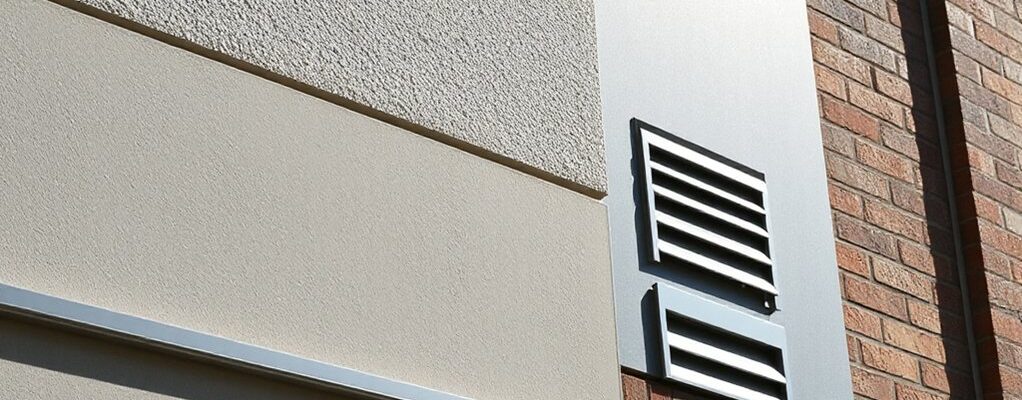
You’re evaluating render systems for UK external walls, weighing cementitious, mineral, and silicone options against climate, substrate, and regulatory demands. Each type offers trade-offs in durability, breathability, and maintenance, with movement joints and substrate prep shaping long-term performance. The choice hinges on exposure, sustainability goals, and warranty terms, yet installation quality remains decisive. With so many variables, you’ll want a clear decision framework before committing to a system that must endure Britain’s wet, freeze–thaw, and UV cycles.
What Renders Are Used on UK External Walls and Why They Matter
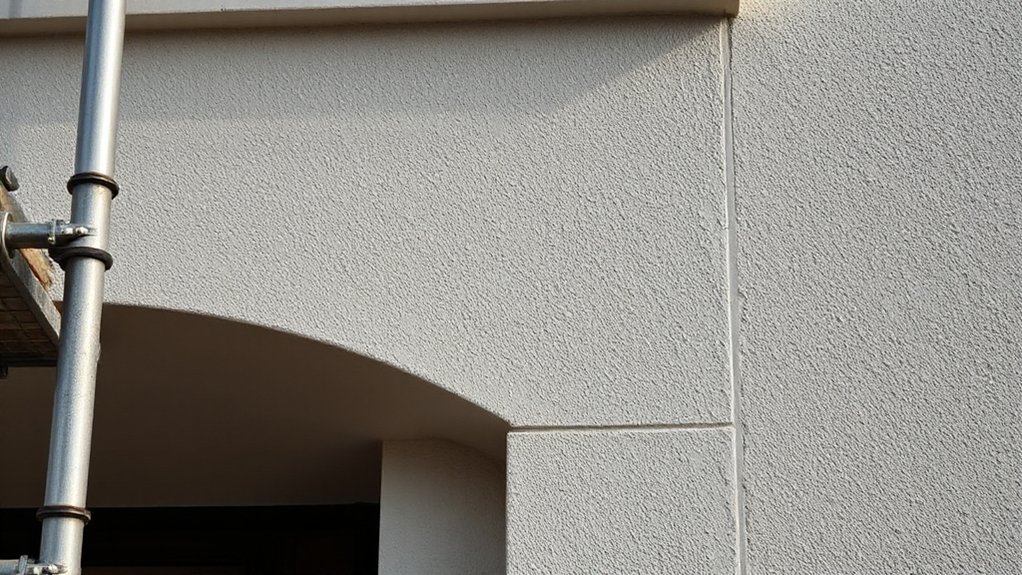
Renders used on UK external walls fall into three main categories: cement-based, mineral-based, and silicone-based (or elastomeric) systems. You’re evaluating why these options matter for performance, aesthetics, and installation practicality. Cement-based renders offer limestone-like texture and strong early protection but can be prone to cracking if movement isn’t addressed. Mineral-based renders provide breathable pores that support moisture management, favoring older or conservation-focused projects. Silicone-based systems deliver excellent weather resistance and long-term colour stability, with reduced maintenance needs. Color options and texture variations influence solar reflectance, carbon footprint, and perceived quality, guiding decision-making for climate exposure and surface preparation. Your selection should balance durability, breathability, maintenance demands, and the architectural intent while aligning with site-specific constraints and procurement timelines.
Evaluating Cementitious Renders: Durability, Breathability, and Cost
Cementitious renders offer a familiar texture and robust early protection, but their durability hinges on movement management, substrate compatibility, and detailing. You assess long-term performance by examining crack control, bond strength, and substrate preparation, ensuring timely repairs to prevent moisture ingress. Breathability matters: capillary action, water vapor transmission, and temperature-induced drying cycles determine moisture management and substrate health. Cost analysis should include material price, labor, weather windows, and reapplication intervals; lifecycle cost often favors products with superior adhesion and crack resistance, despite higher upfront expense. Environmental impact and aesthetic appeal influence selection, as some mixes emphasize low embodied energy or recycled content, while finish textures affect curb appeal. You compare maintenance needs, environmental trade-offs, and total cost to identify the most balanced cementitious option for each project.
Silicone Renders in the UK: Weather Resilience and Maintenance
You’ll assess how silicone renders perform under UK weather patterns, focusing on resilience to rain, freeze-thaw, and UV exposure. Maintenance considerations emerge around cleaning, coating longevity, and system compatibility with substrates and sealants. Key durability factors include lap adhesion, water repellency, and the interaction of silicone chemistry with environmental cycles.
Weather Resilience Overview
How do silicone renders perform under UK weather patterns, and what maintenance practices best preserve their resilience? You assess performance through weather exposure, curing dynamics, and hydro‑static behavior, noting silicone’s low water absorption and high weather resistance. Thermal insulation and breathability options influence edge detailing, while surface film integrity governs capillary movement and dirt resistance. You weigh environmental impact alongside life-cycle costs, focusing on UV stability, freeze–thaw resilience, and pollutant deposition. Maintenance, though reserved for a separate topic, factors into resilience via timely cleaning, crack control, and monitoring of gloss retention, without overstating interventions. Overall, performance hinges on material formulation, substrate compatibility, and detailing quality under cyclic UK loads and temperature shifts.
- Low water absorption supports durability and reduces staining
- Breathable films aid moisture management while preserving insulation performance
- Proper detailing minimizes crack propagation and environmental ingress
Maintenance Considerations UK
Maintenance considerations for silicone renders in the UK hinge on timely inspection, targeted cleaning, and proactive crack control to preserve performance after exposure to moisture, UV, and temperature cycling. You assess substrate condition, joint movement, and applicator workmanship to prevent moisture ingress and substrate delamination. Regular visual checks identify hairline cracking, delamination pockets, and efflorescence before they propagate. Cleaning strategies prioritize residue removal without compromising silicone elasticity, using gentle detergents and soft brushes to avoid abrasion. Crack management combines sealantKick with reinforcement where necessary, maintaining continuity of the render system. You evaluate thermal performance implications, ensuring consistent thermal insulation and preventing cold-bridge formation at terminations. Aesthetic enhancement remains a system goal, with color stability and surface uniformity tied to coating integrity and resistance to weathering.
Silicone Durability Factors
Silicone durability in UK renders hinges on how well the elastomer maintains elasticity, seals joints, and resists weather-induced degradation over time. In practice, the material’s microstructure must resist UV exposure, freeze–thaw cycles, and ponding while preserving cohesive strength at interfaces with substrates and finishes. Performance hinges on formulation, cure, and the presence of fillers that damp microcracking and efflorescence. Color options influence UV stability and surface chemistry, affecting glare and long-term hue retention. Installation techniques govern film integrity, bond durability, and curability under site conditions, making workmanship a critical durability factor. Expect careful inspection of joints, backing systems, and substrate compatibility to minimize delamination risk. Proper selection and maintenance optimize lifecycle performance and color consistency.
- Color options
- installation techniques
- Bond and cure considerations
Acrylic Renders: Aesthetics, Crack Resistance, and Climate Fit
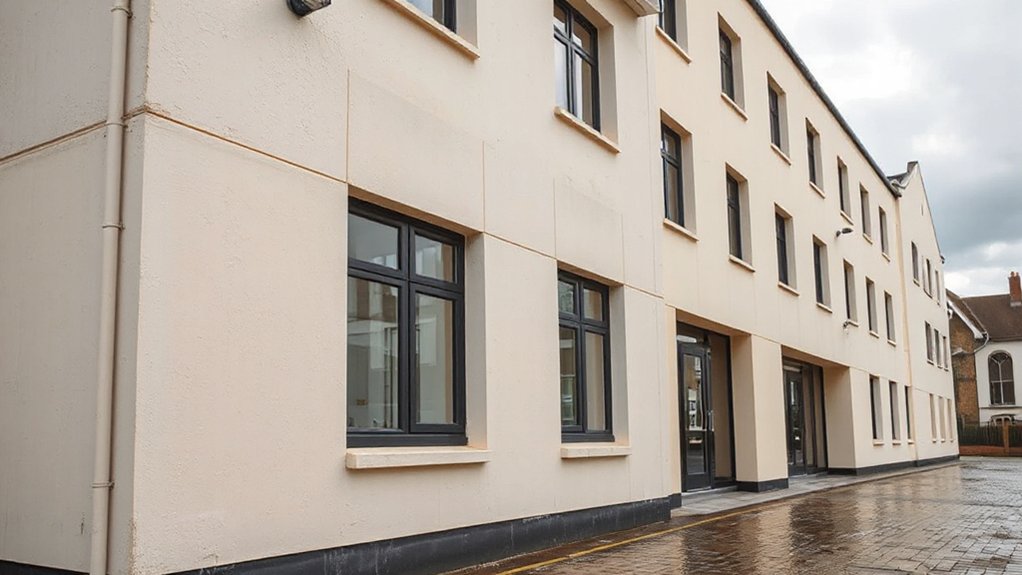
Acrylic renders offer a combination of rapid application, high color stability, and a smooth finish, making them a popular choice for UK external walls. You assess aesthetics through controlled pigmentation and uniform sheen, balancing color options with long-term exposure. Crack resistance emerges from acrylic polymer networks that accommodate substrate movement, reducing hairline cracking under thermal cycling. Yet, resistance depends on film thickness, substrate preparation, and proper detailing at edges and penetrations. Climate fit hinges on moisture management; breathable acrylic matrices prevent trapped humidity while maintaining image stability in wet periods. You evaluate maintenance implications, noting potential scheme touch-ups for color fading and weathering. Texture variations, from fine to coarse aggregates, modify light reflection and perceived depth without compromising adhesion. Overall, acrylic renders deliver consistent appearance, with predictable performance when installed to specification.
Polymer-Modified Renders: Performance Boosts and Practical Choices
Polymer-modified renders build on the strengths of standard cementitious systems by incorporating latex or other polymer binders to enhance adhesion, flexibility, and water resistance. You gain improved crack resistance and extended surface durability, with better resilience against thermal cycling. The polymers improve film formation, reducing water ingress while preserving breathability, which supports longer service life and easier maintenance. However, formulation choices affect drying shrinkage, curing time, and flexibility, so selecting compatible aggregates and admixtures is essential. Consider how polymer systems influence thermal insulation performance and aesthetic appeal, as pigment retention and surface texture can impact final appearance. Balance cost against performance gains, ensuring compatibility with substrates and protective coatings for exterior exposure.
- Enhanced adhesion and crack resistance with controlled curing
- Trade-offs between drying time, workability, and long-term durability
- Aesthetic options and thermal insulation implications
UK Climate, Regulations, and Warranty: How They Influence Render Choice
You must consider how UK climate profiles, building regulations, and warranty terms shape the selection of render systems. The analysis focuses on climate-driven performance needs, the regulatory requirements that govern material and application, and how warranty conditions influence long-term viability and risk management. This discussion sets up how climate, compliance, and guarantees collectively constrain and inform render choices.
Climate-Driven Render Choices
Climate conditions and regulatory requirements in the UK strongly shape render selection, because a cure time, durability, and compliance with warranty terms hinge on climate-responsive performance. You evaluate substrates, precipitation exposure, and seasonal temperature variance to select compatible mixes, adhesion promoters, and cure regimes. Performance forecasting relies on material science data, not guesswork, to guarantee long-term integrity under wet-droof cycles and freeze–thaw stresses. You consider render material innovations that optimize breathability, porosity, and moisture management while maintaining colorfastness and UV resistance. Sustainability considerations drive life-cycle thinking, embodied energy, and recyclability, aligning with both procurement goals and regulatory expectations. Precision in specification reduces maintenance cycles and strengthens warranty adherence through documented climate-maired behavior.
- Climate-driven mix choices and substrate compatibility
- Sustainability considerations and lifecycle impacts
- Render material innovations supporting durability and breathability
Regulations and Warranty Impacts
Regulations and warranty terms in the UK directly influence render selection by defining performance criteria, material eligibility, and installed-system verification. You assess compliance schemes, British Standards, and building-control approvals to guarantee your choice meets statutory expectations. Warranty terms translate performance guarantees into measurable durability, weather resistance, and substrate compatibility, guiding you toward compatible render systems and installation practices. You weigh regulatory acceptance of historical restoration goals, ensuring color, texture, and detailing respect heritage constraints while delivering modern performance. Eco friendly formulations are scrutinized for lifecycle impact, VOC limits, and recyclability, shaping procurement briefs and contract clauses. The interaction between regulation, warranty, and product data sheets clarifies risk allocation, warranty claim triggers, and maintenance regimes, enabling proactive, defensible render decisions.
Installation Best Practices and Maintenance for Long-Term Value
Proper installation and ongoing maintenance are the foundation of long-term performance for UK external wall render systems. You guarantee consistent substrate preparation, compatible render mixes, and controlled curing to prevent cracking, debonding, and moisture ingress. Regular inspections after seasonal shifts identify hairline cracks, coating delamination, and impact damage, enabling timely repairs that protect energy efficiency and facade integrity. Exterior texture and colour selection influence UV exposure, cleaning needs, and maintenance cycles; choose textures that balance aesthetics with resilience and verify compatibility with approved primers and sealants. Schedule proactive upkeep, including repainting or re-sealing per manufacturer guidelines, to maintain performance. Document outcomes, monitor moisture indicators, and adjust maintenance frequency based on climate, substrate condition, and system warranty requirements.
- Establish standardized inspection intervals and defect reporting
- Align texture choices with durability, cleaning, and failure risk
- Plan preventive maintenance tied to warranty and performance data
Decision Framework: Choosing the Right Render System for Your Project
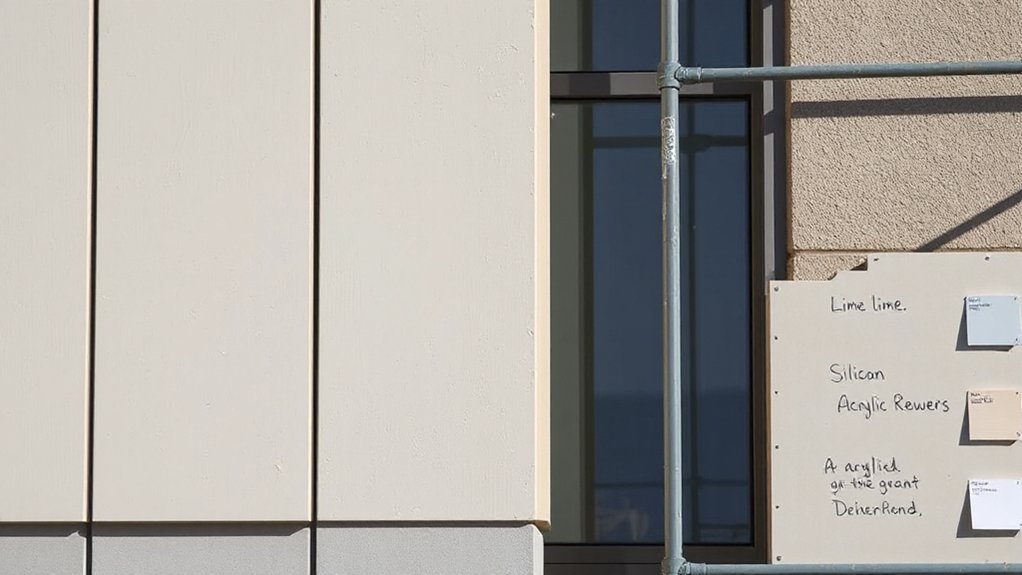
Deciding on the right render system hinges on aligning project goals with substrate realities, performance requirements, and lifecycle costs. You must quantify substrate compatibility, edge conditions, and moisture management to prevent delamination or cracking. Evaluate substrate preparation, curing regimens, and ventilation strategies to limit damp-related risks and optimize long-term performance. Compare render types by assessed thermal inertia, breathability, and UV durability, and estimate maintenance intervals and replacement timelines to minimize total cost of ownership. Incorporate innovative textures as design variables only where they do not compromise adhesion or weather resistance, ensuring aesthetic goals align with performance envelopes. Assess environmental impact through embodied energy, pollutant emissions, and end-of-life recyclability to satisfy regulatory and sustainability targets. Choose a system that balances reliability, lifecycle cost, and project-specific constraints.
Frequently Asked Questions
How Do Renders Affect Insulation in Listed Buildings?
You’ll find renders influence insulation by adding surface mass and reducing thermal bridges, with Historic preservation and Aesthetic considerations guiding material choices; you should analyze U-values, moisture risk, and breathability to protect listed buildings while maintaining character.
What Impact Does Light Reflectance Have on Render Performance?
Light reflectance influences heat gains and glare, affecting render performance. You’ll monitor reflectance properties to minimize thermal swings while preserving surface aesthetics, ensuring durability under solar exposure and maintenance accessibility for external wall systems.
Are There Fire-Safety Implications for Cementitious Vs Polymer Renders?
Cementitious renders generally pose lower fire-safety risk than polymer renders due to lower material flammability; however, ignition sources, additives, and system design matter. You’ll consider fire safety, assess material flammability, and guarantee compliant detailing and testing.
Can Renders Influence Building Energy Certifications and Ratings?
Yes, renders can influence energy certifications by affecting insulation performance and system thermal resistance, while exterior aesthetics and color options influence curb appeal and perceived efficiency, though actual ratings depend on tested performance, U-values, and installation quality.
What Maintenance Schedule Is Optimal for Different Climates?
Climate adaptation dictates a climate-specific maintenance frequency, optimizing protection and performance across zones. You should tailor inspections biannually in temperate climates, quarterly after extreme exposures, and annually in harsh conditions, applying timely repairs to sustain exterior material integrity.
Conclusion
In choosing a render, you assess substrate compatibility, climate exposure, and sustainability goals; you balance durability, breathability, and maintenance. You compare cementitious, mineral, silicone, acrylic, and polymer-modified options; you weigh moisture management against movement control, weather resistance against cost, and regulatory compliance against warranty terms. You test installation practices, monitor performance, and plan maintenance. You align your selection with long-term resilience, energy efficiency, and lifecycle value. You choose confidently, and you render with informed, enduring performance.