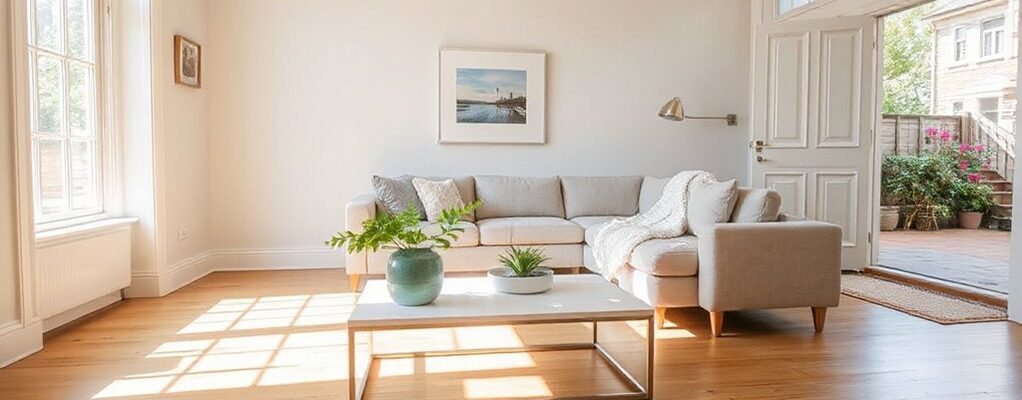
You’re about to streamline where to invest before you sell, focusing on safety, efficiency, and appeal that actually draws buyers in the UK market. Start with solid, code-compliant basics, then upgrade kitchen and bathroom touches, improve energy performance, and tighten layouts for light and flow. Boost curb appeal and stage spaces with neutral finishes, so your listing stands out online and in viewings—yet you’ll want a clear budget cap to avoid overinvesting as you move toward a sale. Want to map your plan next?
What UK Buyers Value When Assessing a Home
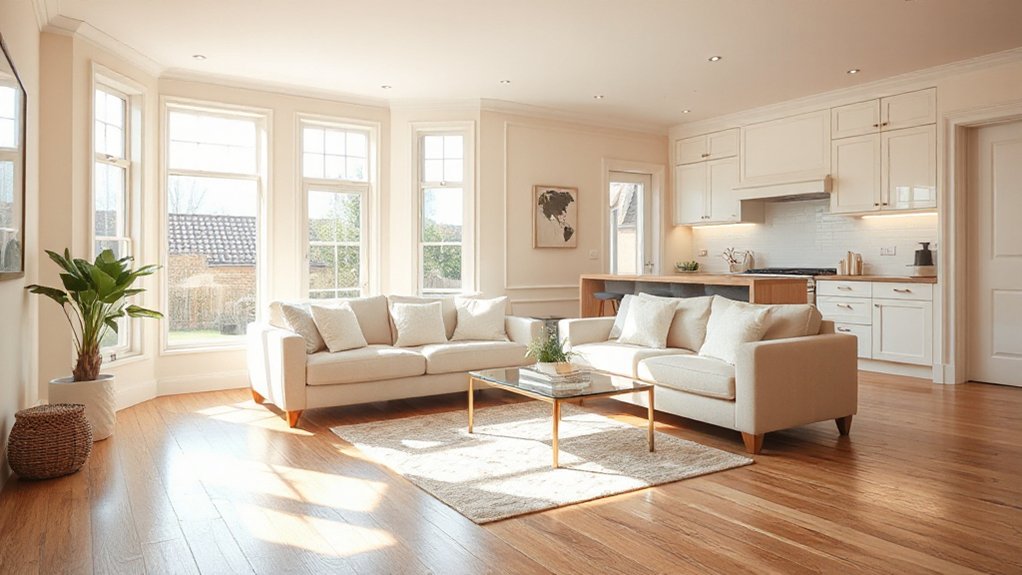
When buyers assess a UK home, they primarily look for condition, layout, and potential for future value. You’ll evaluate structural soundness, insulation, and boiler health, then consider how the floorplan suits everyday life and future needs. A logical, flowing layout wins points, while awkward corners or wasted space can deter serious offers. Neighbourhood amenities matter: proximity to schools, shops, transport, and green space influence ongoing desirability and resale potential. Local market trends shape price expectations, with buyers weighing recent sale prices, rental yields, and days-on-market to gauge value trajectories. You’ll also notice finish quality, soundproofing, and natural light, all contributing to perceived value. In short, buyers seek reliable fundamentals, clear value paths, and confidence that the home fits current and future lifestyles.
Quick Cosmetic Fixes to Boost Curb Appeal
Freshen exterior touch-ups to create a cohesive first impression, then assess pathway appeal for safety and flow. By prioritizing small, durable improvements, you can reliably influence curb appeal without large investments. This approach sets a clear baseline for evaluating subsequent cosmetic enhancements.
Freshen Exterior Touch-Ups
Could simple exterior touch-ups deliver noticeable curb appeal? Yes, with disciplined choices, you can elevate first impressions without costly renovations. Begin by evaluating common surfaces: peeling paint, faded fascia, dull gutters, and weathered doors. Prioritize areas visible from the curb, since impact often governs buyer perception. A targeted paint refresh on entry doors or trim yields the strongest return, while minor repairs to caulking and seals prevent moisture intrusion and unattractive gaps. Clean surfaces thoroughly to remove dirt, mold, and algae; this boosts finish adhesion and longevity. When selecting finishes, opt for neutral tones that complement surrounding garden landscaping and overall façade. Use weatherproof, high-adhesion products, and allow proper cure times. Document improvements for buyers to corroborate value.
Spruce Pathway Appeal
Sprucing up a pathway can boost curb appeal quickly with minimal cost, and these quick cosmetic tweaks focus on impact over overhaul. You assess the existing footprint, noting whether widening, repaving, or regrading is unnecessary. Prioritize low-effort changes: trim overhanging branches to improve visibility, clear debris, and sweep surfaces for a unified finish. Apply fresh edging to define the path, using durable, neutral-toned materials that complement the façade. Restore lighting along the route to extend usability and highlight features, such as garden privacy screens or shrubs, without overwhelming the scene. Allocate attention to driveway appeal by ensuring cracks are filled and joints sealed, reducing visual distractions. Consider seasonal plantings that frame rather than obscure entry points, maintaining a tidy, inviting approach for potential buyers.
Energy Upgrades That Pay Off for Buyers
If you’re buying a UK home, energy upgrades are a practical way to reduce running costs and boost resale appeal. This section evaluates which measures deliver measurable value for buyers, focusing on cost, performance, and perception. Solar panels reduce daytime electricity reliance and can lower bills, though savings depend on system size, orientation, and tariffs. Energy efficient windows cut heat loss and drafts, improving comfort and limiting future maintenance costs. Prioritise proven, compliant products with warranties and verified efficiency ratings, and consider installation impact on property value and saleability. Thermal upgrades, like roof insulation, offer high return on investment but vary by property type. Conduct a spreadsheet‑basedROI assessment to distinguish expense from tangible resale benefits, ensuring chosen upgrades align with local energy standards and climate.
Kitchen and Bathroom Refresh Ideas That Feel Premium
Premium kitchen updates, luxe bathroom makeovers, and finishing touches can collectively elevate perceived quality and resale value. In this section, you’ll assess how material choices, fixtures, and layout refinements influence consumer perception of a premium feel. We’ll examine which elements drive lasting value without overstatement, guiding you to targeted improvements.
Premium Kitchen Updates
Are you aiming for a kitchen that feels both luxurious and practical without a full remodel? To add premium impact, focus on targeted, high-ROI updates that read as durable and modern. You should evaluate finishes, hardware, and lighting for cohesion and perceived quality.
- Upgrade cabinet hardware and apply a consistent finish to elevate cabinets without reworking the shells.
- Install energy-efficient lighting layers (ambient, task, accent) with dimmers to tailor mood and functionality.
- Introduce integrated appliances or paneling to create a streamlined, high-end look.
- Choose durable, easy-clean surfaces (quartz or solid-surface counters) and matching backsplashes for a cohesive, premium feel.
Consider garden landscaping and security enhancements as framing elements around the kitchen update to maximize appeal.
Luxe Bathroom Makeovers
Luxurious bathroom makeovers hinge on precise, high-ROI updates that feel premium without a full overhaul. You should prioritise elements that elevate perception of space and quality without dramatic disruption. Begin with durable, water-efficient fixtures and understated finishes that resist quick obsolescence. Choose clean lines, minimal grout, and concealed storage to reduce visual clutter. Incorporate luxury fixtures where you’d expect premium impact, such as wall-mounted taps and hidden cisterns, to create a streamlined look. Spa inspired designs can guide material choices: cool neutrals, natural textures, and subtle contrast. Lighting matters: layered layers, including task and ambient, enhance perceived value and function. Avoid overfurnishing; selective upgrades yield stronger ROI. Conclude with a cohesive palette and consistent hardware across vanity, shower, and storage for a refined, market-ready feel.
Finishing Touches, Value
Finishing touches can meaningfully elevate both kitchen and bathroom spaces without a full remodel. You’ll refine value by prioritising select upgrades that read premium without overhauling structure. Focus on cohesion, contrast, and restraint, using strategic decorative accents and personal touches to distinguish the space.
- Replace or upgrade hardware with brushed metal or matte black finishes for a cohesive takeaway across rooms.
- Introduce under-cabinet lighting and dimmable LEDs to enhance task efficiency and ambience.
- Update mirrors, splashbacks, or countertops with low-maintenance, high-impact options that coordinate with existing fixtures.
- Curate accents like frame-worthy art, quality towels, and stylish storage solutions to convey intentional design.
This approach delivers perceived quality through refined details, not volume, ensuring measurable appeal for buyers.
Light, Space, and Layout Tweaks That Maximize Perceived Size
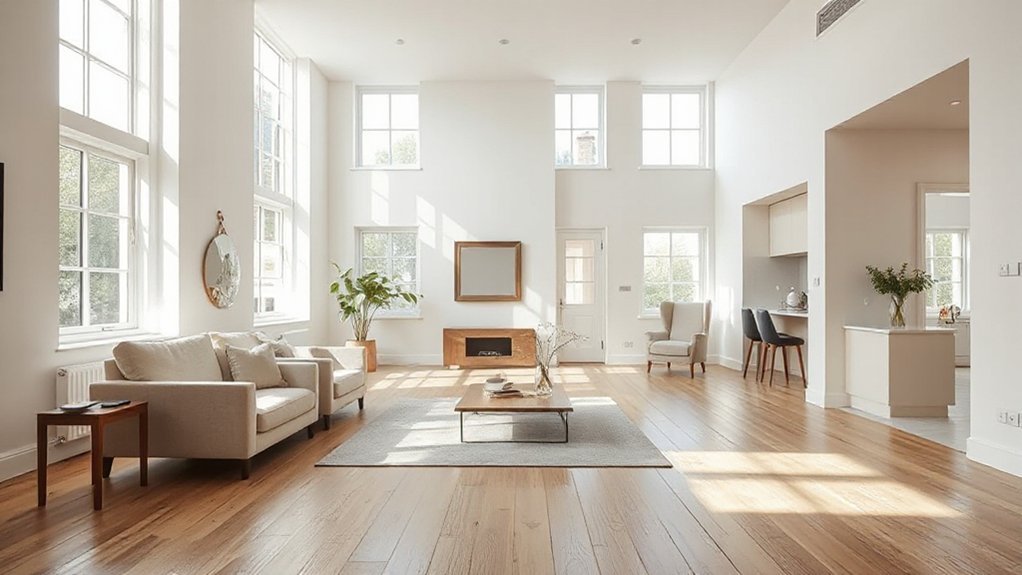
Natural light and efficient layout can dramatically alter perceived space in a UK home. You assess how room proportions and traffic flow influence spatial perception, then implement targeted tweaks. Prioritize natural lighting by maximizing window exposure, using sheer coverings, and avoiding obstructions that cast heavy shadows. This enhances brightness without added cost and helps rooms feel taller and more open. Employ layout changes that create clear sightlines: position key furniture to elongate walls, reduce visual clutter, and minimize door swing interference. Use reflective surfaces sparingly to avoid glare while boosting brightness. Choose cohesive color schemes with light neutrals to enhance continuity between spaces. Measure impact with simple before-and-after comparisons, documenting changes in perceived size to justify value gains.
Smart Staging and Photography to Accelerate Viewings
Smart staging and photography can markedly speed viewings by presenting your home’s strengths clearly and minimizing distractions. You’ll want to curate spaces to highlight flow, light, and practical usability, while avoiding clutter that signals poor upkeep. Precise styling and neutral tones reduce bias and help buyers imagine living there. Integrate modern tools to broaden reach and speed interest.
- Emphasize key photos, floor plans, and compelling opening shots.
- Use virtual tours to offer a detailed, proactive viewing experience.
- Include drone photography for exterior context and curb appeal.
- Align staging with target buyer profiles to maximize perceived value.
This approach enables quicker scheduling, stronger first impressions, and more informed, decisive inquiries.
Budgeting to Maximize Impact: Where to Invest
To maximize impact, allocate your budget where it drives buyer perception of value and reduces risk of objections. You should conduct a focused cost–benefit assessment, distinguishing high-return upgrades from cosmetic enhancements. Prioritise fundamentals—structural safety, roof integrity, plumbing and electrical reliability—before cosmetic refreshes, as these signals influence perceived risk. Use budget planning to allocate funds toward updates that offer durable value, such as energy efficiency improvements, modern fixtures, and quality finishes that endure. Quantify expected lift in sale price relative to cost and time to sale, aiming for a positive return on investment. Prioritise investment priorities that address commonly stated objections, document verifiable improvements, and avoid over-improving beyond comparable local markets. Maintain a rigorous, evidence-based approach to drive value without unnecessary expenditure.
Outdoor Spaces and Low-Maintenance Appeal
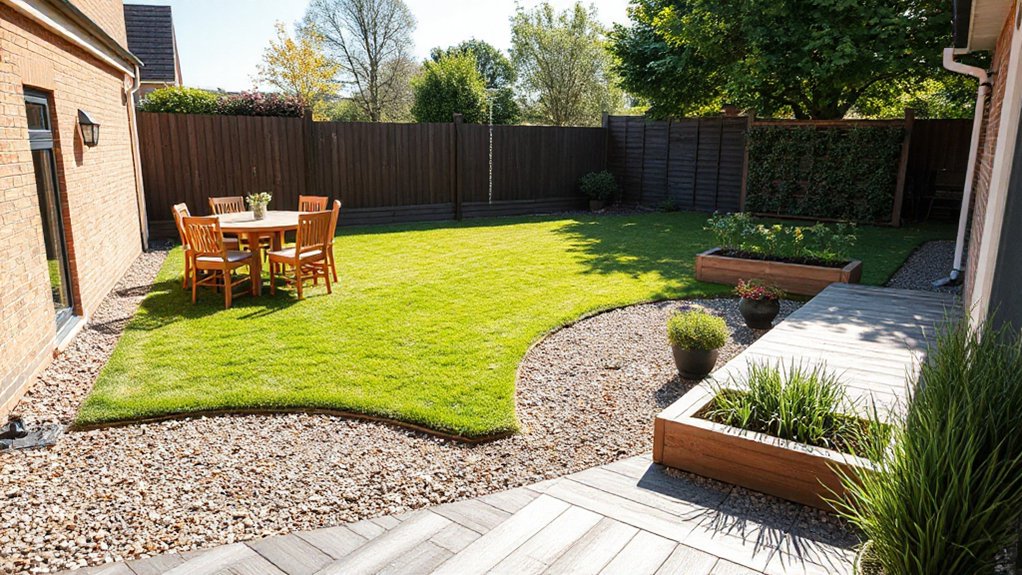
Outdoor spaces shape buyer perception and maintenance risk just as strongly as interior updates, so focus on creating inviting, durable areas that require minimal ongoing effort. You should prioritise low-maintenance design, weather-resistant materials, and straightforward upkeep routines to minimise time and cost.
- Choose durable surfaces and weatherproof finishes
- Select modular Outdoor furniture with protective covers
- Install discreet Garden lighting for safety and ambiance
- Use native, drought-tolerant planting to reduce irrigation needs
A concise, objective approach helps buyers see value: well-lit evenings, functional seating, and easy-care landscapes reduce perceived risk. Document warranties and maintenance schedules to reinforce confidence. Avoid high-maintenance features that demand frequent attention or costly repairs, as these can deter offers or lower perceived value.
Crafting an Online Listing That Attracts the Right Buyers
Crafting an online listing that attracts the right buyers starts with presenting a clear, factual snapshot of what your home offers and how it minimizes buyer risk. You should balance objective details—square footage, room counts, and condition—with verifiable disclosures to establish credibility. Highlight unique selling points without exaggeration, and structure information so readers can quickly assess suitability. Incorporate high-quality photos and concise captions that align with the textual summary, ensuring consistency across platforms. Use virtual tours to reduce uncertainty and enable remote evaluation, then provide a logical sequence for in-person viewings. Leverage social media to reach targeted audiences while maintaining privacy and accuracy in messaging. Track engagement metrics, refine descriptions, and avoid overstatements that could invite post-sale disputes.
Frequently Asked Questions
How Soon Should I Start Improving Before Marketing My Home?
You should start 4–8 weeks before marketing, allowing staging techniques and curb appeal enhancements to settle. You’ll compare costs and ROI, monitor progress, and adjust plans as needed to optimize perceived value and speed of sale.
Which Home Improvements Most Boost Resale Value in the UK?
Garden landscaping and bathroom renovations yield the strongest UK resale boosts. You should prioritise durable, high-ROI updates, plan carefully, and budget precisely; these improvements typically yield clearer value, improved curb appeal, and faster, higher offers.
Are There Any Costs I Should Avoid When Upgrading?
Yes—avoid cost pitfalls and rénovation mistakes. You’ll waste money on overpriced finishes, oversized projects, and scope creep; stay pragmatic, lock in budgets, and prioritize high-ROI updates to prevent regret and preserve resale value.
Do Energy Upgrades Recoup Costs in the Sale Price?
Energy efficiency can boost appeal, though cost recoup varies by project. You’ll often recoup some value, but not all. Even so, you gain comfort and lower running costs, juxtaposing upfront spend against longer-term savings and resale appeal.
How Can I Prioritize Updates for the Best ROI?
Prioritize updates with proven ROI: focus on interior staging and curb appeal, then tackle cost-effective basics. You’ll see the best return by staging rooms to highlight space and upgrading exterior first, before pricey structural changes.
Conclusion
To maximise value, prioritise improvements that buyers notice and remember—curb appeal, a bright, open feel, efficient systems, and modern kitchens and baths. Balance cosmetic upgrades with structural and energy efficiency gains for lasting impact. Invest where return is proven: insulation, solar, and tidy, low-maintenance exteriors, paired with clean staging and sharp photography. Think of your home as a product: you’re selling perception and reality in one package, like a well-tinished showroom that still feels like home.