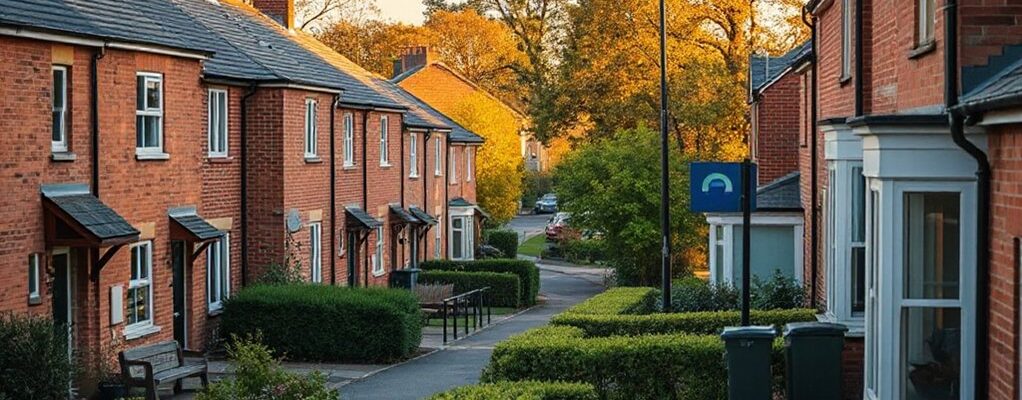
Think of Luton as a buyer’s map: you’ll want solid transport links, steady price growth, and safe, school-friendly streets. You’ll find neighborhoods like Leagrave, Dunstable Road, and Bute Street offer a balance of affordability, amenities, and future potential, with easy access to Luton Station and motorways. Ready to weigh the metrics, compare risks, and identify the best fit for your budget and plans? Let’s start with the data that matters.
Why Luton Works for First-Time Buyers: An Upfront Framework

Luton offers a compelling mix of affordability, accessibility, and growth potential that makes it a smart starting point for first-time buyers. You’ll find a structured, data-backed framework here that shows why this city suits your entry into property investment.
You’ll prioritize affordability trajectories, transport links, and school catchments, then cross-check against local rent-versus-purchase ratios to estimate break-even timelines.
You’ll also evaluate planed regeneration schemes, council incentives, and loan products tailored to first-time buyers, ensuring you move from plan to possession with confidence.
Local amenities anchor value, from supermarkets to healthcare to leisure, so you can forecast daily utility costs and lifestyle fit.
This upfront approach keeps your strategy focused, measurable, and aligned with Luton’s evolving neighborhood dynamics.
The Metrics That Matter for Luton’s Neighborhoods
To gauge a neighborhood’s fit for first-time buyers, you’ll zero in on four core metrics: price momentum, transport accessibility, school catchment performance, and rental yields.
In Luton’s micro-markets, price momentum flags sustained value growth or stagnation, while transport accessibility maps near-term commuting saves and daily convenience.
School catchment performance directly links to resale value and tenant appeal, so you’ll compare Ofsted-like indicators and recent performance shifts.
Rental yields reveal cash-flow potential, adjusted for seasonal demand and vacancy risk.
Local market trends show how fast zones tighten or loosen, guiding timing decisions.
Neighborhood amenities—parks, shops, healthcare, and safety—shape desirability and long-term livability.
Use these controls to filter investments, ensuring data-driven, hyper-local decisions.
Affordable Areas in Luton With Growth Potential
If you’re chasing affordability without sacrificing growth potential, certain Luton’s enclaves stand out. You’ll notice pockets near Leagrave, Bute Street, and Dunstable Road showing consistent price upticks year over year, driven by affordable entry points and improved transport links.
Property investment in these areas benefits from growing demand from first-time buyers and commuters seeking quick city access without premium rents. Local amenities cluster around neighbourhood centers, with new supermarkets, cashless convenience stores, and emerging co-working spaces bolstering daily livability.
Look for projects combining modest price bands with planned upgrades—road improvements, cycle routes, and greener spaces. While prices rise, these zones retain value due to proximity to motorways and the Luton Train Station.
Target neighborhoods that balance affordability, accessibility, and scalable growth potential.
Family-Friendly Luton’s Neighborhoods With Schools and Safety
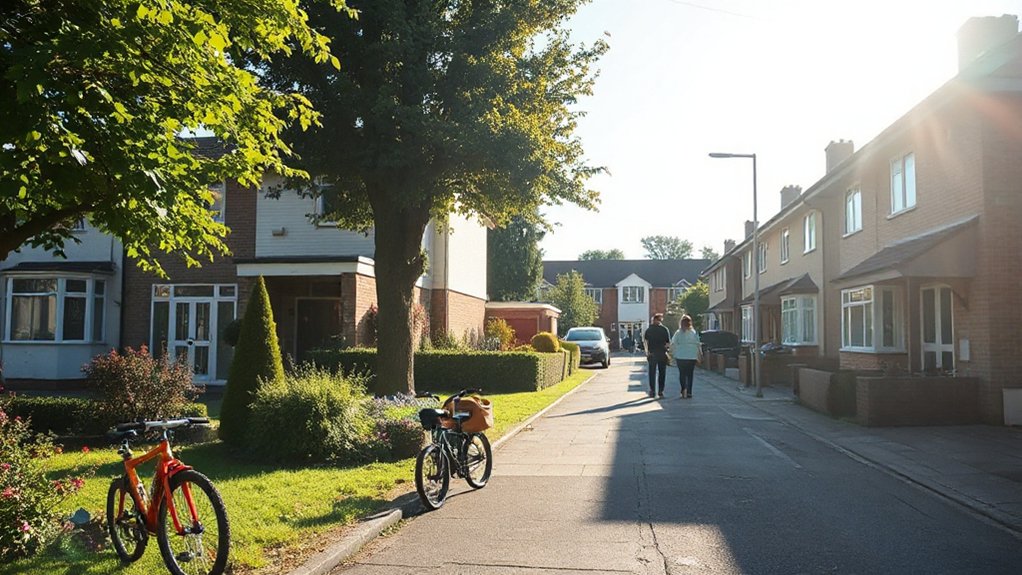
Family-friendly Luton’s neighborhoods shine when you prioritize schools, safety, and daily livability.
In Leagrave, you’ll find highly rated primaries and a lower crime rate per capita, supported by strong Ofsted outcomes and steady housing turnover.
Stockwood Park offers expansive community parks and well-maintained greens, with walkable routes to reliable local amenities like libraries, cafes, and post offices.
In Bramingham, you’ll benefit from multi-campus secondary options, visible police presence, and dedicated youth services, creating predictable daily rhythms for families.
Alerts and neighborhood watch programs provide added safety layers, while pocket-sized parks and playgrounds improve evening routines.
If you want data-driven reassurance, review school performance dashboards and crime statistics for each area; they align with your need for stable, family-first living.
How to Compare Luton’s Neighborhoods and Next Steps
You’ve seen how different Luton’s neighborhoods perform on schools, safety, and daily livability; now it’s time to compare them directly and map out next steps. Start with a side-by-side metric you control: crime rates, school ratings, commute times, and housing costs. Pull from local data sets, council reports, and council tax bands to benchmark affordability.
Weigh Community amenities and access to parks, supermarkets, and healthcare against price per square foot and resale trends. Map routes via Local transportation options to estimate door-to-door times for typical workdays.
Next, create a shortlist of two to three areas that meet your priority mix, then visit at different times to observe noise, traffic, and foot traffic. Conclude with a decision grid and a 12‑month plan for securing a mortgage and making an offer.
Frequently Asked Questions
How Do Commute Times Vary Within Popular Luton’s Areas for First-Timers?
Commute times vary by neighborhood; you’ll notice shorter trips near Luton town center and slower waits farther out. Public transport accessibility improves near rail links, while neighborhood safety ratings stay higher downtown, guiding you toward consistently reliable, data-driven options.
Which Areas Have the Most Affordable Moving Costs in Luton?
Affordable neighborhoods in Luton include Stopsley and Leagrave, where moving cost factors are lower due to proximity to services. You’ll save on packing, transit, and timing, and data shows consistent lower overall moving costs than central areas.
Are There Hidden Gems Outside the Top 5 Growth Zones?
Yes, there are hidden gems beyond the top five growth zones. You’ll notice strong local amenities, a resilient community vibe, and favorable micro-trends. Data indicates steady demand, walkability, and affordable options in nearby pockets you should scrutinize.
What Grants or Incentives Assist First-Time Buyers in Luton?
Look, you qualify for homebuyer assistance and first time buyer incentives here in Luton; check local programs, equity loans, and affordable schemes. You’ll maximize grants, subsidies, and stamp-duty relief with data-driven, hyper-local guidance.
How Do Property Taxes Impact Monthly Budgets in Luton’s Neighborhoods?
Property tax rates vary by neighborhood, so you’ll see different monthly impacts; use budget planning to account for these variations, monitor annual changes, and compare councils’ rate trends to keep your Luton’s monthly costs predictable and data-driven.
Conclusion
Luton offers a solid path for first-time buyers, anchored by affordable pockets, strong transport links, and family-friendly amenities. Leagrave, Dunstable Road, and Bute Street stand out for price growth potential, schools, and low crime. Proximity to Luton Train Station and major roads sustains commuting options while local parks and healthcare boost quality of life. If you’re weighing options, isn’t a data-driven, neighborhood-first choice the smartest move for long-term stability and community feel? You’re ready to act.