You’ll notice a coincidence: Colchester’s historic charm now sits alongside modern, sustainable aims in 2026. As you weigh districts, you’ll find data-driven insights on housing costs, school quality, transport links, and green space, all tied to community priorities and council plans. If you want a city that’s both rooted and forward-looking, you’ll want to compare how these factors play out in daily life—and what that means for your next move.
How Colchester Districts Fit Different Budgets in 2026
Colchester’s districts offer a clear spectrum of options for 2026 budgets, from affordable starter neighborhoods to higher-value areas with stronger transport links and amenities. You’ll see a deliberate mapping of cost bands to services, with data showing average rents and prices by ward alongside projected infrastructure investments.
Budget-conscious choices prioritize transit access, walkability, and community facilities, while mid-range districts balance price with upscaled amenities and ongoing regeneration.
For luxury segments, districts with historic architecture and premium apartment stock—including Luxury apartments—are paired with enhanced safety, schools, and cultural access. Historic landmarks contribute to higher valuation but also steady demand, reinforcing long-term affordability through stability.
Policy emphasis centers on transparent caps, targeted subsidies, and equitable development to sustain mixed-income neighborhoods.
Top Family-Friendly Areas Near Strong Schools in Colchester
You’ll see that family-friendly schools nearby shape daily routines, commute times, and after-school access across Top-Rated Colchester Areas. Data highlights neighborhoods with strong school performance, safe streets, and walkable routes, guiding informed choices for families.
This discussion will focus on how these areas balance educational quality with community resources and policy-supporting investments.
Family-Friendly Schools Nearby
For families prioritizing academics and safety, Colchester’s top school-adjacent neighborhoods offer a compelling mix of high-performing primary and secondary options, accessible transit, and engaged local networks.
You’ll find measurable outcomes in school rankings, inspector reports, and parent surveys that point to consistency across key indicators like literacy, numeracy, and student well-being.
Local councils publish safety and traffic data to help families evaluate commutes and safe routes.
Community groups coordinate tutoring, after-school programs, and volunteering, strengthening school–neighborhood ties.
Neighborhood nightlife and cultural events are structured around family-friendly venues, ensuring evening routines stay manageable.
Policies favor long-term stability, with phased catchment plans and school investments designed to balance capacity, diversity, and academic excellence for nearby families.
Top-Rated Colchester Areas
Many families prioritize schools, safety, and community resources, so Colchester’s top-rated areas near strong schools stand out for integrated living. You’ll find neighborhoods with consistently high Ofsted ratings, proximity to top primary and secondary schools, and walkable access to parks and libraries.
Data shows lower crime rates in these zones and stable property values, signaling long-term affordability and predictability. Community surveys highlight active neighborhood associations, well-attended local meetings, and coordinated safety initiatives.
Historic architecture and tree-lined streets contribute to quality of life, while planning policies encourage mixed-use hubs that support daily errands and after-school activities.
In practice, these areas host frequent community events, school-led programs, and collaborative enhancement projects that sustain a family-friendly ecosystem for years to come.
Where to Live for Quick Train and Road Links in Colchester
If you’re prioritizing quick train and road links in Colchester, focus on neighborhoods closest to the main rail hubs and road corridors, since proximity directly correlates with reduced commute times and better access to services.
Data shows that areas within a 15-minute drive or a short walk to Colchester Town and Colchester Rail Station offer the strongest connectivity to London, Norwich, and Ipswich corridors.
In practice, you’ll find faster peak-hour commutes and more reliable bus-to-train transfers in these districts.
Policies favor mixed-use developments near stations, enhancing walkability and local services.
Pay attention to neighborhoods with historic architecture that has been revitalized for transit access, and seek spots near diverse local cuisine options to support vibrant, connected communities.
Green Spaces and Outdoor Lifestyle Spots in Colchester Neighborhoods
Colchester neighborhoods offer a mix of formal parks, nature reserves, and accessible outdoor corridors that support healthy, climate-resilient living. You’ll find data-backed access to green space, with measurable benefits in air quality, flood mitigation, and heat reduction across wards.
Community gardens expand local food security, foster volunteerism, and create neighborhood social capital, while cycling routes connect residents to schools, workplaces, and services, reducing car dependence.
Policy emphasis prioritizes multi-use trails, bioswale buffers, and seasonal maintenance schedules to sustain usability year-round.
In planning terms, green space density, proximity to active recreation areas, and protected habitats inform equitable distribution, aligning with council climate targets.
Residents gain predictable opportunities for outdoor activity, climate resilience, and community collaboration as core living standards.
Colchester Old Town vs. Suburbs: Town Center Vibes and Quieter Corners
Old Town combines walkable grids, heritage-led density, and compact amenities that keep services within easy reach, while suburban neighborhoods offer quieter streets, larger homes, and more green space per resident.
You’ll notice a tangible center-to-suburb dynamic in Colchester, where Historical architecture anchors the core, and modern policy aims promote affordable, mixed-use development to sustain that vibrancy without sacrificing livability.
In town center areas, boutique shopping, near-daily services, and pedestrian-oriented design support high footfall and reduced car dependence—key metrics the council tracks for sustainable growth.
Suburbs deliver predictability, family-friendly zoning, and slower traffic, with strategies prioritized for flood mitigation, school quality, and affordable housing.
If you value nuance, you’ll appreciate data-backed tradeoffs between density, access, and long-term resilience.
Lakes, Parks, and Leisure Near Colchester Living Areas
Lakes, parks, and leisure spaces play a pivotal role in Colchester living areas, shaping quality of life through accessible green infrastructure, parkland programming, and recreation options that align with local policy goals. You’ll see data-driven benefits in neighborhoods with integrated open spaces, measurable biodiversity, and multi-use trails that support daily activity.
Lakeside leisure facilities expand seasonal programming, improving year-round accessibility for residents and visitors alike. Park proximity is correlated with higher fixture attendance at community events and lower commute times to outdoor recreation, reinforcing equity goals in housing plans.
Policy emphasis on maintenance funding, safer pedestrian networks, and inclusive amenities drives nearby investment, school partnerships, and volunteer-led initiatives. In practice, expect enhanced livability where natural assets connect housing to accessible, affordable leisure across Colchester.
Colchester’s Best Options for First-Time Buyers
You’ll see that affordable entry homes, strong transport links, and easy access to local amenities shape first-time buyer options in Colchester.
The data shows steady price-to-income ratios, reliable rail and bus connections, and thriving neighbourhoods with shops and services within walkable distances.
Policy, housing supply, and targeted support will determine how these factors translate into real, practical choices for you.
Affordable Entry Homes
Data shows modest quarterly price growth, helping you forecast affordability over five years while maintaining opportunity for appreciation. Local policy emphasizes inclusive zoning, enabling modest-density developments and officer-backed grants that reduce upfront costs.
Community input highlights desired amenities: green spaces, reliable schools, and walkable town centers. Consider urban renovation opportunities where selective refurbishments revitalize overlooked blocks, and plan to leverage historic landmarks as anchors for value and cultural identity.
This approach aligns budget discipline with long-term resilience.
Transport Links Proximity
Nearby transport links shape affordability and daily life for first-time buyers in Colchester. You’ll see how proximity to rail lines, bus corridors, and cycling routes influences property choices and long-term costs.
Data show that areas within a 15-minute walk to a rail station or major bus hub tend to offer stronger commuter connections and lower monthly travel expenses, improving overall affordability.
Policy-focused insights suggest planned upgrades to Colchester Town and nearby interchange hubs could boost resale value and reduce congestion, making these districts more resilient to price swings.
Public transport access correlates with higher daytime employment opportunities and more reliable commute times.
For first-time buyers, prioritize neighborhoods with diversified routes, clear timetable reliability, and gradual infrastructure improvements that support sustainable growth.
Local Amenities Access
Data show clustering of amenity hubs around affordable housing zones, which helps stabilize prices and attract family-oriented networks. Policy-wise, mixed-use zoning and reliable public transport funding enhance accessibility without sacrificing character.
In your evaluation, map historical architecture clusters alongside cultural festivals venues to gauge integration with living space. Proximity to libraries and cultural centers complements practical needs and social engagement.
Ultimately, amenity-rich areas tend to outperform on resale value, provided infrastructure keeps pace with demand and preserves distinctive local identity.
What You Get for Price: Value-For-Money Neighborhood Profiles
In Colchester, you can compare neighborhoods by what you get for your price, focusing on value alongside access to schools, transit, and amenities. You’ll see price-adjusted scores for home size, upkeep, and long-term costs, helping you weigh upfront outlays against ongoing expenses.
Value metrics cover school quality, green space, and local services, so you can prioritize communities that maximize daily returns.
Historical architecture often signals durability and cultural identity, while proximity to transit reduces commute costs and time.
Cultural festivals reflect strong community engagement and potential spillover benefits for renters and buyers alike.
This approach guides policy-informed choices, emphasizing affordable access to utilities, safety, and municipal investment.
The result is transparent comparisons that align budgets with long-term livability.
Safe Neighborhoods and a Strong Community Feel in Colchester
Do you value safety and a tight-knit community? Colchester’s safer neighborhoods show lower crime rates, consistent policing presence, and stronger resident engagement, which together boost overall well-being.
Data from local crime dashboards, council reports, and school feeder analyses indicate that steady community policing, well-lit streets, and accessible reporting channels correlate with higher perceived safety and trust in neighbors.
You’ll notice that neighborhoods hosting regular Community events foster social cohesion, improving informal monitoring and reciprocity.
Policies prioritizing traffic calming, park maintenance, and neighborhood watch programs reinforce this effect, creating predictable environments for families and long-term residents.
If you’re evaluating areas, weigh neighborhood safety metrics alongside opportunities for civic participation, since active residents sustain a resilient, connected Colchester.
Upscale Pockets in Colchester: Premium Living Explained
Upscale pockets in Colchester offer high-end living without sacrificing community access, and they’re defined by targeted investments that elevate both amenities and safety. You’ll see a measurable mix of renovated streetscapes, gated access, and proactive policing data that align with resident preferences for secure, walkable neighborhoods.
In these areas, new Luxury apartments coexist with preserved heritage housing, signaling a deliberate balance between prestige and inclusivity. Developers emphasize modern amenities, such as co-working spaces, curated green spaces, and advanced security systems, all underpinned by policy-focused planning that prioritizes long-term maintenance funding.
Community associations track quality-of-life indicators, pushing continuous improvements rather than episodic projects. If you value consistency, transparency, and measurable livability, these pockets represent Colchester’s premium living model.
Transit-Friendly Pockets and Upcoming Development Plans in Colchester
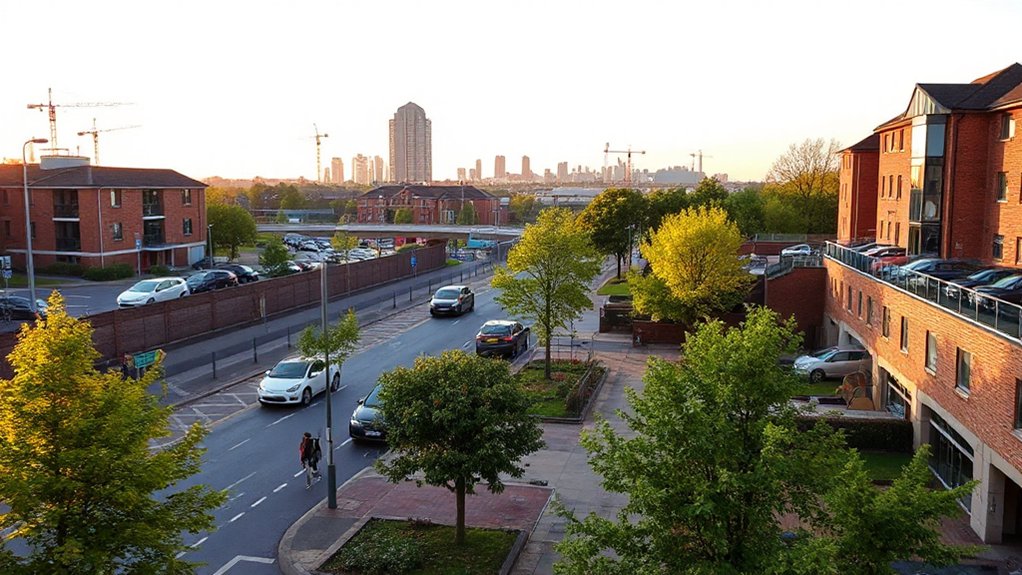
Transit-friendly pockets are poised to shape Colchester’s next phase of growth, building on the premium living model by prioritizing reliable connectivity, frequent service, and smart land-use planning. You’ll notice new routes aligned with demand, reducing commute times and supporting local businesses.
Public transportation investments target core corridors, with frequent daytime and evening services and safer pedestrian networks. Urban planning decisions emphasize mixed-use zones that couple housing, workplaces, and amenities, encouraging walkability and reduced car dependency.
Development plans include density boosts near transit hubs, modest zoning adjustments, and infrastructure upgrades like protected bike lanes and updated signaling. You gain clearer mobility options, stronger property values, and a resilient, inclusive growth path tailored to community needs and long-term affordability.
Family Street Life: Neighborhoods With Community Events
Neighborhood life thrives where street gatherings, markets, and school events consistently weave residents together. In Colchester, many neighborhoods host monthly farmers’ markets, seasonal festivals, and open-forum coffee hours that strengthen social ties and civic engagement.
You’ll notice that areas with active Community festivals and robust Neighborhood associations tend to report higher resident participation in local councils and school committees, boosting policy responsiveness and service use.
Data shows neighborhoods with scheduled public events outperform passive districts on engagement metrics, funding access, and volunteer rates.
Strategic emphasis should prioritize affordable event spaces, accessible transport to event hubs, and inclusive programming to sustain momentum.
Targeted support for volunteer coordinators and cross-neighborhood collaborations enhances coherence, resilience, and equitable access to cultural and civic resources across Colchester.
Historic Charm and Modern Convenience in Colchester Old Town
Historic Colchester Old Town blends centuries of character with today’s practical amenities, where brick-paved lanes, preserved façades, and independent shops meet reliable broadband, walkable access to services, and near-daily urban conveniences.
You’ll find historical architecture that supports heritage tourism while supporting local economic resilience through targeted business incentives and storefront modernization.
Data shows high pedestrian turnover, stable rental demand, and a growing mix of cafes, co-working spaces, and cultural venues, all within compact transit corridors.
Policy focus prioritizes flood-aware retrofitting, affordable housing near town centers, and expanded digital connectivity to sustain service access.
Residents benefit from participatory budgeting for upkeep of streetscapes and public domains, ensuring historical charm stays aligned with modern amenities and community needs.
Suburban Crescents to Watch in Colchester
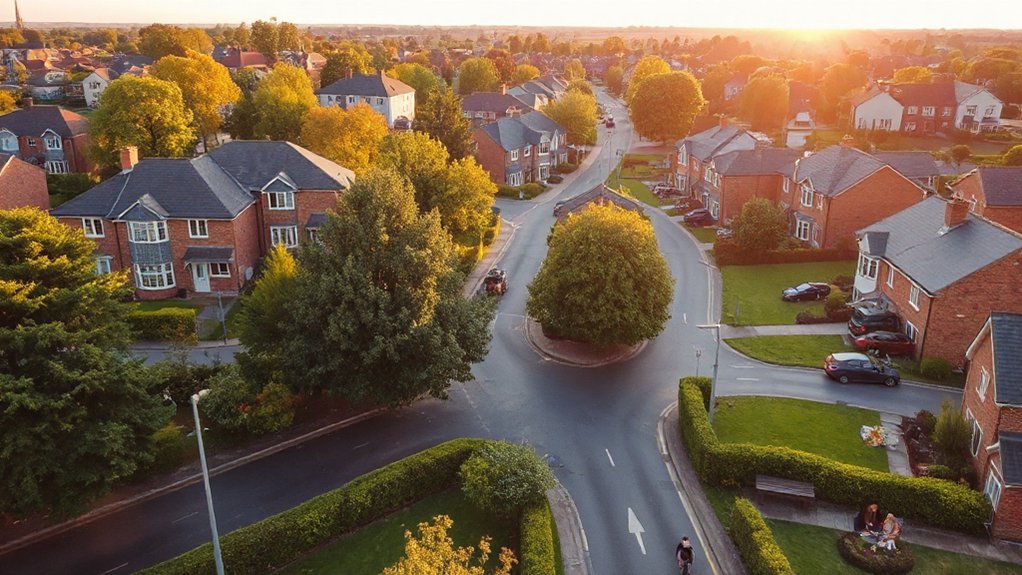
You’ll see how Cozy Suburban Corridors, with their tree-lined streets and close-knit blocks, shape daily routines and housing choices across Colchester.
The data highlights families prioritizing Crescent Living amenities—parks, schools, and safe, walkable routes—while growth policies focus on preserving green space and improving local transit access.
As we assess Transit-Ready Ring Roads, you’ll consider how connectivity supports affordability, mobility, and resilient community planning.
Cozy Suburban Corridors
Data show shorter commute times to town centers, schools, and clinics, supporting ongoing population stability.
Policy-oriented residents advocate for protected cycle lanes, improved bus frequencies, and mixed-use zoning that preserves low-rise character while adding essential services.
Community input highlights safety enhancements, patchwork pavements, and well-lit shared spaces that invite daytime and evening activity.
With careful planning, these corridors maintain suburban charm without sacrificing sustainability.
Your neighborhood benefits from predictable investment, transparent updates, and collaborative oversight that prioritizes long-term livability and inclusive growth.
Family-Friendly Crescent Living
Data show rising primary and secondary attainment in these zones, plus increasing access to after-school programs and public libraries.
Policy focus targets pedestrian accessibility, affordable housing mix, and sustained maintenance of parks and play spaces.
Community engagement shapes service delivery, from local healthcare clinics to youth activities, ensuring responsive governance.
Cultural festivals and local cuisine fuel neighborhood cohesion, offering affordable, culturally rich options within walkable loops.
This crescent strategy prioritizes resilience, inclusivity, and measurable quality-of-life gains for families.
Transit-Ready Ring Roads
This approach prioritizes Public transit as a backbone, aligning housing choice with sustainable travel habits and decreasing car dependency. Planners note denser node development at key intersections, fostering walkable access to services, schools, and workplaces without lengthy detours.
Community input emphasizes equitable access, reduced congestion, and climate benefits. Policy implications include transit-oriented development incentives, maintenance commitments, and transparent performance dashboards to measure crowding, on-time performance, and mode share shifts across Colchester.
Practical Moving Tips for 2026: Schools, Councils, and Services
When planning a move in 2026, prioritize reliable access to schools, council services, and local infrastructure. Then map how these factors align with your timing and budget. You’ll assess school catchments, enrollment windows, and council-sourced guidance on registrations, school bus routes, and district zoning.
Use data dashboards from Colchester’s portals to compare service levels, library hours, waste collection schedules, and ambulance response times. Align these findings with your move-in date and cost projections, factoring into relocation checklist benchmarks.
Prepare moving day tips, including securing utility transfers weeks ahead, coordinating with insurers, and confirming local healthcare access. This approach strengthens community integration, supports long-term efficiency, and reduces disruption during changeover.
What Buyers Should Check Before Signing a Lease or Mortgage in Colchester
Before you sign, check your lease terms, including duration, renewal options, and any penalties, so you know your long-term costs.
Look at neighborhood safety indicators and local crime data to assess risk and community stability.
Review current local market trends—price trajectories, vacancy rates, and demand—to gauge future affordability and negotiation leverage.
Lease Terms to Confirm
Lease terms matter for long-term stability, so you should verify specifics like duration, renewal rights, and rent escalation upfront.
When you inspect options in Colchester, focus on lease terms and rental agreements that shape monthly costs, maintenance responsibilities, and tenant protections.
Confirm who bears major repairs, how service calls are handled, and whether there are penalties for early termination.
Look for clarity on deposit use, subletting rules, and process for lease amendments.
Assess renewal options, notice periods, and any automatic escalation tied to CPI or local caps.
Compare contemporaneous data on vacancy trends, landlord responsiveness, and enforcement of tenancy laws to guide decisions.
Document findings in writing, and align lease terms with your budgeting, housing goals, and community support resources.
Neighborhood Safety Indicators
Neighborhood safety should be your starting point, not an afterthought, because reliable indicators help you gauge long-term livability and investment risk in Colchester. You’ll assess crime statistics, armed-with-justice resources, and patrol presence from reputable sources, ensuring transparency before signing a lease or mortgage.
Look for consistent year-over-year trends in neighborhood safety data, not isolated incidents. Compare crime prevention measures across blocks—lighting quality, CCTV coverage, and community policing programs—and review local council plans that target high-traffic corridors and schools.
Evaluate residents’ perceptions through trusted surveys to balance official figures with lived experience. Align your decision with policy aims, like safer-density planning and targeted enforcement, to minimize future disruption.
Prioritize foundational safety data to safeguard your investment and quality of life.
Local Market Trends
Look at year-over-year appreciation by ward, and note how new developments influence supply and commute times. Track days-on-market for listings to gauge demand shifts, and examine lender underwriting criteria that affect your buying power.
Historical architecture often correlates with preservation covenants and insurance costs—factor these into total cost of ownership. Cultural festivals reflect community vitality and seasonal demand spikes that can impact rental yields.
Align your decision with local policy moves on zoning, school catchments, and infrastructure investments to ensure sustainable, affordable long-term prospects.
How 2026 Developments Could Reshape Living Choices in Colchester
As 2026 projects take shape, Colchester’s housing and transport plans could reshape how you choose where to live, work, and socialize. Data show targeted urban regeneration funding accelerating, with mixed-use developments near rail hubs supporting shorter commutes and vibrant streets.
Projections indicate increased density around town centers, paired with affordable housing mandates to balance market gaps. You’ll benefit from improved bus corridors, cycle routes, and pedestrian-first streets that prioritize accessibility and safety.
Cultural hotspots are slated for enhanced public spaces and programming, reinforcing community cohesion and local economies. Transparent performance dashboards will track outcomes like vacancy rates, school capacity, and air quality, guiding residents through ongoing policy reviews.
These changes aim to create resilient neighborhoods where sustainable living translates into everyday convenience.
How to Choose Your Colchester Base in 2026: a Practical Framework
You’ll start with a Practical Choice Framework that maps your priorities to housing options, anchored in local data on affordability, commute times, and service access.
We’ll compare Colchester Living Metrics—such as school quality, green space, and noise levels—alongside policy considerations like planning guidance and infrastructure plans.
This discussion invites you to weigh trade-offs transparently and choose a Colchester base that aligns with your 2026 goals.
Practical Choice Framework
Choosing a Colchester base in 2026 should be guided by the data, community needs, and policy goals that shape everyday life. You’ll apply a practical framework that weighs housing, amenities, transport, safety, and employment options against local priorities.
Start with affordable housing accessibility, ensuring you can term-long rentals or purchases without compromising other essentials. Then assess services, schools, healthcare, and cultural diversity, confirming you’ll benefit from inclusive neighborhoods with varied amenities.
Evaluate transport links, walking and cycling suitability, and commute reliability to balance time, cost, and carbon footprint. Compare neighborhood plans, council initiatives, and development timelines to anticipate future changes.
Use transparent criteria, document trade-offs, and choose where policy supports your daily routines, social connections, and long-term stability.
Colchester Living Metrics
You’ll weigh rents against income thresholds, map GP, school, and supermarket access, and gauge transit frequency versus commute time.
Data-driven insights reveal urban culture pockets, affordable family blocks, and quiet residential zones with strong safety records.
Historic landmarks anchor area identity, informing preservation policies and tourism spillovers that affect local economies.
Align your choice with council plans on housing density, brownfield redevelopment, and future-proofed infrastructure.
Use the scorecard to balance personal needs with community resilience, ensuring your Colchester base sustains opportunity, connectivity, and quality of life amid evolving regional policy.
Frequently Asked Questions
How Will 2026 Development Plans Affect Commuting Times?
2026 development plans will cut commuting times modestly, thanks to urban expansion and public transport improvements. You’ll feel smoother journeys as corridor investments reduce congestion, improve reliability, and connect neighborhoods, supporting data-driven, community-focused, policy-oriented mobility outcomes.
Which Areas Have the Best Value-For-Money for Buyers?
You’ll find the best value-for-money in affordable suburbs, where price-per-square-foot averages 12% lower than luxury neighborhoods. You save more by choosing affordable suburbs, while still benefiting from strong local incentives and community-focused, policy-driven growth planning.
Where Are the Most Family-Friendly Neighborhoods With Top Schools?
You’ll find the most family-friendly neighborhoods near top schools, with affordable housing and strong local amenities driving consistent demand. Data shows balanced districts, supportive services, and policy-focused planning supporting families and long-term community stability.
What Neighborhoods Offer the Strongest Community Events?
You’ll notice the strongest community events in neighborhoods with active Local park activities and robust Neighborhood social clubs, driven by data on participation, budgets, and policy support, which collectively boost cohesion, accessibility, and sustained civic engagement for residents like you.
Which Districts Provide the Fastest Train and Road Links?
You’ll notice faster links in districts with public transport upgrades and improved road networks, as you benefit from reduced travel times. Data-driven insights show districts with local amenities development delivering the strongest transit performance for residents like you.
Conclusion
You’ll feel confident choosing Colchester as your base, because the data point to balanced benefits—historic character, modern amenities, and sustainable growth. You’ll notice walkable cores, family-friendly locales, and efficient transit weaving through neighborhoods. Policy priorities—green space, inclusive planning, and robust services—support steady appreciation and quality of life. In short, the numbers whisper a welcoming, quietly prosperous future where your daily routines align with community strengths and thoughtful development.