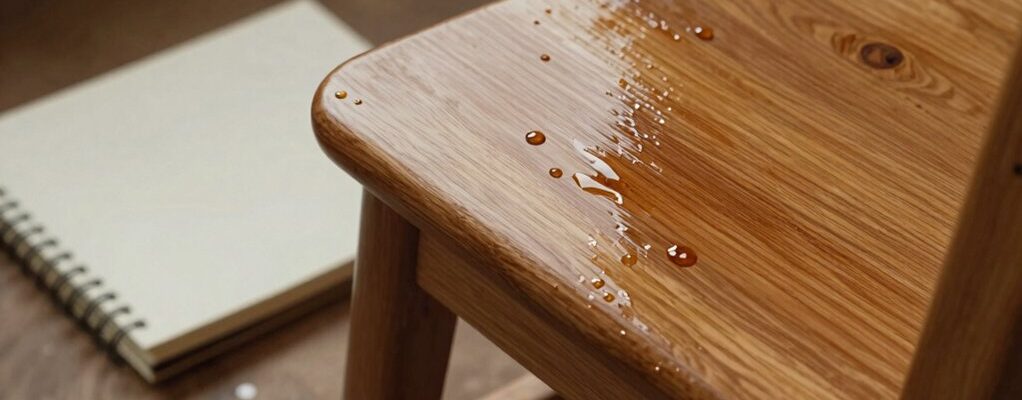
When deciding whether to paint or stain wooden furniture, first assess the wood’s condition and prep needs. If the grain should show and you want UV protection with easier maintenance, stain with a sealer. If you need uniform color, edge-to-edge coverage, or frequent color changes, paint is better. Consider indoor vs outdoor use, exposure to UV and moisture, and your durability goals. Proper prep, priming, and finishing are vital for longevity, and more guidance awaits beyond this.
Assessing the Wood’s Condition
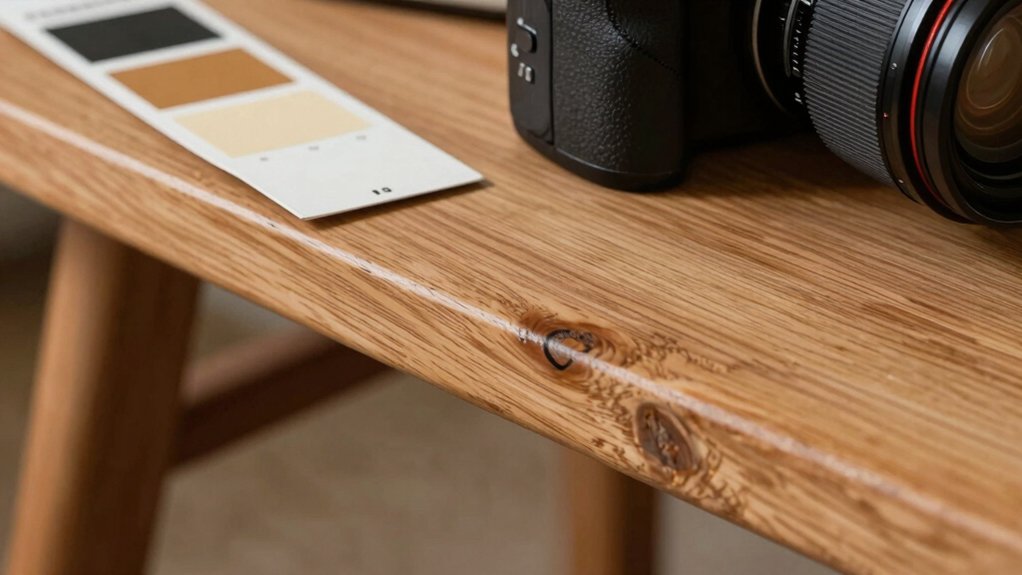
To assess the wood’s condition, start with a visual inspection for surface defects such as cracks, splits, warping, swelling, or delamination.
You’ll then evaluate moisture exposure, noting lift, tackiness, or finish clouding as indicators of interior moisture migration.
Assess grain lift and edge checks by applying light sideways pressure to corners, distinguishing planed surfaces from damaged zones.
Test hardness in small, inconspicuous spots to gauge consistency; a marked softness signals internal degradation or rot.
Record color changes, stain absorption, and finish compatibility, since uneven uptake hints at prior repairs or improper sealing.
Inspect joints and fasteners for looseness, corrosion, or adhesive failure, which affect stability and bonding.
Finally, align findings with prior maintenance records to decide if you should preserve, refinish, or replace.
Understanding Your Aesthetic Goals
You start by clarifying your Personal Style Goals, identifying whether you favor clean lines, warmth, or a rustic feel to guide your finish choice.
Consider the Desired Ambiance Impact, imagining how color, sheen, and texture influence the room’s mood and coherence with existing elements.
Finally, weigh Wood Grain Visibility to decide whether you want a subtle enhancement or a bold, grain-forward presentation that aligns with your overall aesthetic targets.
Personal Style Goals
Your personal style goals guide every finish choice, so clarifying them early guarantees the paint or stain aligns with both use and room mood. You’ll map how you interact with the piece, noting surface duration, exposure, and tactile expectations.
Define preferred sheens, color neutrality, or pigment depth, then translate these into material handling steps: assess wood species, grain pattern, and existing coatings; anticipate compatibility with primers and sealants; select UV resistance for sunlit locations.
Consider maintenance cadence, cleaning solvents, and repair potential, ensuring finish durability matches routine tasks. Align hardware, joinery visibility, and edges with the intended aesthetic—sleek, rustic, or mid-century—that informs prep density and coating thickness.
Document decisions for reproducibility, then verify by test-application on a sacrificial sample.
Desired Ambiance Impact
How you want a piece to feel shapes every finish choice. You define ambiance by surface interaction: color, sheen, and tactile cue. You consider room lighting, surrounding materials, and usage patterns to select poly, dye, or stain that reading as intended.
Aiming calm, you favor low-sheen lacquers or matte oils to reduce glare, preserving legibility of tool marks and grain. For bold, you push higher contrast finishes, choosing pigments and topcoats with clear depth that emphasize form without overpowering proportion.
You assess durability needs, moisture exposure, and heat cycles, aligning film build with expected wear. You balance color bias, warmth, and aging behavior, forecasting how UV exposure will shift tone.
Precision in preparation, coating sequence, and curing guarantees the desired ambiance endures.
Wood Grain Visibility
Grain visibility is the visual signal of a piece’s material truth, guiding whether the grain remains a dominant feature or recedes beneath the surface. You assess grain clarity by resin, veneer, or solid-wood detail, then align finish choice with your goals.
A high-contrast finish preserves pronounced pores, flecks, or annual rings, emphasizing texture and depth. A low-profile or opaque coating minimizes grain, yielding uniform color and a smooth, modern feel.
Consider light interaction: satin sheens reveal more texture under ambient light; glossy films mute it. Prepare the surface to control reflective behavior, repairing planing marks or fuzz prior to sealing.
Your target aesthetic—rustic, contemporary, or refined—drives whether you highlight or suppress grain through stain density, topcoat clarity, and color tuning.
Weighing Grain Preservation vs. Solid Color
Choosing between preserving the grain or applying a solid color hinges on how you want the wood’s character to read and how much shop time you’re willing to invest.
Grain preservation foregrounds texture, depth, and natural variation, demanding careful surface preparation, consistent gloss control, and selective sealing to minimize distortion. A clear or lightly tinted finish maintains rotational hardness while highlighting figure, yet it reveals repairs and tool marks more readily.
Solid color delivers uniformity, easier touch-ups, and shielded surface resistance, but masks figure and micro‑crystal structure. If you prioritize tactile realism and aging cues, lean toward grain-friendly systems with pore-fill and abrade-to-smooth steps.
If you require repeatable color, ease of maintenance, and controlled appearance, choose a pigmented coat with proper film compatibility and planned recoat windows.
Considering Indoor vs. Outdoor Use

You’ll want to match coatings to where the furniture lives, since indoor and outdoor environments impose different demands. Consider exposure factors like moisture, UV, temperature swings, and humidity.
Then, align material choices and finishes for durability in that context. Know that indoor use prioritizes smooth, low-odor finishes, while outdoor use requires UV-stable, weather-resistant protection and robust adhesion.
Indoor vs. Outdoor Needs
Indoor and outdoor environments impose different demands on wood finishes, so start by identifying where the piece will spend most of its life and how exposure will affect moisture, temperature swings, UV, and contaminants. This assessment helps determine whether paint, stain, or sealants provide the needed durability.
Your choice hinges on the intended environment, substrate, and anticipated wear. For indoor use, prioritize color retention and tactile feel with low VOCs. Also, monitor for disinfectants and cleaning agents that can dull gloss.
For outdoor or high-traffic exposure, select finishes with robust UV resistance, water repellency, and mold resistance. Plan for recoat intervals to maintain protection over time.
Surface preparation remains critical: clean, abrade, and degrease to ensure adhesion. Consider film-build, elasticity, and failure modes—checking for peeling, blistering, or darkening.
Alignment between environment and finish yields longevity, clarity, and maintenance predictability.
Environmental Exposure Factors
Exposure factors hinge on where the piece spends most of its life and how moisture, temperature swings, UV, and contaminants interact with the finish. You assess indoor versus outdoor exposure by examining humidity cycles, condensate risk, and soil or airborne pollutants.
Indoor environments usually reduce UV dose and direct moisture, but cleaning agents and routine abrasion still influence wear patterns.
Outdoor or semi-exposed settings introduce sun fatigue, rain exposure, and ground moisture, accelerating pigment fade, barrier cracking, and plank movement.
Choose finishes with appropriate seal thickness, crosslinked resins, and UV inhibitors to align with expected cycles.
Consider ventilation during drying, substrate stability, and prior glazing compatibility.
Match film hardness to expected impact, ensuring maintenance intervals reflect contamination risk and re-coating feasibility.
Durability Considerations
Durability considerations hinge on how you’ll use the piece: indoor environments demand different film performance and maintenance windows than outdoor or semi-exposed setups. You’ll weigh substrate compatibility, adhesion margins, and coating hardness against environmental stressors like UV, moisture, and temperature cycles.
For indoor use, prioritize film cohesion, stain resilience, and finish clarity that tolerates cleaning agents without embrittlement. Outdoor or semi-exposed conditions require UV-stable binders, enhanced moisture barriers, and abrasion resistance to endure humidity swings and precipitation ingress.
Surface preparation must maximize barrier formation: proper sanding, dust control, and priming that matches your chosen topcoat. Application thickness, cure schedule, and recoat window determine long-term film integrity.
Finally, plan maintenance intervals to inspect wear, touch-ups, and refinishing opportunities maintaining gloss, color fidelity, and edge protection.
Evaluating Exposure to Sunlight and Moisture
Sunlight and moisture are the primary drivers of wood finish performance, so assess each piece by noting its exposure history and current environment. You’ll evaluate UV exposure, seasonality, and source moisture; document hours of sunlight per day, glare, and shading.
Consider moisture cycles: ambient humidity ranges, recent spills, leaks, and ventilation. Assess substrate condition before coating decisions: polymer swelling, checking, or previous finish delamination indicate compatibility constraints. Observe grain movement, surface cleanliness, and preexisting stains that signal prior degradation vectors.
Quantify environmental risk: indoor versus outdoor placement, proximity to heat sources, and airflow. Use this data to predict finish retention, color shift, and edge wear.
Integrate findings into a maintenance plan emphasizing surface preparation, recoat intervals, and material-specific performance expectations.
Matching Finish Types to Durability Needs
When choosing a finish, let your exposure assessment guide the selection of durability and behavior under use. You’ll match film hardness, chemical resistance, and elasticity to expected wear patterns, moisture cycles, and UV exposure.
For indoor furniture with light use, a hard-wearing yet low-odor wipeable finish supports frequent cleaning without ambering. In higher-traffic environments, prioritize abrasion resistance and edge wear protection, selecting finishes with robust film integrity and maintenance tolerance.
For exterior or humidity-prone settings, opt for UV-stable, moisture-impervious systems, factoring color retention and swelling resistance. Consider color-fast pigments and resin chemistry to balance appearance with durability.
Calibrate application thickness, cure time, and recoating windows to maintain protective performance. Align your finish choice with actual use case, not just aesthetics or initial sheen.
Prep and Maintenance Requirements
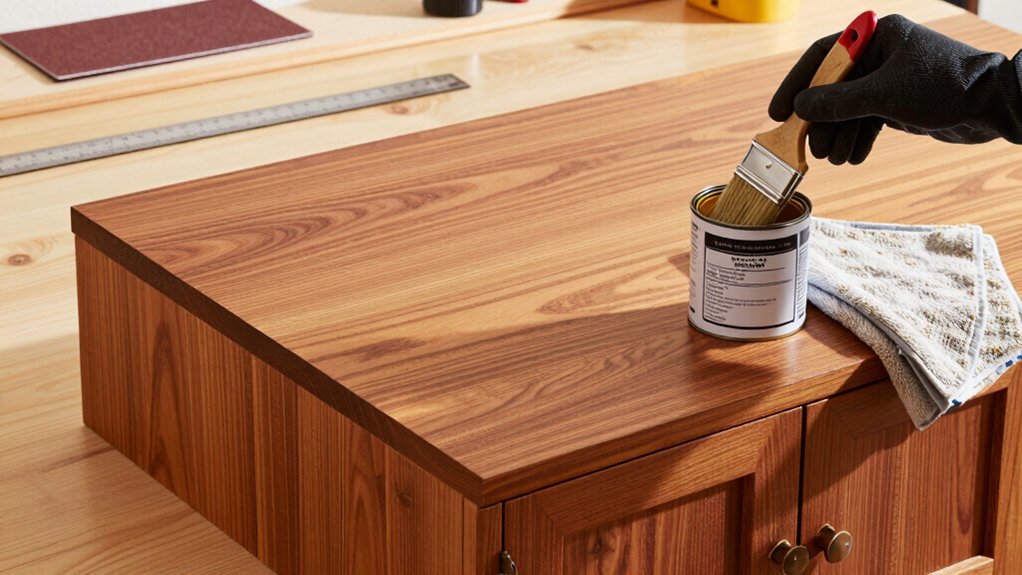
Prep and maintenance set the baseline for lasting results: before any finish is applied, guarantee the substrate is solid, clean, and properly prepared. Ongoing care preserves film integrity and color stability.
You must inspect substrate integrity, identify defects, and address corresponding moisture, substrate, or grain issues before coating. Use compatible primers for underlying material and select a system matched to expected service. Then apply within recommended temperature and humidity ranges to avoid cure irregularities.
Surface preparation matters: sand to a uniform profile, remove dust, and correct open grain with a compatible pore filler if needed. Maintain protective films by controlling exposure to UV, liquids, and abrasion; recoat at stated intervals to preserve adhesion and color retention.
Document maintenance cycles and follow manufacturer guidelines for cleaning solvents and compatible cleaners.
Budget and Time Investment
Estimating the budget and time investment begins with the costs and durations tied to substrate prep and maintenance. You quantify material needs: primers, topcoats, abrasives, cleaners, sealants, and brushes, then translate them into unit prices and total purchases.
Timewise, you map prep steps to minutes per surface area, then allocate drying, curing, and recoat windows to overall project duration. Expect higher labor if repairs or moisture remediation are required, with increased finish costs for grain-filled surfaces or complex profiles.
Material efficiency matters: choose compatible systems to minimize wasted coats and elimination of redundant steps. Factor maintenance intervals into lifecycle costs, including recoats and refinishing cycles.
You compare paint versus stain for coverage efficiency, VOC implications, and long-term durability, ensuring budget aligns with desired finish performance and schedule.
Practical Guidelines for Choosing Between Paint and Stain
Choosing between paint and stain depends on the substrate, desired coverage, and long‑term durability, with each option presenting tradeoffs in appearance, protection, and maintenance. You’ll assess wood grain visibility, porosity, and substrate hardness to decide the baseline.
For paint, expect uniform color, layered film strength, and easier color changes, but anticipate long drying times and more frequent refinishing for chip repair.
Stain preserves natural grain, enhances UV resistance with surface sealers, and typically requires lighter maintenance, yet offers less opacity and surface leveling.
Consider substrate correction needs—smoothing, filler, or conditioning—before coating.
Application approach matters: consistent brushing or spraying thickness, proper drying intervals, and compatible sealers.
Finish goals, environmental exposure, and compatibility with furniture joints determine the final choice, coating sequence, and maintenance schedule.
Frequently Asked Questions
How Long Will Painted Furniture Last Before Recoat?
A painted finish typically lasts 5–10 years before a recoat, depending on wear, environment, and prep. You’ll extend longevity by thorough cleaning, light scuffing, compatible primers, durable topcoats, and UV protection when exposed to sun and moisture.
Can Stain Enhance Wood Grain on Damaged Surfaces?
Yes, stain can enhance wood grain on damaged surfaces, revealing depth; however, it won’t fix deep gouges. About 60% of finishes fail due to improper prep, so you must sand, clean, and test compatibility before applying stain.
Is Faux Finish Considered a Viable Option for Durability?
Faux finish can be durable if properly applied, sealed, and maintained. You’ll want reinforced topcoats and compatible primers, plus UV protection and ambient humidity control. Follow manufacturer specs, test on scraps, and schedule periodic reapplication for longevity.
Will Paint Hide Imperfections or Require Filling?
Yes, paint will hide minor imperfections if you fill deep gouges first; otherwise, you’ll still see flaws. Use a stain-blocking primer, sand between coats, and finish with a durable topcoat for a smooth, uniform appearance.
How Does VOC Content Affect Indoor Air Quality?
VOC content directly affects indoor air quality; lower is better, reducing volatile emissions and odors. You’ll notice quicker odor dissipation and fewer headaches. With high-VOC products, ventilation and containment matter, because lingering fumes can compromise comfort, health, and finish longevity.
Conclusion
When you decide between paint and stain, you’re choosing a finish that defines both protection and personality. You’ll assess condition, goals, and exposure, then match durability to use, with prep and maintenance in mind. Think of the finish as a skin you’re applying to armor: stain lets grain breathe and age gracefully, paint seals with uniform color. You’ll balance grain preservation, color, and schedule, finishing with a precise, repeatable routine to keep wood performing.