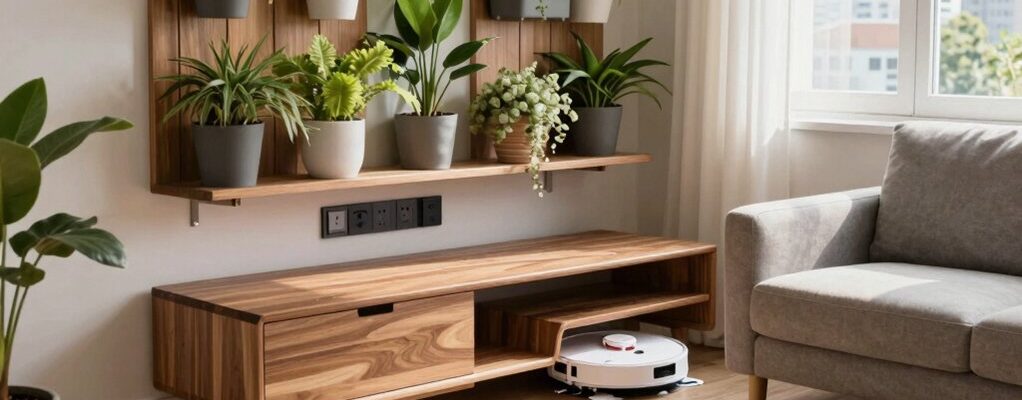
Smarter living in small spaces starts with vertical, keep-surface-free design. Maximize height with shelves, hooks, pegboards, and slim stacking bins. Choose multi-use furniture—ottomans, beds with drawers, fold-away desks—and use modular pieces that flex with your needs. Light walls, mirrors, and glass furniture visually expand rooms, while rugs define zones without walls. Smart tech and energy upgrades cut costs, and routine quick resets keep clutter at bay. Curious how to turn this into daily flow? There’s more below.
Maximizing Vertical Space With Clever Storage
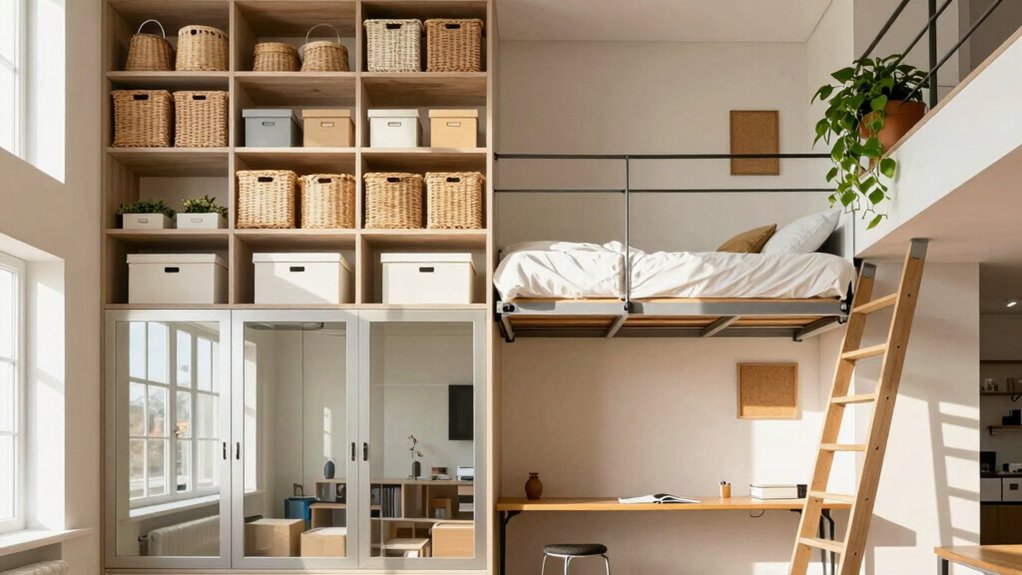
Maximizing vertical space starts with a plan you can actually use. You map out what you own, what you need, and what only sits unused. Start by installing shelves at various heights to create immediate storage without crowding floor space.
Use wall-mounted hooks, pegboards, and magnetic strips for everyday items—kept within reach, but out of sight when you close the door. Choose slim, stacking storage bins that fit above closets or behind doors, not just under beds.
Rotate items seasonally so rarely used stuff stays out of the mix. Build as you go: measure, install, reassess. Label containers, adjust shelf heights, and optimize every inch.
You’ll gain room, reduce clutter, and your daily routines will feel smoother and more intentional.
Multi-Functional Furniture That Saves Square Footage
When space is tight, choose furniture that serves more than one purpose. Opt for pieces with built‑in storage, like ottomans that hide blankets or coffee tables with drawers. Choose a sofa bed for guests, or a daybed with drawers beneath for linens.
Use wall‑mounted desks that fold away after use, freeing floor space. Pick dining tables that collapse or extend, so you don’t keep extra leaves in the way. Choose bed frames with under‑bed storage or modular wardrobes that can reconfigure as your needs change.
Prioritize multi‑function units with slim profiles to avoid crowding. Pair these with sturdy, quality hardware to withstand daily use. Measure gaps before buying; ensure doors or lids won’t collide with other furniture.
Integrate with your room’s flow for practical efficiency.
Light and Color Tricks to Make Tiny Rooms Feel Bigger
Light and color can dramatically alter how big a room feels. Use light walls and reflectors to bounce daylight across surfaces. Choose a single light hue for ceilings, walls, and trims to create seamless vertical lines that widen the space. Opt for matte or satin finishes and avoid heavy textures that trap visual depth.
Mirrors placed opposite windows double brightness without crowding the floor, while glass or acrylic furniture keeps sightlines open. Prioritize cool whites and pale neutrals to enhance airiness; warm accents should be limited to small, intentional pops. Use bold artwork sparingly, mounted high to draw the eye upward.
Keep window treatments minimal or absent, letting natural light flood in and extend perception of size.
Smart Zoning for Open-Plan Layouts
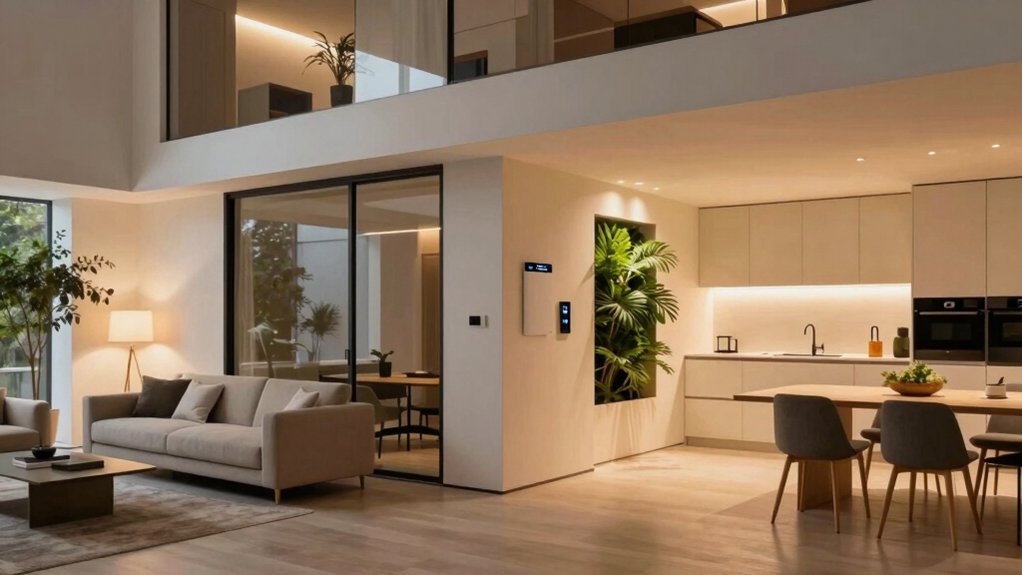
Think about zoning your open-plan space with rugs to define different areas without walls. Use contrasting rug sizes or textures to create subtle boundaries that guide flow and functionality.
Keep boundaries flexible and easy to adjust as your needs change.
Zone With Rugs
To zone an open-plan space, place rugs strategically to define distinct areas without walls. Choose two to three rugs in complementary sizes and textures to anchor living, dining, and work zones.
Align rug edges with furniture footprints to create natural boundaries you can see and feel. Use color or pattern to cue function—groovy for lounge, solid for dining, low-pile for high-traffic paths.
Keep sizes proportional: a rug should fit under front legs of major furniture or extend beyond seating to invite conversation.
In small spaces, opt for low-contrast palettes to avoid visual clutter. Layer a lightweight runner between zones to reinforce flow without breaking sightlines.
Maintain clean edges, vacuum regularly, and replace worn rugs to preserve crisp zoning.
Hidden Room Boundaries
Hidden room boundaries aren’t walls; they’re smart cues that define zones without closing the space. You can create clear functions in an open plan by using subtle dividers that don’t dominate. Try low shelves, bookcases, or console units placed to guide movement and signal intent—without blocking sightlines.
Area rugs anchor specific zones, while furniture arrangement directs flow and conversations. Consider ceiling or lighting cues: pendant clusters above a dining area, dimmed lamps in a lounge, or a brighter work nook. Color and texture shifts on walls or cabinetry can reinforce functions without partitioning.
Finally, add portable screens or foldable panels for flexible boundaries during gatherings, homeschooling, or work sessions. Maintain cohesion with consistent materials and finish choices throughout your layout.
Energy Efficiency and Tech to Up Your Small-Space Game
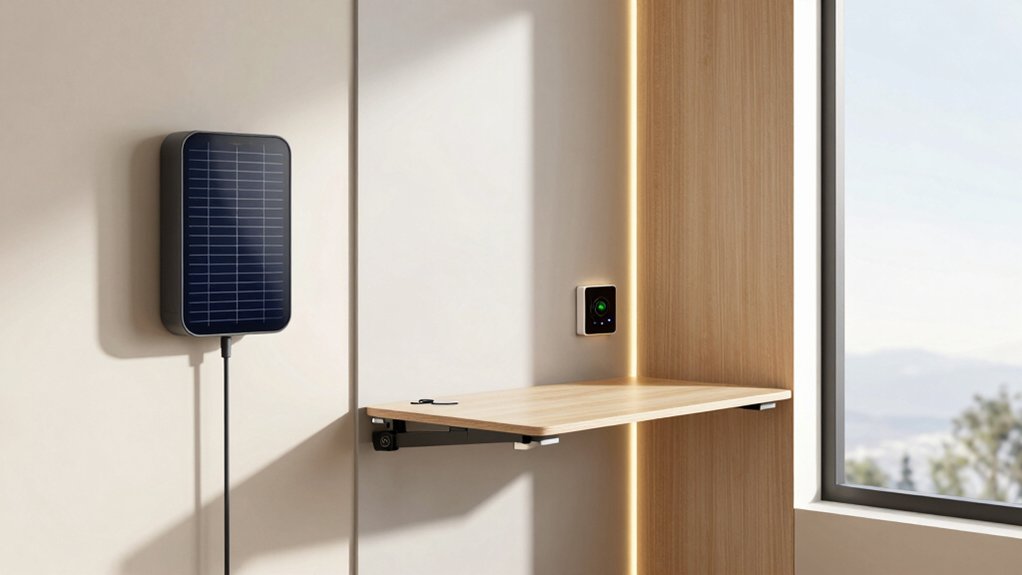
Here’s how to start boosting efficiency in your small space: start with efficient lighting upgrades to cut bill costs and improve mood. Then pick compact climate control that fits tight spots without sacrificing comfort.
Pair those with smart power management to automate and reduce standby waste throughout the day. These three tactics keep your space bright, comfortable, and energy-smart with minimal footprint.
Efficient Lighting Upgrades
If you want brighter, more efficient lighting in a small space, start with a smart plan that prioritizes versatility and control. Map zones so you can light only what’s needed, using dimmers and smart bulbs to adjust mood and energy use.
Swap out incandescent or old LEDs for high‑CRI, 3000–4000K fixtures that render true colors without washing out walls. Favor thin, under‑cabinet strips and puck lights for task areas, plus a compact ceiling or wall fixture to avoid clutter.
Pick programmable or voice‑controlled options to automate routines, like bright mornings and soft evenings. Use daylight sensing in shared spaces to reduce waste.
Invest in quality fixtures with good diffusion to prevent glare and shadows. Prioritize energy reviews and easily replaceable components for long‑term gains.
Compact Climate Control
Compact climate control builds on smart lighting by tackling comfort and efficiency together. You’ll pair tight seals with programmable temp zones to reduce wasted energy. Start with a smart thermostat that learns your routine and stays quiet in the background.
Use zoning: keep living areas comfortable while bedrooms drift cooler. Choose compact, energy-star cooling and heating units or mini-splits for targeted cooling without oversized capacity.
Seal air leaks around doors, windows, and ducts to prevent temperature drift. Use a fan to circulate air instead of cranking the HVAC, and set ceiling fans to push air downward in warm months and upward when cooling.
Regular maintenance—filters, coils, and condensate drains—keeps performance high and bills low.
Smart Power Management
Smart Power Management: you can cut waste and battery drain by treating energy like a budget you control every day. Start with a smart plug routine: schedule devices to power down after use, not when you forget. Unplug chargers, too—they drain idle energy. Replace old bulbs with LEDs, and enable motion or daylight sensors to trim lighting automatically.
For devices, enable power-saving modes and dim displays where possible. Use a single power strip for easy off-and-on control across cluttered desks or nightstands. When charging, aim for partial charges on lithium cells and avoid overnight top-offs.
Monitor energy with a simple meter or app; review monthly usage and set realistic goals. Prioritize essential devices, and resist gadget hunger—smarter choices save both space and money.
Hidden Storage Solutions for Clutter-Free Living
Hidden storage can transform a small space into a calm, clutter-free zone. You’ll hide excess items in plain sight by using multifunctional furniture: ottomans with secret compartments, beds with drawers, and coffee tables that lift for extra shelf space.
Optimize vertical real estate with tall, slim wardrobes and wall-mounted racks. Use under‑stair drawers, toe-kick storage, and hollow interior seats to stash seasonal gear.
Create zones with floating shelves that keep surfaces clear while displaying only essentials. Choose uniform containers and label them, so you can return items quickly.
Implement door organizers on entryways and inside closets to capture daily odds and ends. Finally, rotate items seasonally, keeping what you actually use and love within reach.
Small Kitchen and Bath Hacks for Maximum Utility
Maximize every inch of your kitchen and bath with practical, time-saving hacks. You’ll optimize vertical space by installing magnetic strips for metals, hooks for utensils, and slim shelves above doors. Use clear, stackable containers in the pantry and transparent bins under sinks to reduce rummaging time.
In the bath, mount a medicine cabinet with a shallow depth and add a second towel bar to free counter space. Choose pull-out organizers for the vanity and drawer dividers to separate cosmetics, tools, and toiletries.
When cooking, assign a dedicated prep area with a small, collapsible cutting board that tucks away. Label cords and plugs, and incorporate multi-purpose products to minimize clutter.
Finally, schedule weekly 10-minute resets to keep configurations efficient.
Budget-Friendly Makeovers That Deliver Big Impact
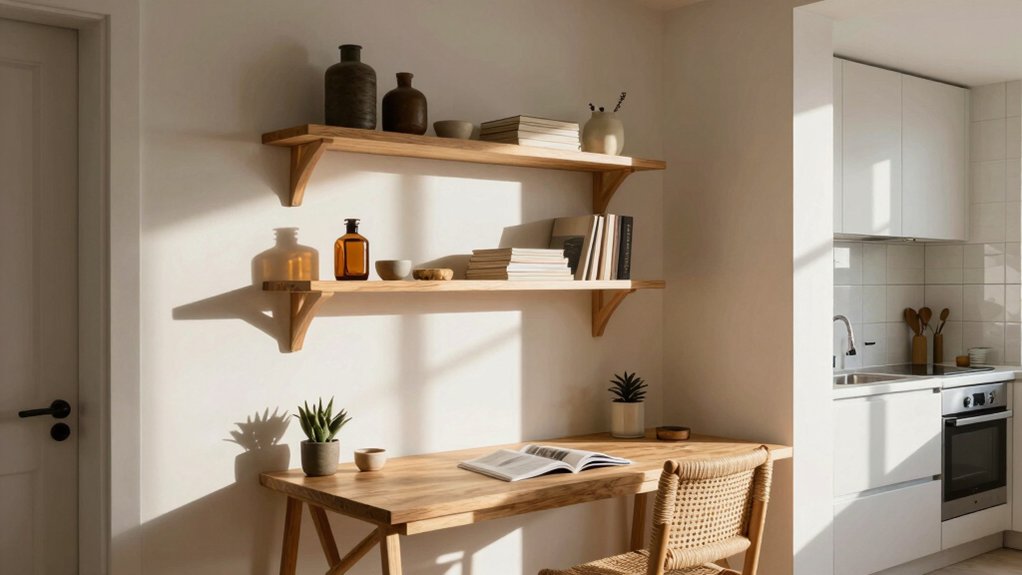
If you’re aiming for a big transformation without breaking the bank, start with a few targeted, high-impact updates. Focus on lighting, paint, and organization first—these deliver the most noticeable changes without major overhaul.
Choose a neutral base and add character with a bold accent color in small doses. Use removable wallpaper or contact paper on a single wall or cabinet fronts to refresh surfaces without refinishing.
Update hardware, switches, and fixtures for instant polish; these swaps are inexpensive and quick.
Maximize storage with vertical shelving, slim baskets, and under-sink organizers to reduce clutter.
Add mirrors to open up cramped spaces and reflect light.
Reassess textiles; replace inexpensive curtains and cushions for a cohesive feel.
Plan, price, execute, then reassess impact before expanding.
Frequently Asked Questions
How Can I Live With Less Clutter Without Feeling Deprived?
Yes—focus on reducing, not denying. Declutter weekly, sections visible, items you actually use stay; others go. Use 1-in, 2-out rule, mix storage zones, and digitize where possible to preserve experiences, not stuff.
What Are the Best Plants for Tiny, Low-Maintenance Homes?
You’ll love pothos, snake plants, and spider plants for tiny, low-maintenance homes; they thrive in low light and ignore irregular watering. Did you know pothos grows faster when stressed by neglect, proving resilience in compact spaces for you?
Can Pets Fit Comfortably in Ultra-Small Living Spaces?
Yes, pets can fit comfortably if you prioritize space-smart routines, safe zones, verticals, and compact gear; plan daily with litter, feeding, and play areas, keep cords hidden, and choose pet-friendly, durable furniture to maximize flow.
How Can I Create Sound Privacy in Open-Plan Studios?
You can create sound privacy by layering with heavy curtains, movable screens, and soft furnishings; use rugs, textiles, and white noise; place work zones away from living areas; consider acoustic panels or plants for subtle sound dampening.
What Decluttering Habit Brings Long-Term Space Gains?
Declutter habit: do a weekly 10-minute sweep, removing one junk category each time. You’ll build momentum, cut future mess, and reclaim space. Keep a commitment box for items to donate or recycle; review it monthly for gains.
Conclusion
You can’t fit another couch, yet you somehow fit a whole apartment’s worth of genius into a shoebox. Vertical shelves reach the sky, while multifunctional furniture doubles as secret agents for space. Light, color, and smart zoning fool the eye like magic, and energy tech trims bills to a whisper. Hidden compartments vanish clutter, and tiny kitchens become command centers. Follow these tricks, and your small space doesn’t just fit—it thrives, impresses, and outsmarts size every single day.